Something is quietly happening on the shelves of every grocery store in America. The chip bags look a little different. The ingredient lists are getting shorter. The flavors are getting bolder, stranger, and honestly more interesting than ever before. The snack aisle, that reliable stretch of crinkly packaging and guilty pleasure, is in the middle of a full-scale transformation.
This is not just about swapping out high-fructose corn syrup for something that sounds more natural. It is about the entire identity of the American snack being reimagined from the inside out. Driven by shifting health priorities, economic pressures, a new generation of eaters, and a planet that increasingly demands more responsible choices, the snack industry is evolving at a pace that would have seemed unimaginable just a decade ago. Here is what is actually going on.
A Market Worth Billions Is Still Hungry for More
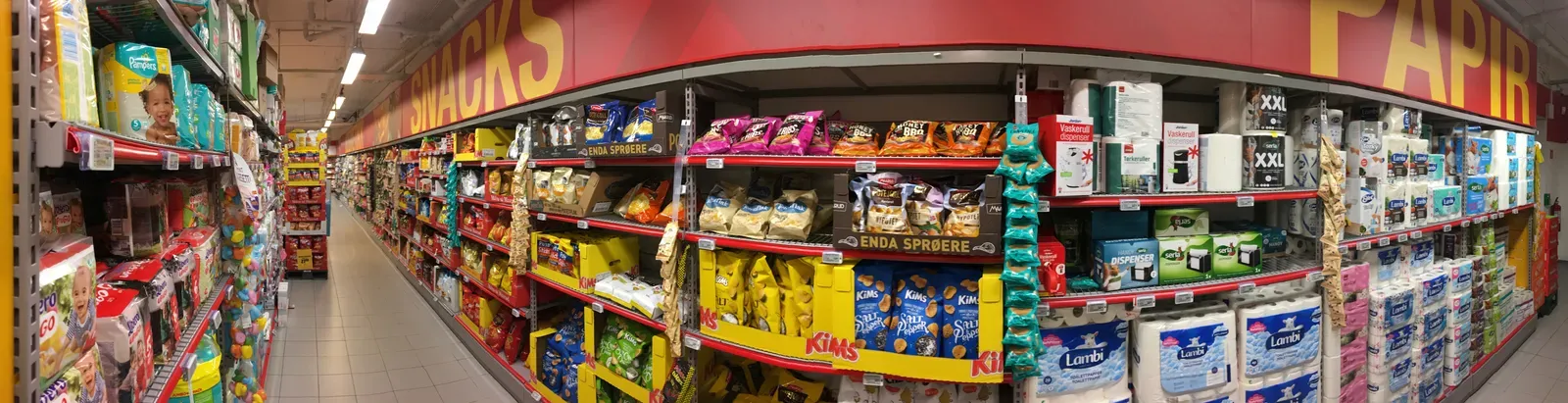
Let’s start with the numbers, because they are genuinely staggering. The U.S. snacks market size was estimated at roughly $172.5 billion in 2024 and is anticipated to exceed $193.5 billion by 2030. That is an enormous industry, and it is still growing. Think about it this way: Americans are not just snacking more, they are snacking differently.
According to the IFIC Food and Health 2023 report, around 49% of Americans snack at least twice a day, with nearly 27% of consumers snacking due to busy life schedules, and 73% considering convenience important. That busyness is one of the biggest engines driving the whole industry forward. A survey encompassing over 2,000 American adults in April 2023 revealed a significant trend of people substituting an average of four meals per week with snacks.
Consumers Are Reading the Label Like Never Before
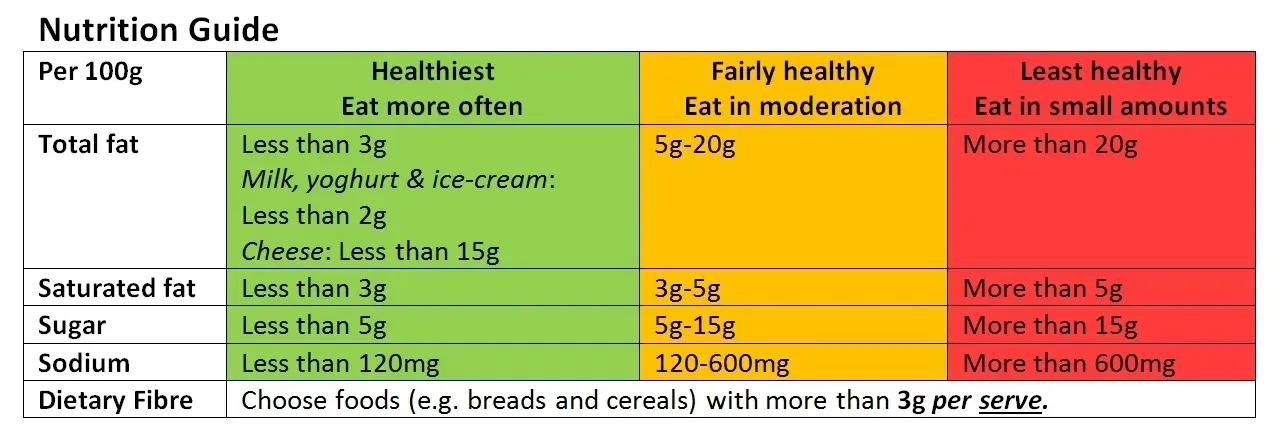
Honestly, something shifted. Americans began scrutinizing what goes into their snacks in a way that would have seemed almost obsessive to previous generations. According to the International Food Information Council (IFIC) Food and Health Survey 2024, 66% of Americans are trying to reduce their sugar intake, highlighting a growing awareness of ingredients. That is not a small, niche group of wellness enthusiasts. That is roughly two-thirds of the country.
The emphasis on clean labels and transparency is driving the healthy snacking trend, with consumers increasingly scrutinizing ingredient lists and favoring products that are free from artificial additives, preservatives, and excessive sugar. Brands that cannot meet that standard are being quietly left behind on the shelf. Clean-label snacks are growing quickly, with an expected growth rate nearly double that of conventional snacks, driven by consumers wanting transparency, simple ingredients, and products without artificial additives or preservatives.
Protein Is Now the Most Powerful Word on Any Snack Package
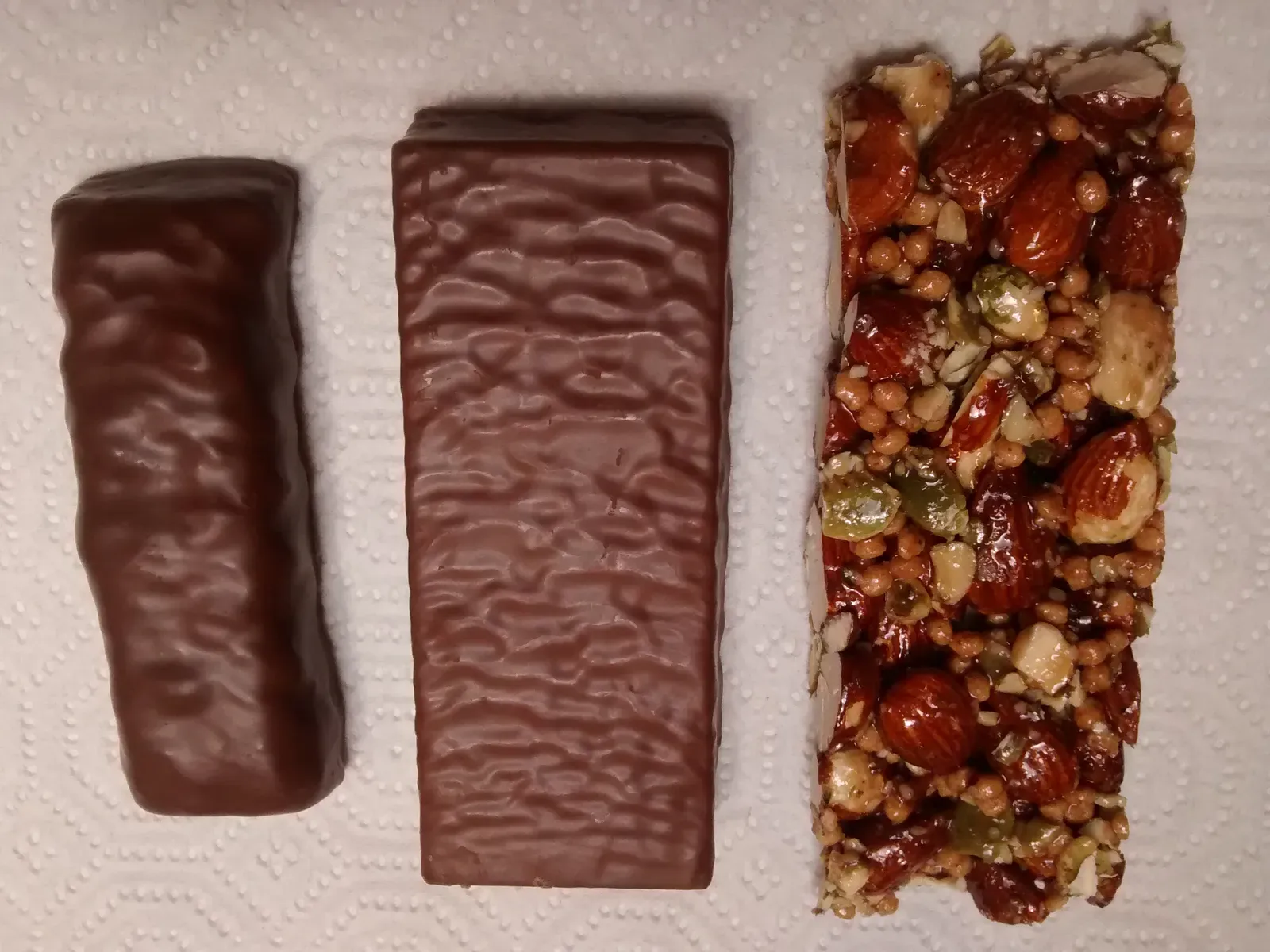
If there is one word that has reshaped the snack aisle more than any other in recent years, it is protein. According to SNAC International’s 2024 State of the Industry Report, 55% of consumers point to protein as the most important health claim. That is a commanding majority, and brands have responded accordingly. Protein bars, protein chips, protein popcorn, even protein cheese bites. It has become a genuine category unto itself.
The high protein claim is expected to grow at a significant CAGR of 8.3% from 2025 to 2033. Beyond performance and diet trends, high-protein products are increasingly marketed for weight management, as they promote fullness and reduce cravings, driving adoption among a broader audience interested in healthy snacking as part of a balanced lifestyle. The protein bars segment is projected to grow at the fastest rate in the U.S. snack bar market, at a CAGR of 7.1% during the forecast period. The fitness and wellness wave is clearly still very much in full swing.
Plant-Based Snacking Has Gone Mainstream
A few years ago, plant-based snacks occupied a small, slightly apologetic corner of the health food aisle. That corner has expanded enormously. With Generation Z leading the change, consumers are putting plant-based foods, sustainable packaging, environmental concerns, and authentic tastes at the forefront of their choices. This is not a passing trend. It reflects a genuine and lasting shift in dietary values across a huge swath of the American public.
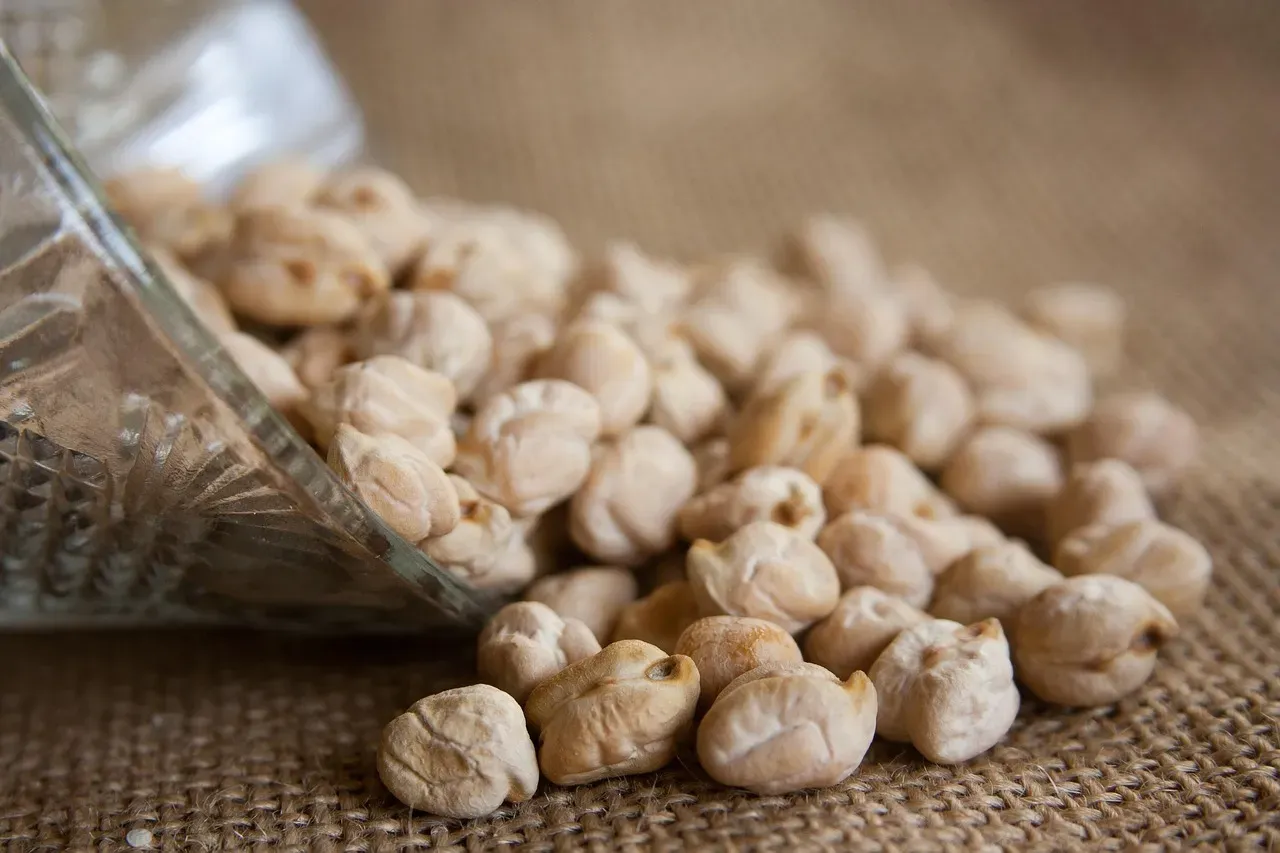
Legumes such as chickpeas and lentils are excellent sources of plant-based protein, contributing to their increased utilization in snack products. Think lentil crisps, chickpea puffs, edamame crackers. The increasing prevalence of dietary trends such as plant-based diets, veganism, and paleo diets also influences the market, with fruits, nuts, and seeds aligning well with these dietary preferences and contributing to sustained growth, further enhanced by the perception of these snacks as wholesome, natural, and sustainable among environmentally conscious consumers.
Functional Snacks Promise More Than Just a Bite
Here is the thing: the most interesting frontier in snacking right now is not about what products take out. It is about what they put in. The demand for transparency has led to the rise of snacks fortified with functional ingredients, such as probiotics for gut health, antioxidants for immune support, and adaptogens for stress relief. Your afternoon chip break might one day also be your afternoon wellness ritual. I know it sounds a little far-fetched, but the market data does not lie.
The functional snacks market globally experienced substantial growth from 2020 through to 2024 after consumers started preferring food choices that merge health benefits with convenience. The trend became popular because of health-promoting properties, incorporating protein and probiotics, or vitamins and minerals, or adaptogens, due to peak interest in wellness after the pandemic. The global functional snacks market was valued at $112.4 billion in 2024. That is a market no major food company can afford to ignore.
Inflation and Shrinkflation Sparked a Consumer Revolt
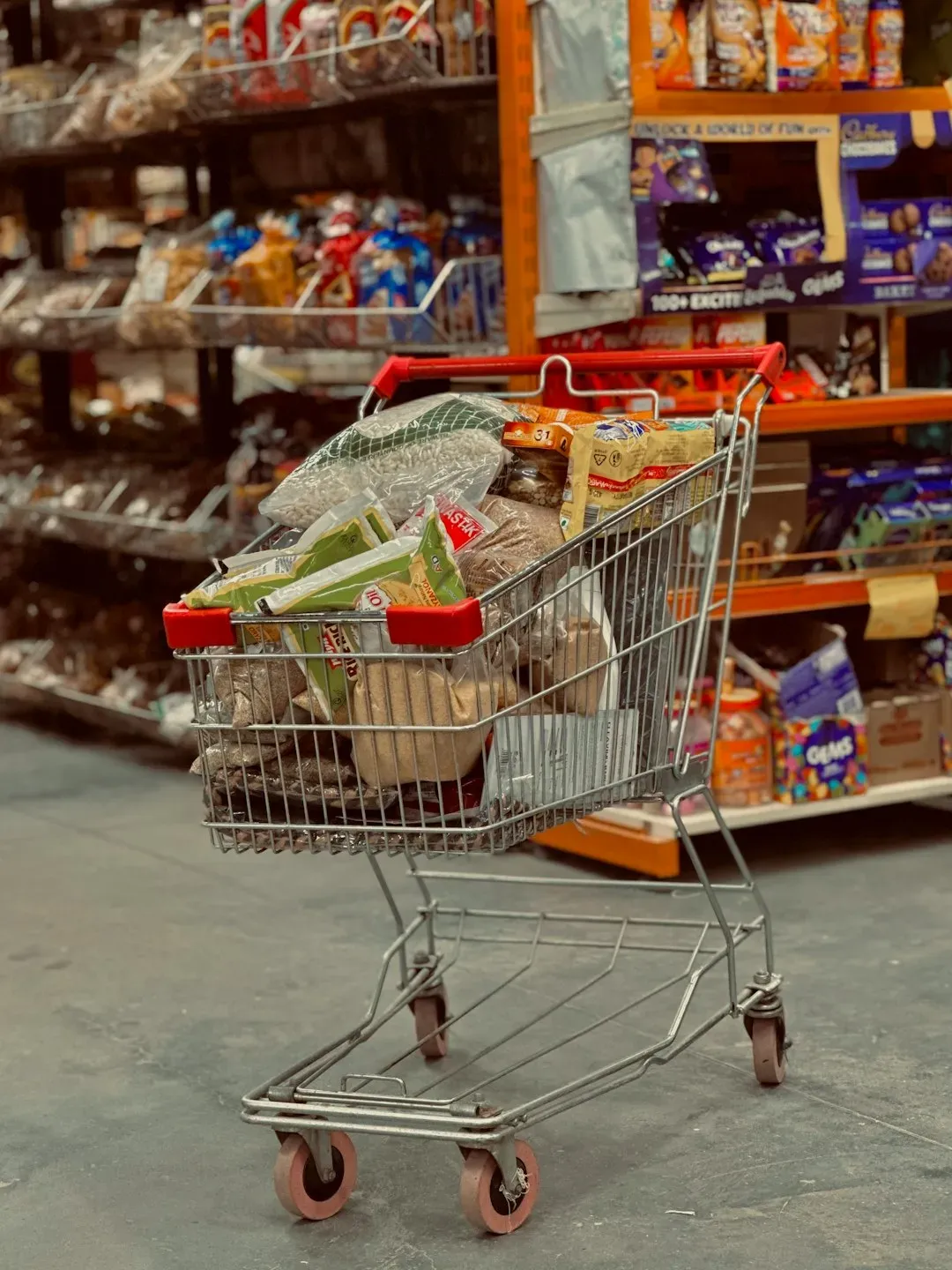
Not everything about this makeover is altruistic or driven by health ideals. Some of it is downright economic drama. Since 2020, the price per ounce of salty snacks has risen by 36%, outpacing the overall 21% increase in grocery store prices. Consumers noticed. They got angry. As inflation drove up the cost of groceries, shoppers began scrutinizing their purchases more closely, opting for cheaper alternatives or foregoing pricier brands like Tostitos altogether.
PepsiCo reversed its shrinkflation strategy on select bags of Tostitos and Ruffles to win back frustrated customers. PepsiCo confirmed that Tostitos and Ruffles “bonus” bags would contain 20% more chips for the same price as standard bags in select locations. Meanwhile, Circana data revealed that sales of private brands increased by 6% in 2023, a sign that shoppers were actively switching away from name brands when the value proposition no longer made sense. This backlash forced companies to rethink their strategies fast.
Sustainability Is Reshaping What Snacks Are Made Of and Wrapped In
It is not just the food itself being redesigned. The packaging is changing too, and in some cases, the ingredients themselves are being reconsidered from a climate perspective. Along with sustainable products comes sustainable packaging, with young consumers wanting to purchase from brands sharing their vision, seeking out snacks and other products that make climate a priority by reading labels and packaging to find nutritious ingredients that boost their health and the earth’s.
Sustainability and sourcing are gaining attention, with demand for organic, non-GMO, and ethically sourced products increasing, and packaging innovations that preserve freshness while reducing environmental impact becoming standard. Extended-producer-responsibility rules are accelerating the shift toward recycle-ready films and higher recycled-content formats. In short, brands can no longer treat the wrapper as an afterthought. It is now part of the product’s identity.
Portion Control Becomes a Selling Point, Not a Sacrifice
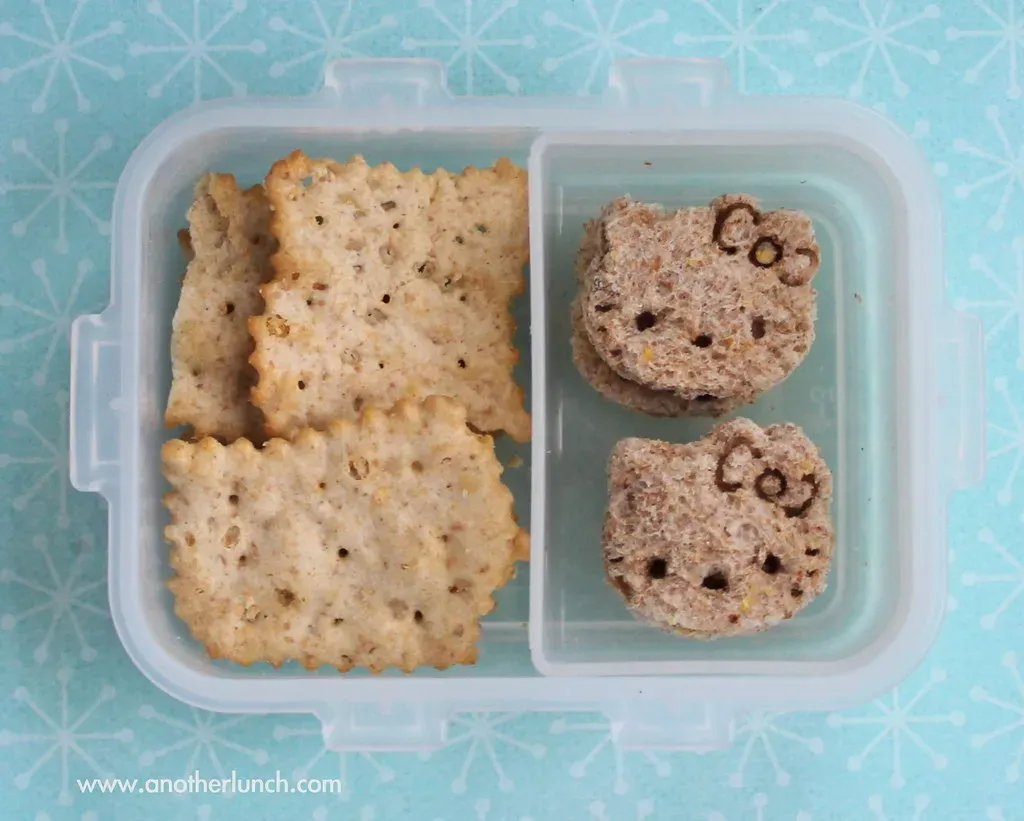
New snack innovations are catering more to portion control, with more snacks offered in miniature sizes and compact formats like balls and bites. This change appeals to shifting consumer preference for more purposeful snacking, as there is a growing tendency for consumers to enjoy indulgent snacks in small amounts rather than snacks designed for low-fat or low-calorie diets. Think of it like the difference between a tasting menu and an all-you-can-eat buffet. Smaller, more intentional, more considered.
Portion size innovation is another niche in the snack market, with snacks offering smaller, controlled portions attracting health-conscious consumers. Mondelèz research shows most Gen Z and Millennials believe small treats help control their diet. About 75% of consumers check the product information before buying, mostly to know portion size and packaging details. Brands that present this information clearly and honestly are winning more loyalty than those that bury it in fine print.
Gen Z Is Rewriting the Flavor Rulebook
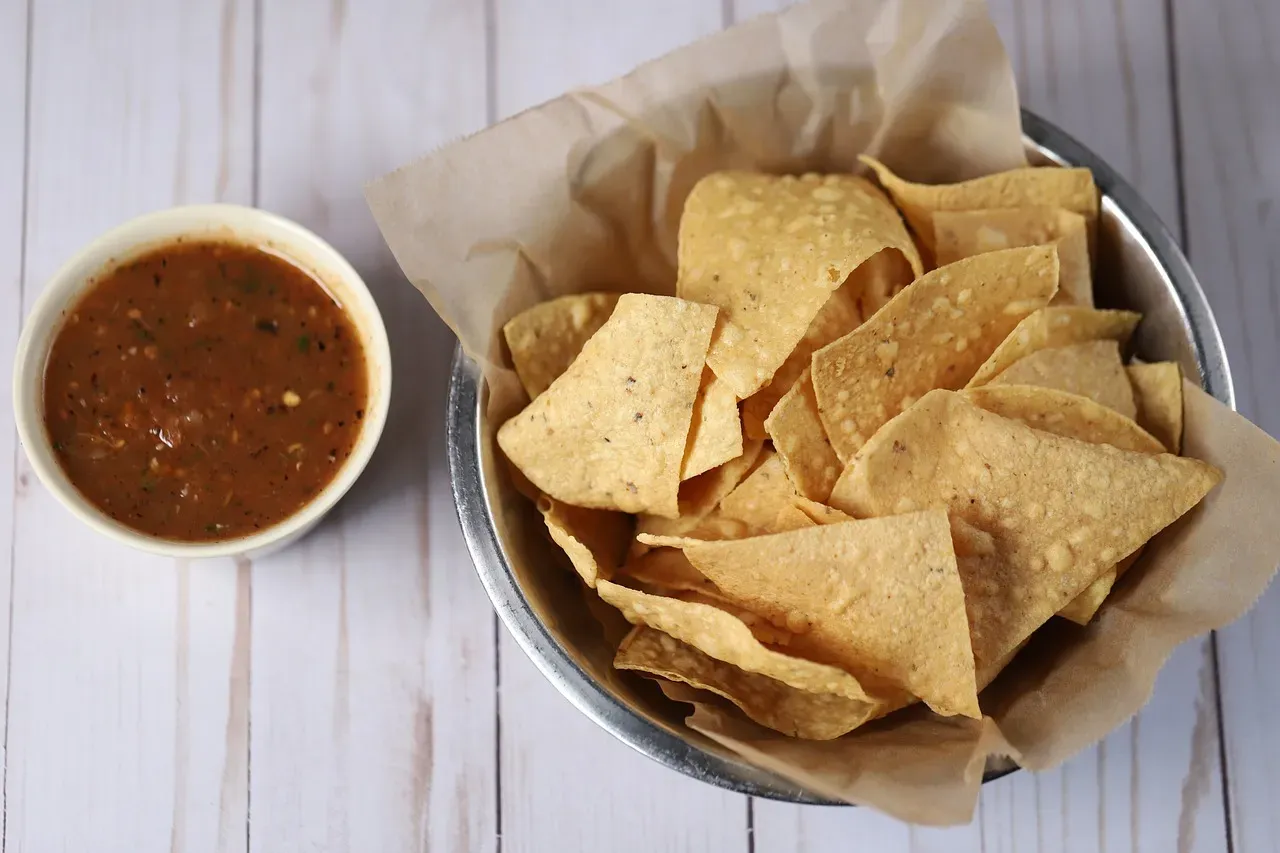
If you have ever spotted a snack flavor and thought, “who on earth asked for that?”, the answer is probably a 22-year-old. A 2023 report found that six in ten Gen Z consumers prefer frequent mini treats over large meals, with most snacking at least once or twice a day. Still, it is not just how often they snack that is disruptive. It is what they want to taste. Bold flavors like yuzu, black garlic, and miso caramel reflect a love for global cuisines, a far cry from the classic sour cream and onion era.
With greater exposure to global cuisines, Gen Z enjoys snacking on products inspired by international flavors, with spicy snacks, seaweed crisps, and mochi ice cream among the global favorites that this generation embraces. Interest in spicy foods grew in the first half of 2023, with spicy Nashville, hot, spicy margarita, and mango habanero flavors seeing triple-digit increases. Triple-digit growth in a flavor category is not a trend. That is a food revolution.
Big Brands Are Reformulating to Stay Relevant
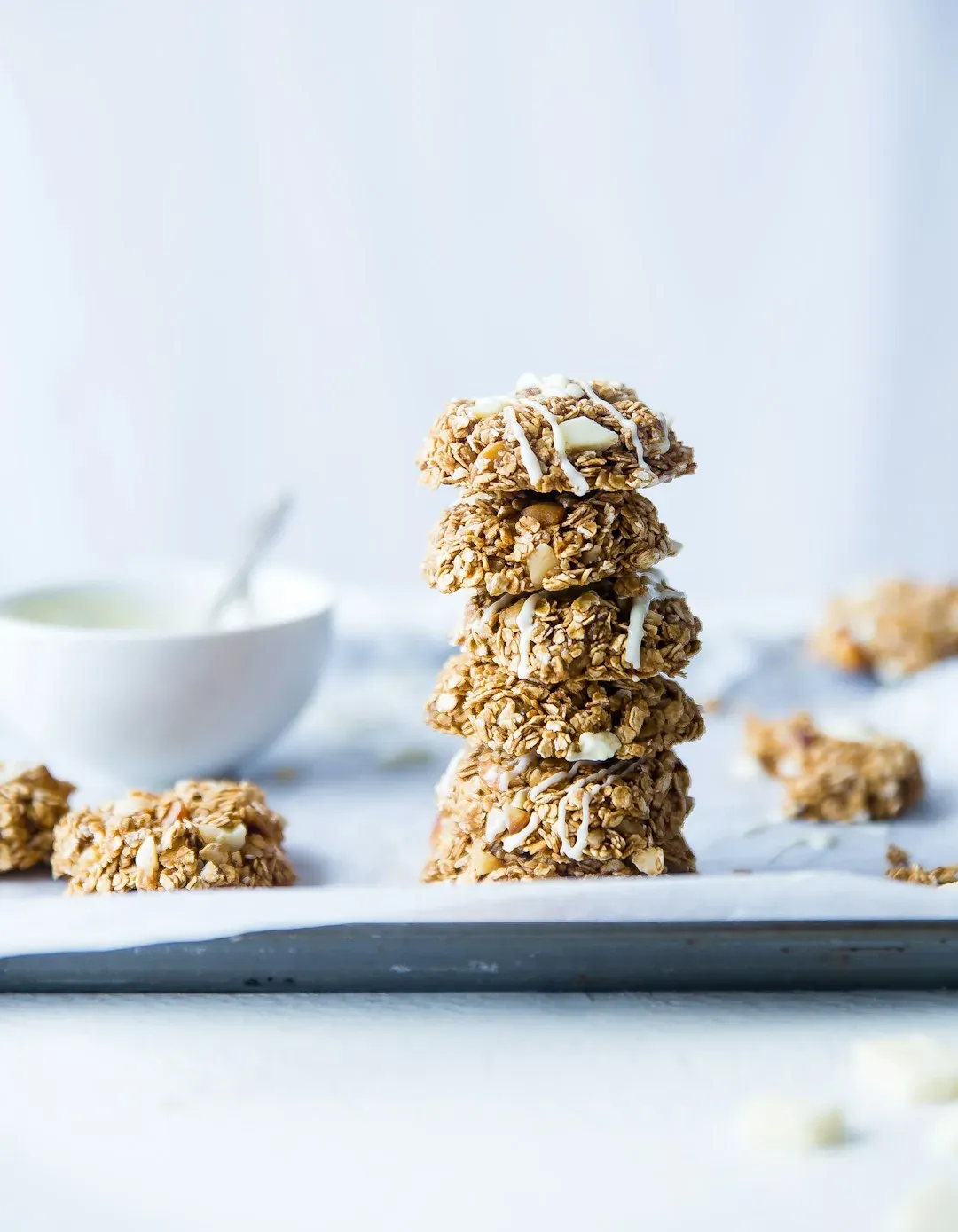
The pressure on large snack companies has never been more intense. Smaller, nimbler brands are entering the market with cleaner formulas, bolder claims, and more transparent sourcing. The giants are responding. Recent surveys reveal that over 65% of consumers are willing to pay a premium for snacks that are labeled as organic or free from artificial components, and this trend is prompting manufacturers to reformulate existing products and develop new offerings that emphasize clean labels and transparency.
Better-for-you options made with alternative grains, higher fiber, and no artificial preservatives continue being introduced. It is hard to say for sure whether every reformulation is truly health-driven or primarily marketing-driven, but the direction of travel is undeniable. In January 2025, PepsiCo finalized its $1.2 billion acquisition of the grain-free Siete Foods, to enhance its Hispanic-snack portfolio, a deal that signals just how seriously major players are taking the demand for cleaner, more diverse options. The snack aisle has changed. More importantly, it is not done changing yet.
What is most fascinating about all of this is that the makeover is not being driven by any single force. It is health, economics, technology, generational culture, and environmental consciousness all colliding in the snack aisle at once. The humble chip bag has become a mirror of modern American values. What snack trend surprised you most? Drop your thoughts in the comments.