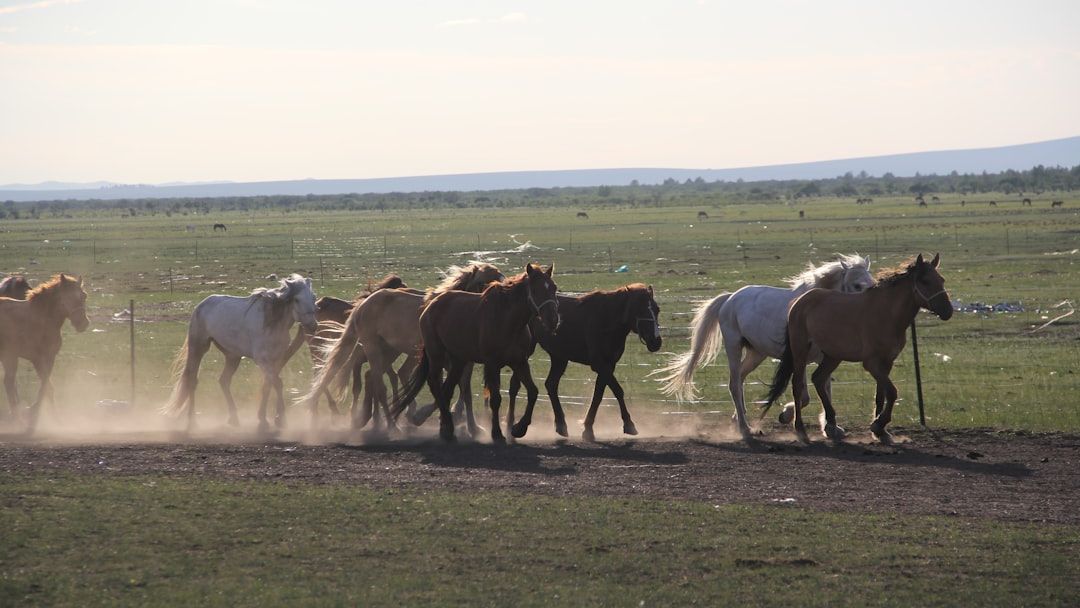

Populations Exceed Federal Targets by Nearly Three Times
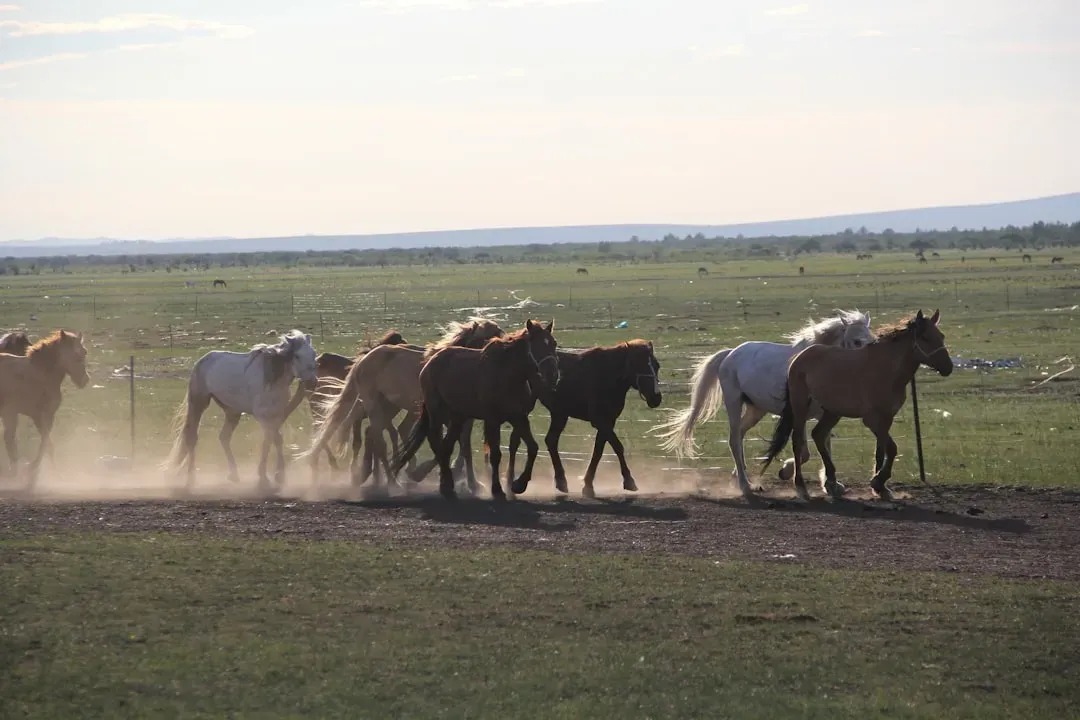
As of March 1, 2025, the Bureau of Land Management estimated about 73,130 wild horses and burros on public lands, a figure that dwarfs what federal agencies consider sustainable. BLM had set the AML upper limit for all wild horse and burro herds on its lands at 25,556 animals, meaning current numbers stand at roughly three times the management target. This gap between actual populations and what rangeland can support has intensified debates over how to balance protecting these animals with maintaining ecosystem health.
Federal Roundups Continue Shaping Herds Across the West
On September 2, 2025, the U.S. Forest Service launched a roundup of 350 wild horses from the Devil’s Garden Plateau in Northern California, illustrating how removal operations remain central to federal management strategy. Officials say the operation is meant to reduce the herd toward an AML of 206–402 horses, a number set back in 2013. These gathers play out across multiple Western states annually as agencies attempt to slow population growth and prevent rangeland damage, a cycle that has persisted for decades despite controversy.
Tens of Thousands Confined in Holding Facilities With No Path Home
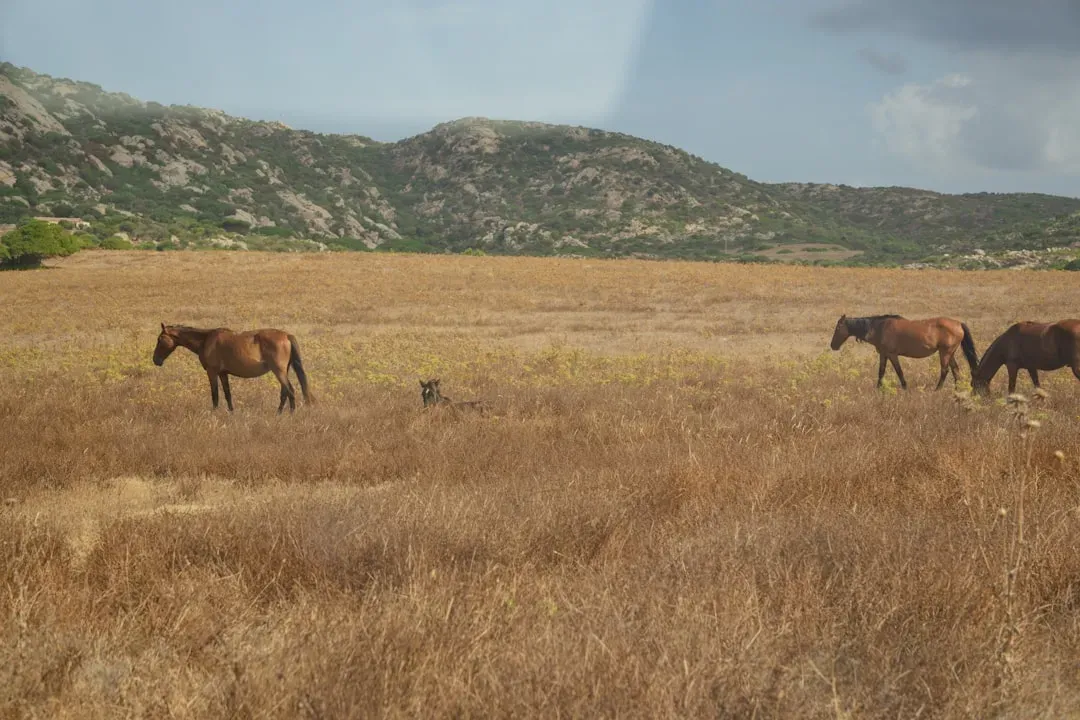
BLM manages 64,205 wild horses and burros off range as of August 2025, animals removed from public lands during roundups but not adopted into private care. Most are being cared for in long-term pasture facilities, typically for the remainder of their lives, while others remain in short-term corral facilities, usually to be readied for adoption or sale. This massive off-range population has created both animal welfare concerns and staggering financial pressures that consume the majority of the program’s budget, leaving federal managers searching for solutions that don’t yet exist at scale.
Congressional Debates Threaten Longstanding Protections
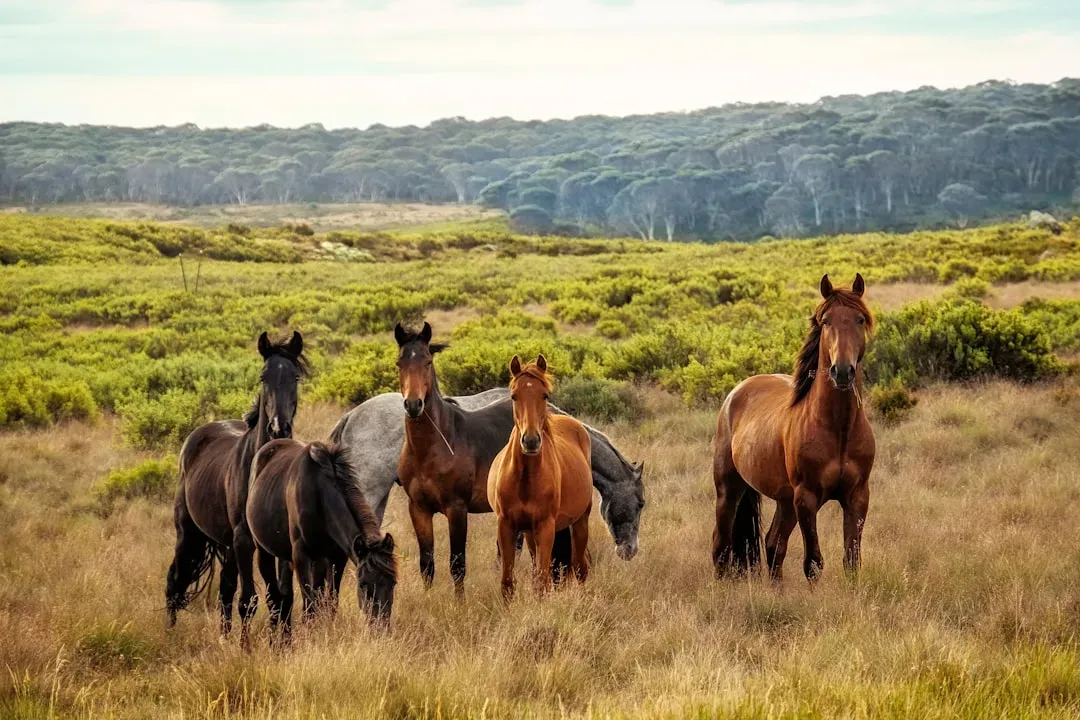
President Trump’s FY2026 budget did not prohibit use of funds for destruction of animals, and the FY2020 BLM budget justification had called for availability of all authorities under the 1971 Act by removing sale limitations and prohibitions on using funds to destroy healthy animals. While Congress has historically blocked funding for slaughter, the absence of such language in recent budget proposals signals a potential shift. Advocacy groups warn that removing these safeguards could fundamentally alter how wild horses are treated, putting protections in place for over fifty years at risk as policymakers grapple with overpopulation and costs.
Roundup Methods Face Intense Welfare Scrutiny
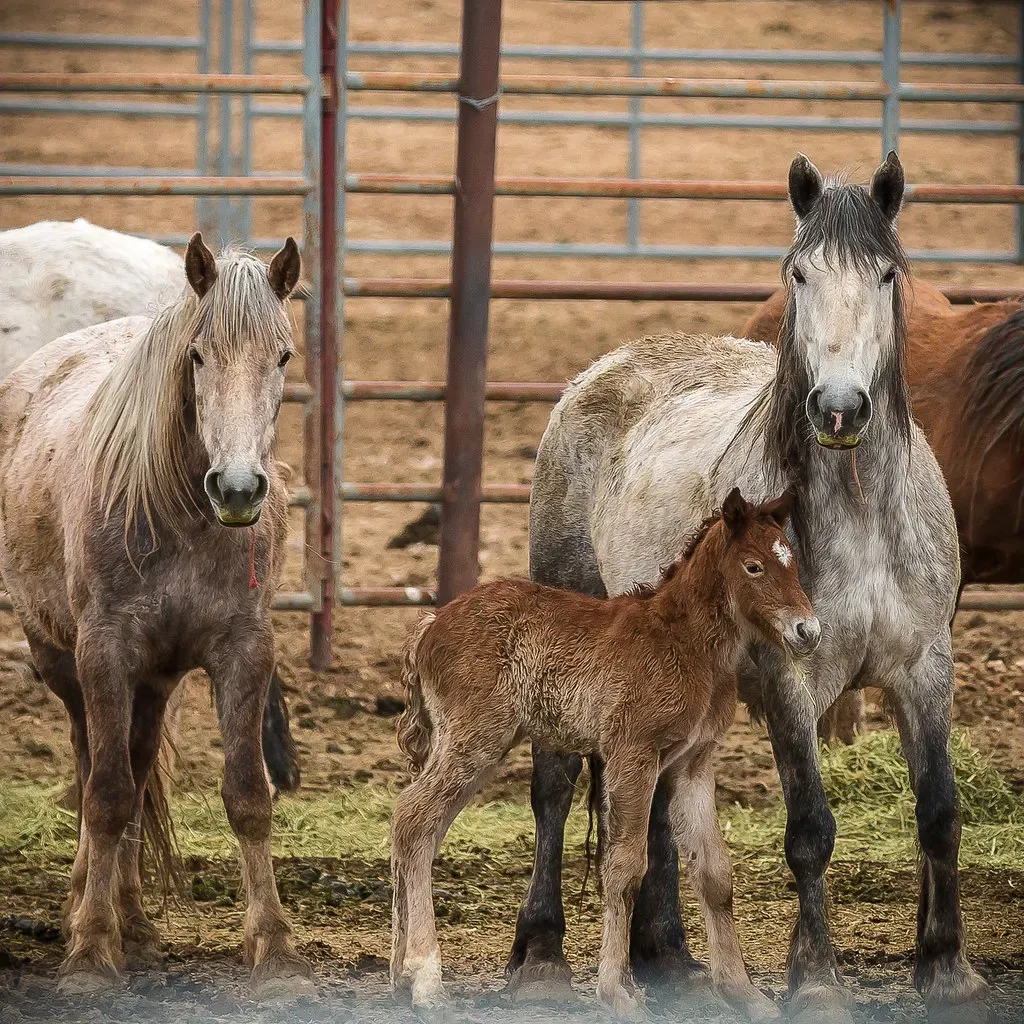
Helicopter roundups draw sharp criticism from animal welfare advocates who document injuries, deaths, and family band disruptions during operations. Helicopter roundups are dangerous operations, often resulting in injuries or fatalities to wild horses as terrified animals flee for miles across rough terrain and in harsh conditions. Roundups are already dangerous and stressful for wild horses – limiting oversight only adds to the risk of abuse hidden from view, particularly when public observation is restricted, as happened at Devil’s Garden in 2025 where advocates reported obstructed views and limited access to corral facilities.
Historic Federal Law Shapes Modern Management Authority
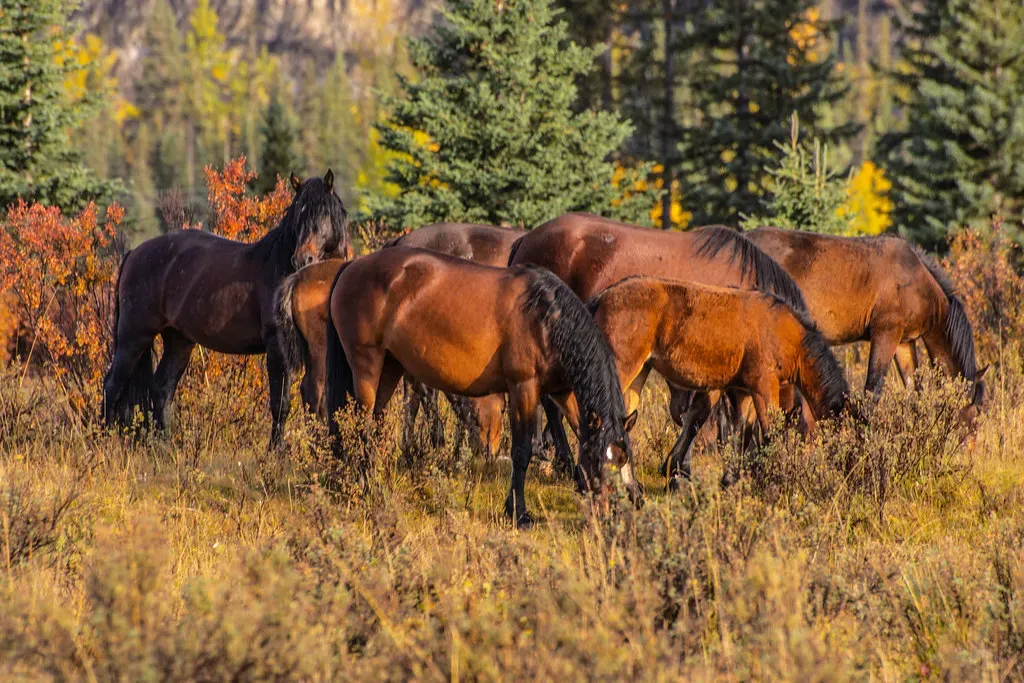
The Bureau of Land Management created the Wild Horse and Burro Program to implement the Wild-Free Roaming Horses and Burros Act, passed by Congress in 1971, which declares wild horses and burros to be “living symbols of the historic and pioneer spirit of the West”. Wild horses and burros that exceed AML are to be removed from the range, in accordance with the 1971 Wild Free-Roaming Horses and Burros Act, as amended. This framework gives agencies broad authority to gather excess animals, yet also mandates protection and humane treatment, creating tensions that remain unresolved more than five decades after the law’s passage.
Adoption Programs Place Thousands but Cannot Keep Pace
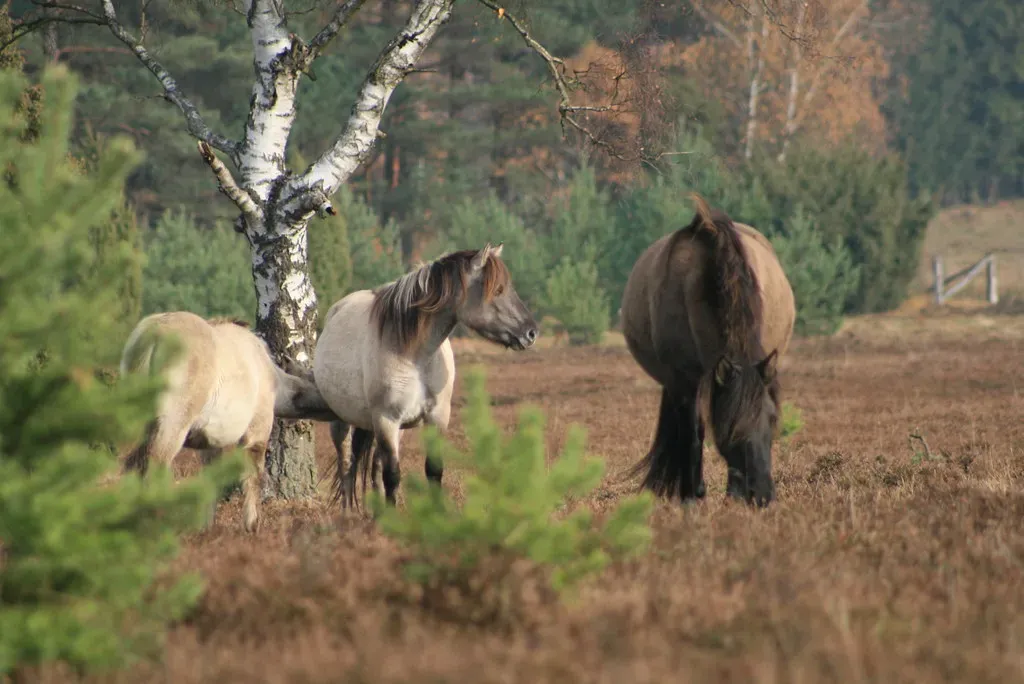
While BLM adopts out 5,000 to 7,000 wild horses in its care annually, the agency rounds up and removes close to three times that number in some years, creating a widening gap between animals removed and those finding private homes. BLM typically charges a minimum of $25 to adopt or purchase an untrained animal and $125 per trained animal, and the agency estimated the average cost at about $1,700 in 2025, including making the animals more marketable but excluding a $1,000 adoption incentive that ended in March 2025. Despite partnerships and incentive programs, demand hasn’t matched the supply of horses needing homes.
Budget Pressures Drive Management Decisions
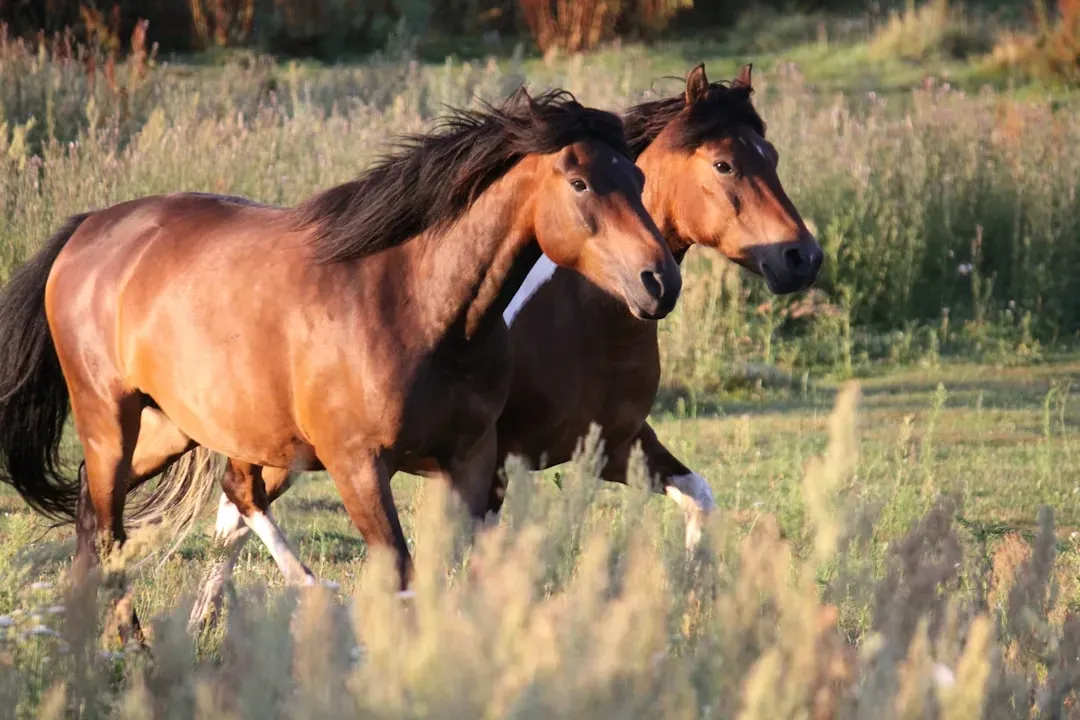
The cost to care for and feed wild horses is likely to top $100 million, consuming roughly two-thirds of BLM’s $142 million annual budget for the program in fiscal 2025. The FY2025 appropriation for BLM management of wild horses and burros was $142.0 million, nearly a 600% increase in nominal dollars and about a 270% increase in 2025 dollars relative to FY2000. These escalating expenses limit what agencies can invest in on-range fertility control or habitat improvements, forcing difficult tradeoffs that shape whether horses remain wild or spend lifetimes in captivity.
Legislative Efforts Target Protection for At-Risk Herds
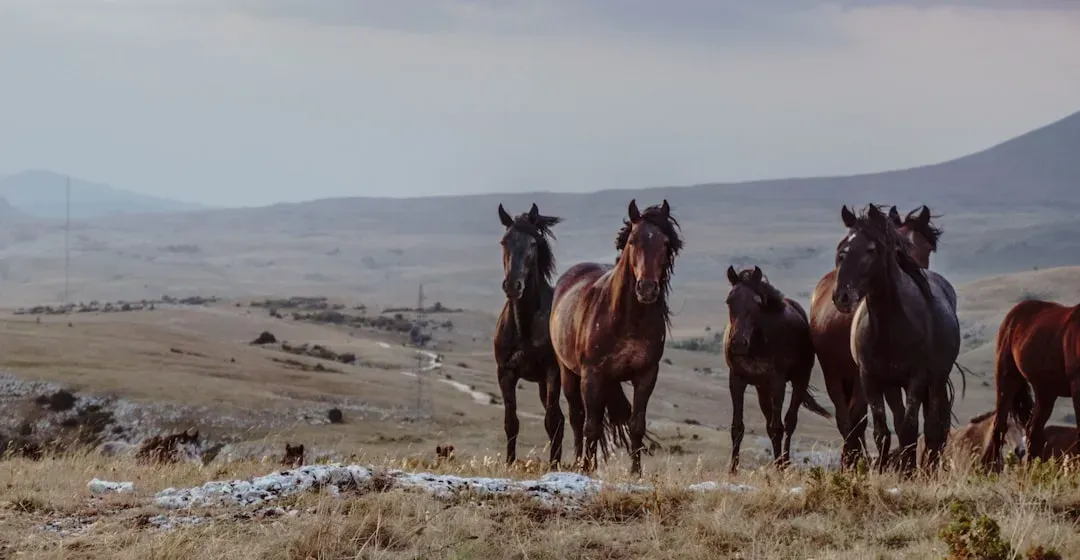
Senator John Hoeven introduced legislation calling for federal protection for the wild horses of Theodore Roosevelt National Park through the Theodore Roosevelt National Park Wild Horses Protection Act, US Senate Bill S1377, a bipartisan bill officially introduced into the US Senate. The bill includes language saying the Secretary of the Interior “shall maintain a genetically diverse herd of horses in the South Unit of Theodore Roosevelt National Park with a population of not fewer than 150 horses”. This push reflects how advocacy campaigns and hearings in 2025 aimed to reshape policy for specific herds facing removal, showing that wild horse futures increasingly depend on targeted congressional action.
Cultural and Conservation Conflicts Define the Debate
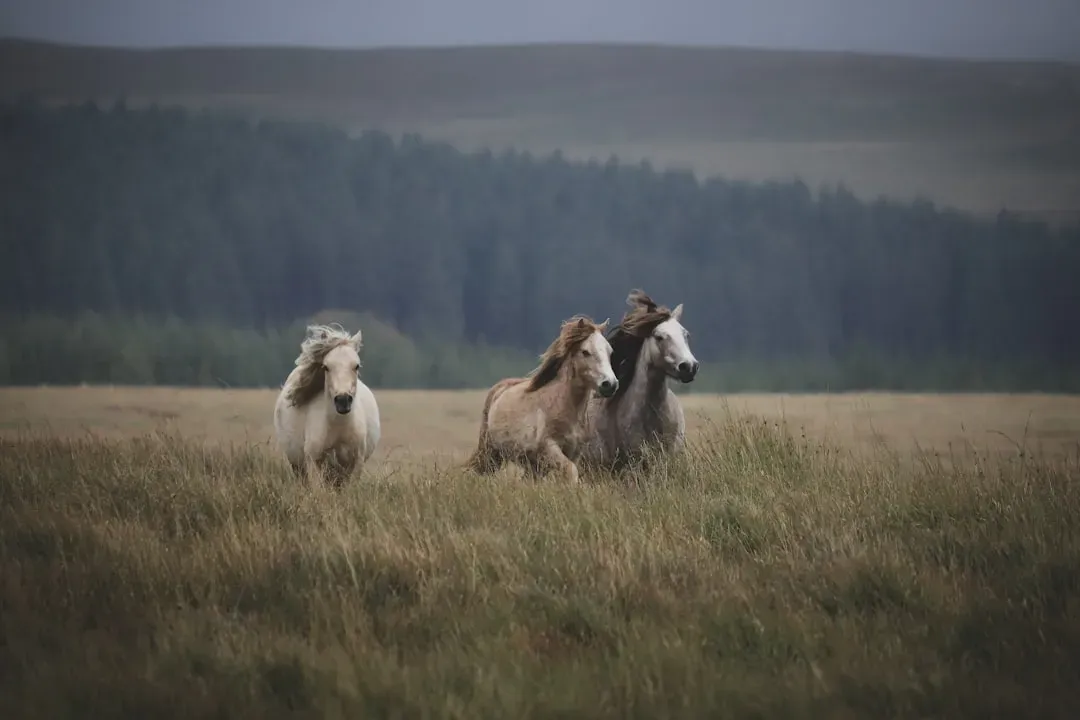
Wild horses occupy a powerful symbolic place in American identity, yet their impact on fragile Western ecosystems has sparked fierce disagreement among conservationists, ranchers, and the public. Without natural population controls, such as predation, herds can increase at a rate of up to 20 percent annually, doubling in size in just 4 to 5 years if not appropriately managed, requiring population control to protect scarce and fragile resources in the arid West and ensure healthy animals. Balancing reverence for these animals as living symbols of the West with the ecological realities of managing public lands for multiple uses remains one of the most contentious wildlife management challenges facing federal agencies, with no consensus emerging despite decades of debate.