Origins in the Shadows of Civil War (Image Credits: Flickr)
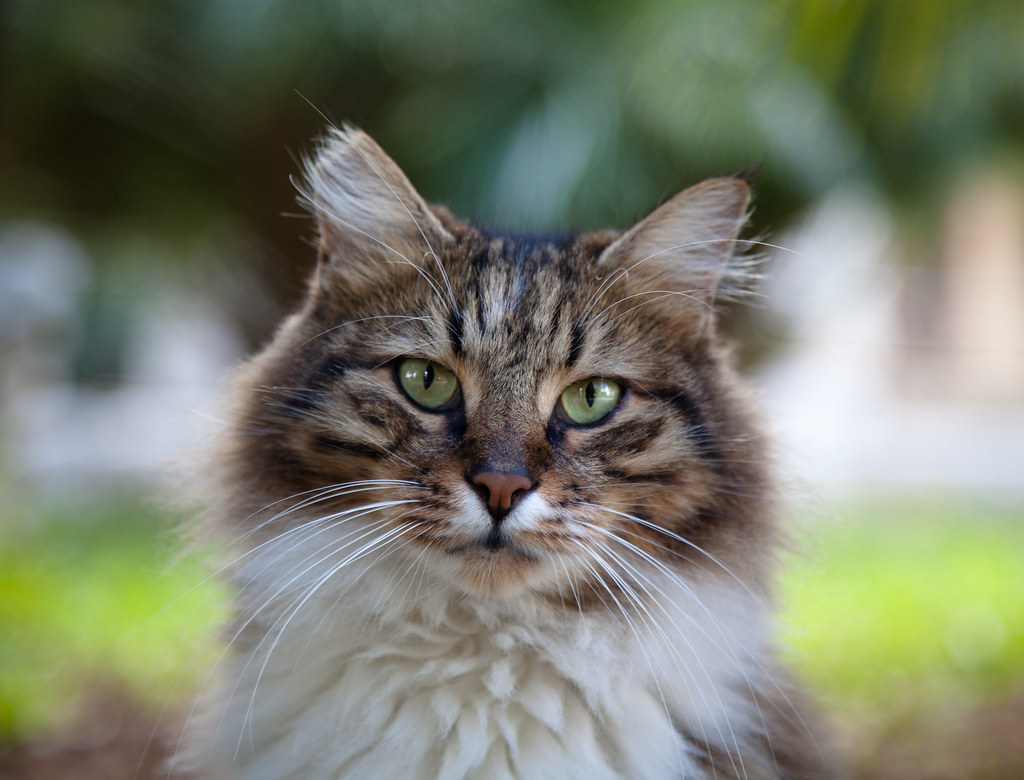
Beirut – The American University of Beirut serves as a vital sanctuary for as many as 1,600 cats displaced by decades of war and economic hardship in Lebanon.[1]
Origins in the Shadows of Civil War
The tradition began during the Lebanese civil war in the 1980s. Cats fled intense street fighting in the nearby Hamra district and sought refuge on the university’s downtown campus. Staff member Henry Matthews recalled how the animals arrived en masse, drawn to the relative safety of the grounds.[1]
This influx marked the start of an ongoing commitment. Over time, the effort expanded to address cats left behind in subsequent conflicts. The campus, with its expansive gardens rolling toward the Mediterranean, provided an ideal haven amid urban chaos.
Surge from Recent Wars and Economic Woes
Lebanon endured another year of intense fighting between Hezbollah and Israel starting in late 2023, with Israeli strikes continuing into 2026. A crippling financial crisis compounded the turmoil, forcing many residents to flee and abandon their pets. Veterinarian Rana Bou Khalil noted that owners often dumped cats near the campus, assuming they would receive care.[1]
The feline population swelled from around 800 cats little more than a year ago to between 1,200 and 1,600 today. Bou Khalil’s team spayed or neutered 1,000 animals over the past two years alone. Roughly 10 cats arrive abandoned each week, including former house pets like Persians and Scottish Folds alongside feral strays.
A Dedicated Care System Sustains the Colony
The university maintains two veterinary clinics where incoming cats receive treatment, vaccinations, and sterilization before release back onto the grounds. Caretaker Mohammad Kamal follows a daily circuit of feeding stations, distributing dry food in about an hour each morning, seven days a week.
Efforts include:
- Admission and health checks for new arrivals.
- Spaying or neutering to control population growth.
- Vaccinations and care for sick or injured animals.
- Daily feeding across the sprawling campus.
- Occasional adoptions, though numbers remain high.
Funding comes partly from donations, ensuring cat care does not impact student resources. The campus, established in 1866 and home to 10,000 students, doubles as a bird sanctuary since 2003 and a leader in regional sustainability.[1]
Students Navigate Life with Feline Companions
Cats blend into daily campus routines, lounging in gardens or boldly entering classrooms and dorms during harsh weather. Engineering student Joe Nouaime described them as a colorful presence. Freshman Ali Itani shared a lighthearted encounter with a cat rubbing against his leg during class, startling a classmate.
Opinions vary. Some students, like Lara Moukaddam, found the intrusions annoying at times. Others, including computer science major Layla Shahrur from southern Lebanon, valued their calming effect amid war stresses. “If you are stressed… petting cats helps you get out of your stress zone,” she said.[1]
A code of conduct prohibits mistreatment, and staff gently remove indoor wanderers. Press officer Mimi Touma linked the effort to the campus entrance inscription: “Let them have life and have it more abundantly.”
Key Takeaways
- AUB’s cat population exploded due to recent wars and abandonments.
- Sterilization and feeding programs keep the colony sustainable.
- Cats offer emotional relief to students facing ongoing conflict.
In a city scarred by conflict, the university’s feline residents embody resilience and compassion. They remind the community of the value in protecting the vulnerable. What role do animals play in your life during tough times? Share in the comments.