

The Incident That Ignited the Flames (Image Credits: Unsplash)
Minneapolis – Tensions simmered in the city’s streets as demonstrators unleashed a cacophony of sound to protest federal immigration enforcement actions.
The Incident That Ignited the Flames
A fatal shooting involving an Immigration and Customs Enforcement officer on January 7 marked a turning point for local activists. Renee Nicole Good lost her life in south Minneapolis during what authorities described as an encounter gone wrong. The event quickly drew widespread condemnation from community leaders and residents alike.
Investigators from the FBI took charge of the case, but state and local officials pushed for greater involvement in the probe. Protests erupted almost immediately, evolving from vigils into more assertive displays of dissent. By Friday evening, the energy had coalesced into a targeted action against ICE’s local footprint.
Noise as a Weapon of Protest
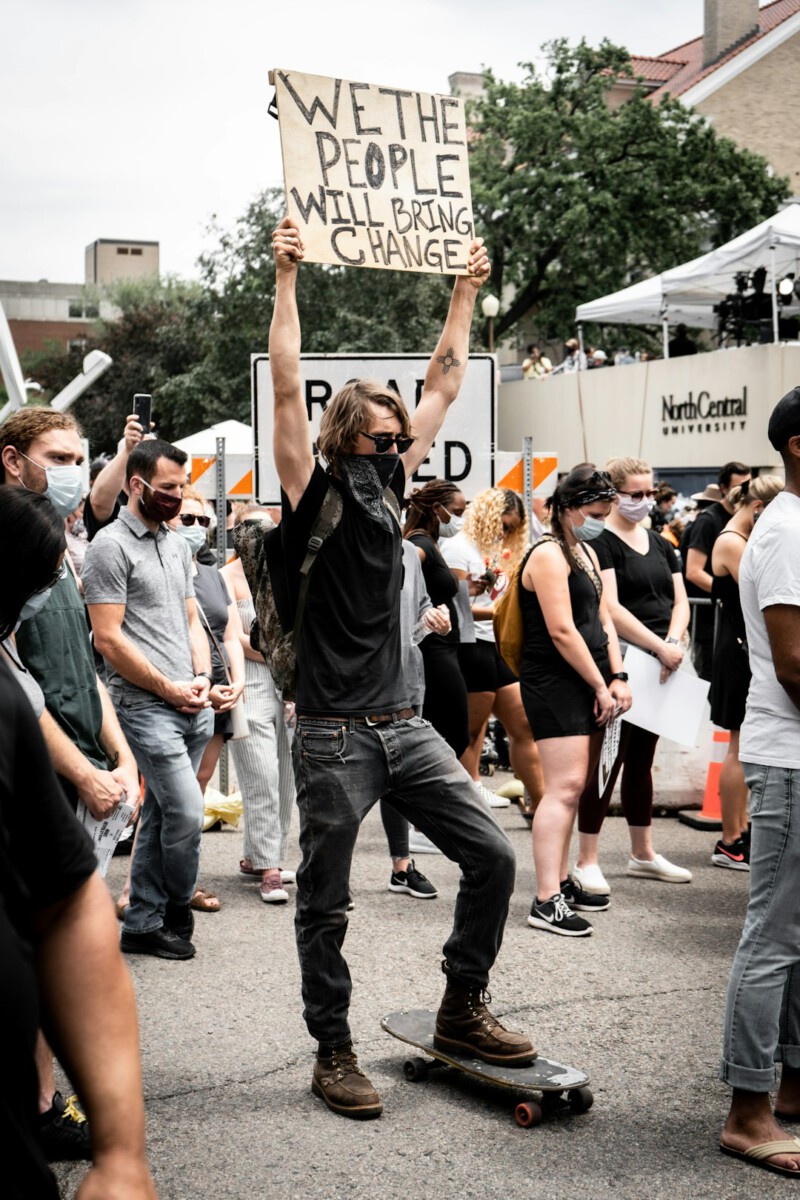
Demonstrators gathered outside a downtown hotel believed to house ICE agents, opting for a “noise demonstration” to convey their message without physical confrontation. Participants banged pots, blew horns, and shouted through megaphones, creating an unrelenting auditory assault that echoed through the urban canyon. This tactic, rooted in traditions of nonviolent resistance, aimed to disrupt the agents’ rest and symbolize the unrest rippling through the community.
The gathering drew dozens of locals, many voicing frustration over perceived overreach by federal authorities. Police maintained a heavy presence, monitoring the event to ensure it remained peaceful. Organizers emphasized solidarity with Good’s family, framing the noise as a call for accountability rather than chaos.
Escalating Demonstrations Across the Region
The noise protest formed part of a broader wave of actions in Minneapolis and beyond. Earlier that day, a rally at the State Capitol amplified demands for transparency in the shooting investigation. In neighboring Wisconsin, similar gatherings highlighted interconnected concerns about immigration enforcement.
Cellphone footage of the incident surfaced, intensifying public scrutiny and fueling the momentum. Protesters argued that such events underscored deeper issues in federal operations. As night fell, the downtown demonstration persisted, with participants undeterred by the cold January air.
- Calls for an independent review of ICE procedures.
- Support for affected families through community funds.
- Advocacy for limits on federal agent deployments in urban areas.
- Education on immigrant rights amid rising tensions.
- Coordination with local law enforcement for joint oversight.
Waves of Solidarity and Scrutiny
Reactions poured in from across the country, with demonstrations in Portland mirroring the unrest after another federal shooting. In Minneapolis, faith groups and civil rights organizations lent their voices, urging de-escalation while pressing for justice. The identity of the involved ICE officer, confirmed through court records, added a layer of personal accountability to the narrative.
City officials navigated the delicate balance between free expression and public safety. Reports indicated no arrests during the noise event, though tensions lingered. This outpouring reflected a community grappling with loss and seeking systemic change.
Key Takeaways
- The noise demonstration highlighted nonviolent tactics in protesting federal actions, focusing on disruption over destruction.
- Ongoing investigations into the shooting involve multiple agencies, with local input demanded by Minnesota leaders.
- Protests signal a national conversation on immigration enforcement, potentially influencing policy debates.
As the echoes of the demonstration fade, Minneapolis stands at a crossroads, where grief transforms into resolve. The path forward demands dialogue between communities and authorities to prevent further tragedy. What steps should be taken to bridge these divides? Share your thoughts in the comments below.