

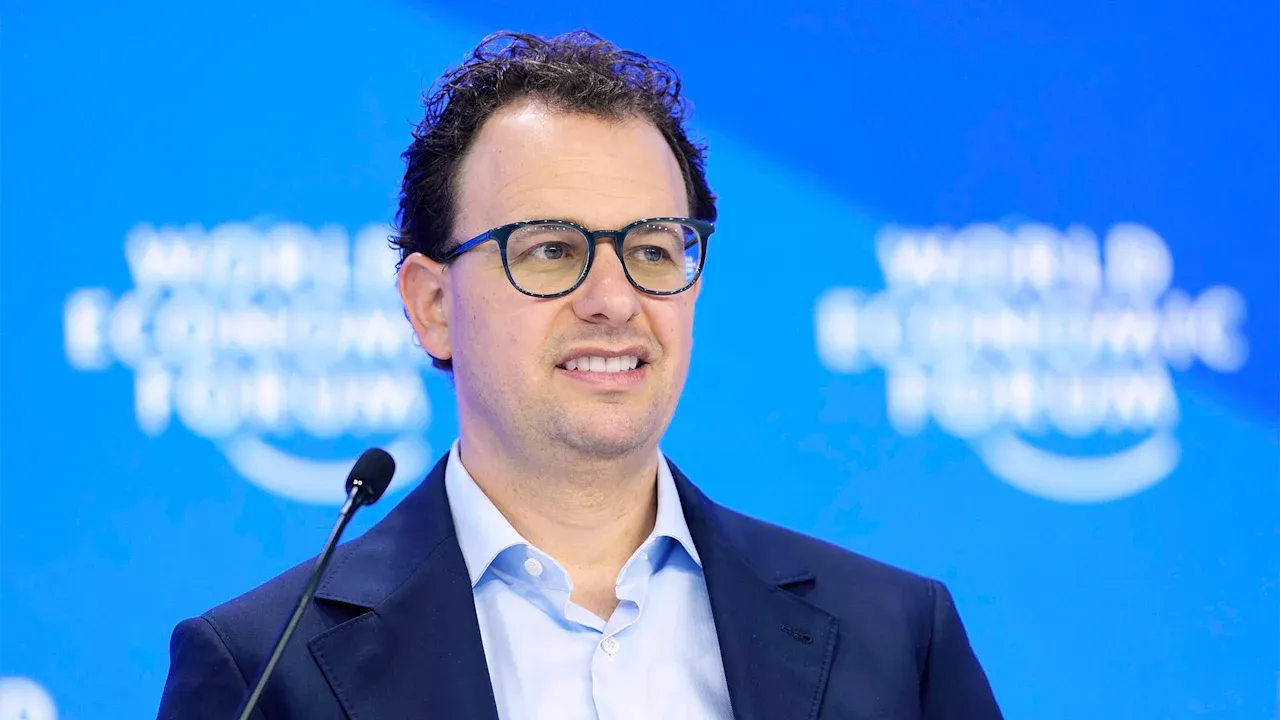
Defense Officials Issue Stern Deadline (Image Credits: Images.fastcompany.com)
A high-profile standoff between AI firm Anthropic and U.S. military leaders escalated this week as the company refused to drop safeguards on its Claude chatbot technology.
Defense Officials Issue Stern Deadline
Military leaders delivered a blunt ultimatum to Anthropic, demanding unrestricted access to its AI models by Friday evening or face severe repercussions.
Pentagon spokesman Sean Parnell announced on social media that no company would dictate operational decisions, setting the cutoff at 5:01 p.m. ET. Defense Undersecretary Emil Michael accused Anthropic CEO Dario Amodei of harboring a “God-complex” and endangering national security. Officials also met with Amodei earlier in the week, warning of contract termination, a supply chain risk designation, or invocation of the Defense Production Act. Such measures could isolate Anthropic from key partnerships. Parnell insisted the military sought use for “all lawful purposes” and rejected notions of mass surveillance or autonomous weapons development.
Anthropic Holds Ground on Core Principles
Anthropic drew a clear boundary, with Amodei stating the company “cannot in good conscience accede” to terms that undermine its protections.
The firm initially pursued limited guarantees against deploying Claude for mass surveillance of Americans or fully autonomous weapons. Negotiations soured when proposed compromises included loopholes allowing disregard of those limits. Amodei highlighted the contradictions in Pentagon threats: labeling the company a security risk while deeming its technology essential. Anthropic offered to facilitate a transition to alternative providers if needed. This position underscores the startup’s rapid ascent from a San Francisco research lab to a top-valued AI player.
Silicon Valley Rallies Behind the Decision
Tech industry voices quickly mobilized in support, signaling a potential fracture in military-AI collaborations.
An open letter from employees at rivals OpenAI and Google praised Anthropic’s resolve and warned of Pentagon tactics to divide firms. Retired Air Force Gen. Jack Shanahan, who oversaw past AI projects like Maven, expressed sympathy for Anthropic’s stance. He noted Claude’s existing government use, including classified applications, but argued large language models remain unready for critical national security roles.
“They’re not trying to play cute here,” Shanahan wrote of the company’s red lines.
Bipartisan lawmakers echoed concerns over the aggressive approach. Google had previously exited Maven amid employee protests against weapon-related AI.
Stakes Extend Beyond One Contract
The dispute carries weighty consequences for Anthropic’s reputation and the broader AI landscape.
Yielding could erode trust among talent attracted to Anthropic’s responsible AI ethos, vital amid warnings of catastrophic risks from unchecked systems. Refusal risks financial hits from lost defense work, though the firm appears positioned to weather it. Other providers like OpenAI, Google, and xAI hold military deals, placing them under similar pressure. Pentagon negotiations with those companies aim to secure looser terms.
- Contract cancellation threatens immediate revenue.
- Supply chain risk label could disrupt commercial ties.
- Ethical stand bolsters brand in competitive AI field.
- Precedent shapes future government-tech pacts.
This clash highlights the growing friction between rapid AI innovation and national security imperatives. Anthropic’s choice prioritizes long-term principles over short-term gains, potentially reshaping industry norms. What implications do you see for AI development? Share your thoughts in the comments.
Key Takeaways
- Anthropic seeks safeguards against surveillance and autonomous weapons, rejecting Pentagon loopholes.
- Tech workers and experts back the firm amid threats of contract loss and risk labeling.
- The outcome could influence military deals with OpenAI, Google, and others.