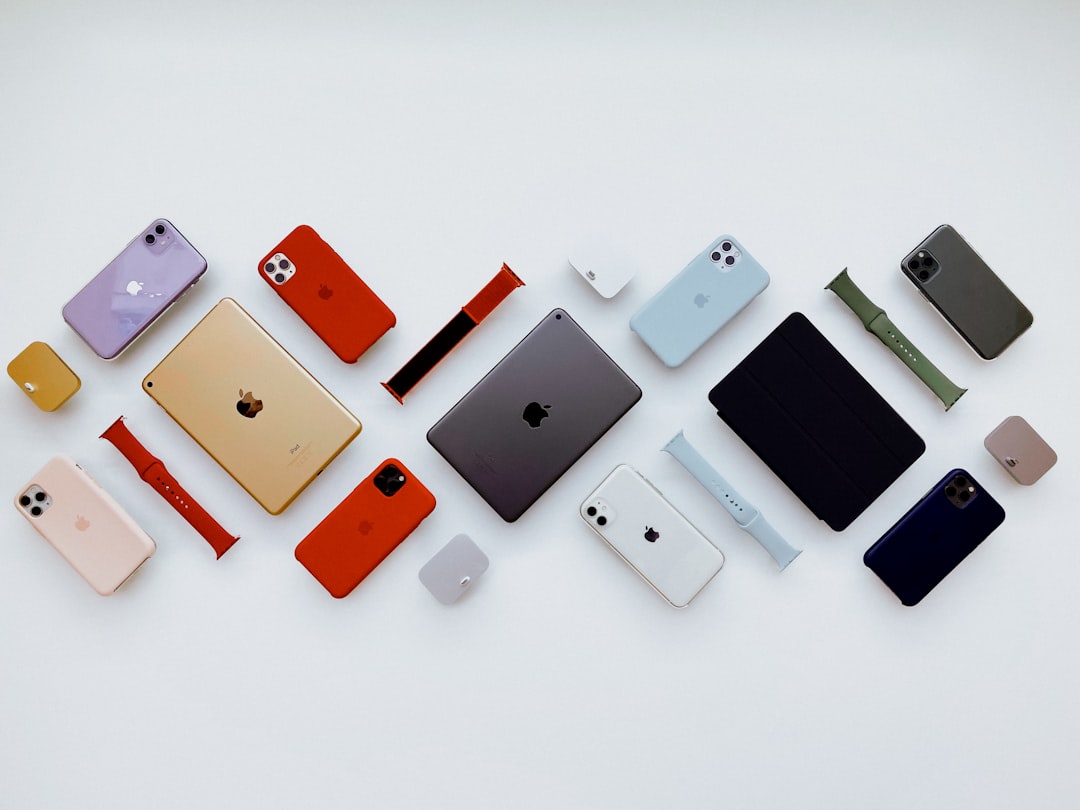
A Budget iPhone 17e Sparks the Early Rush (Image Credits: Unsplash)
Apple prepared for one of its busiest years yet as reports surfaced of more than 20 new devices slated for release throughout 2026.[1][2]
A Budget iPhone 17e Sparks the Early Rush
Analysts predicted the iPhone 17e would arrive in the coming weeks as Apple’s first major hardware drop of the year. Priced around $599, the device featured the A19 chip borrowed from the iPhone 17 lineup, along with MagSafe charging and Apple’s latest in-house cellular modem.[2] This entry-level model targeted cost-conscious buyers with upgrades like slimmer bezels and potential Dynamic Island support, replacing the traditional notch.
Refreshed iPads accompanied the iPhone push. The base iPad gained an A18 or A19 processor for the first time supporting Apple Intelligence features, while iPad Air models upgraded to M4 chips. These updates emphasized internal performance boosts over design overhauls.[3]
M5 Macs Target Power Users Immediately
New MacBook Pros in 14-inch and 16-inch sizes launched with M5 Pro and M5 Max chips, delivering substantial gains in graphics and AI tasks compared to prior generations.[4] A low-cost MacBook under 13 inches followed closely, powered by an iPhone-class A-series chip to challenge affordable Windows and Chromebook rivals in enterprise and emerging markets.
MacBook Air models received M5 processors without major exterior changes, focusing on efficiency for everyday computing. Supply chain whispers suggested these machines could hit shelves as early as late February or March. Apple positioned these refreshes to capitalize on demand for AI-enhanced silicon across its laptop range.[5]
Home and Accessories Fill Out the Spring Slate
Apple expanded its smart home offerings with a HomePod mini 2 featuring audio tweaks and a new chip, alongside a Home Hub – a 7-inch touchscreen device for controlling lights, music, and calls. An AirTag 2 promised better range via an upgraded Ultra Wideband chip, while Apple TV 4K adopted an A17 Pro processor for gaming and Intelligence features.[1]
A second-generation Studio Display added 120Hz ProMotion and HDR capabilities. These accessories rounded out a spring focused on ecosystem integration rather than flashy redesigns.
- iPhone 17e: A19 chip, MagSafe, ~$599
- Low-cost MacBook: A-series chip, sub-13-inch screen
- M5 MacBook Pro/Air: AI/graphics boosts
- HomePod mini 2 and Home Hub: Smarter home control
- AirTag 2: Enhanced tracking
Fall Brings Flagship Innovations
Rumors pointed to an iPhone 18 Pro series in September with an A20 Pro chip, under-display Face ID, and Apple’s C2 modem for superior connectivity. A book-style foldable iPhone emerged as the headliner, boasting a crease-free 7.6- to 7.8-inch inner display and titanium build.[3]
Other late-year arrivals included an OLED iPad mini, AirPods Pro 3 with cameras for visual AI, and a redesigned M6 MacBook Pro. Apple Glasses or smart AR wearables hovered on the horizon, potentially pairing with iPhones for hands-free assistance.[1]
| Season | Key Products |
|---|---|
| Early 2026 | iPhone 17e, M5 Macs, iPads |
| Mid-2026 | Mac Studio, displays |
| Fall 2026 | iPhone 18/Fold, Watch updates |
Key Takeaways:
- Over 20 products signal Apple’s aggressive refresh cycle.
- Early focus on affordability with iPhone 17e and cheap MacBook.
- Foldable iPhone marks a bold category entry.
Apple’s 2026 strategy blended incremental upgrades with category pioneers, reinforcing its hardware dominance amid AI competition. Observers anticipated these launches would drive revenue growth through volume and premium tiers alike. What product excites you most this year? Share in the comments.