
Aspic and Jell-O salads are making a comeback on social media and in fine restaurants, and they’re not alone. From mid-century gelatin molds to forgotten Depression-era desserts, nostalgic American recipes are reclaiming their place at the modern table. It’s happening quietly in restaurant kitchens, loudly across TikTok feeds, and maybe even in your own home without you realizing it. The report, based on insights from hundreds of culinary professionals surveyed in October 2025, reveals that nostalgia, comfort and “flavor escapism” are defining consumer desires in 2026.
What’s driving this wave of culinary nostalgia isn’t just sentimental memories. Economic pressures, the endless scroll of social media inspiration, and a deep yearning for simpler times are all converging to bring grandma’s recipes back into rotation.
Jell-O Salads Are Jiggly and Back
Home cooks are reviving the trend on social media, sharing Jell-O salads studded with marshmallows and fruit, and savory jelly creations packed with tomato, crab meat, clams, olives and even beef tongue. Once dismissed as a relic of questionable taste from the fifties, gelatin salads are suddenly chic again. Chefs are bringing it back, too, with chef Matthew Ryle reimagining the traditional French oeuf en gelée with rich stocks and soft-boiled eggs, according to The New York Times. Millennials and Gen X are rediscovering “grandma food” such as meatloaf, casseroles and Spam, and Jell-O molds fit right into that aesthetic universe. Honestly, it’s hard to say for sure, but the comeback seems to be blending nostalgia with genuine culinary creativity.
Grandma’s Comfort Dishes Rule the Table
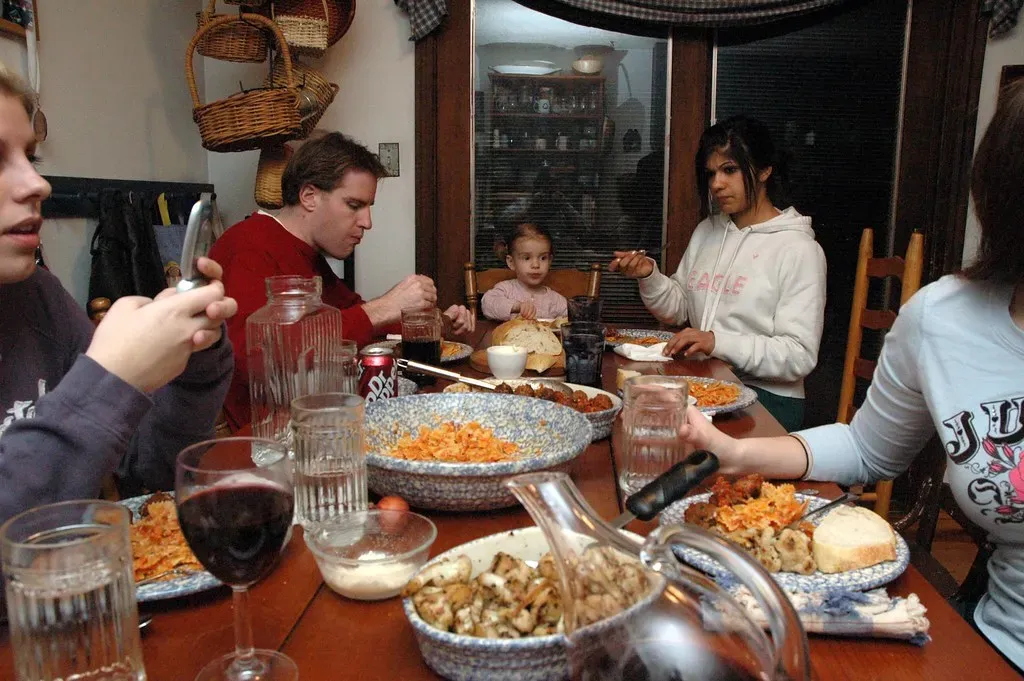
There’s something deeply reassuring about a one-pot meal that doesn’t require a dozen specialty ingredients. Food trends are shifting back towards what feels familiar and comforting, with a stronger emphasis on traditional styles and drawing inspiration from childhood memories. Casseroles, pot roasts, and simple stews – the kind of food that defined Sunday dinners for generations – are making their way back into regular meal rotations. Familiar classics like soups, stews and burgers offer diners a sense of nostalgia and emotional connection, particularly when budgets are tight and life feels overwhelming. These dishes don’t demand culinary wizardry; they just ask you to show up and let the oven do the work.
Classic Barbecue Sides Return to Summer Tables
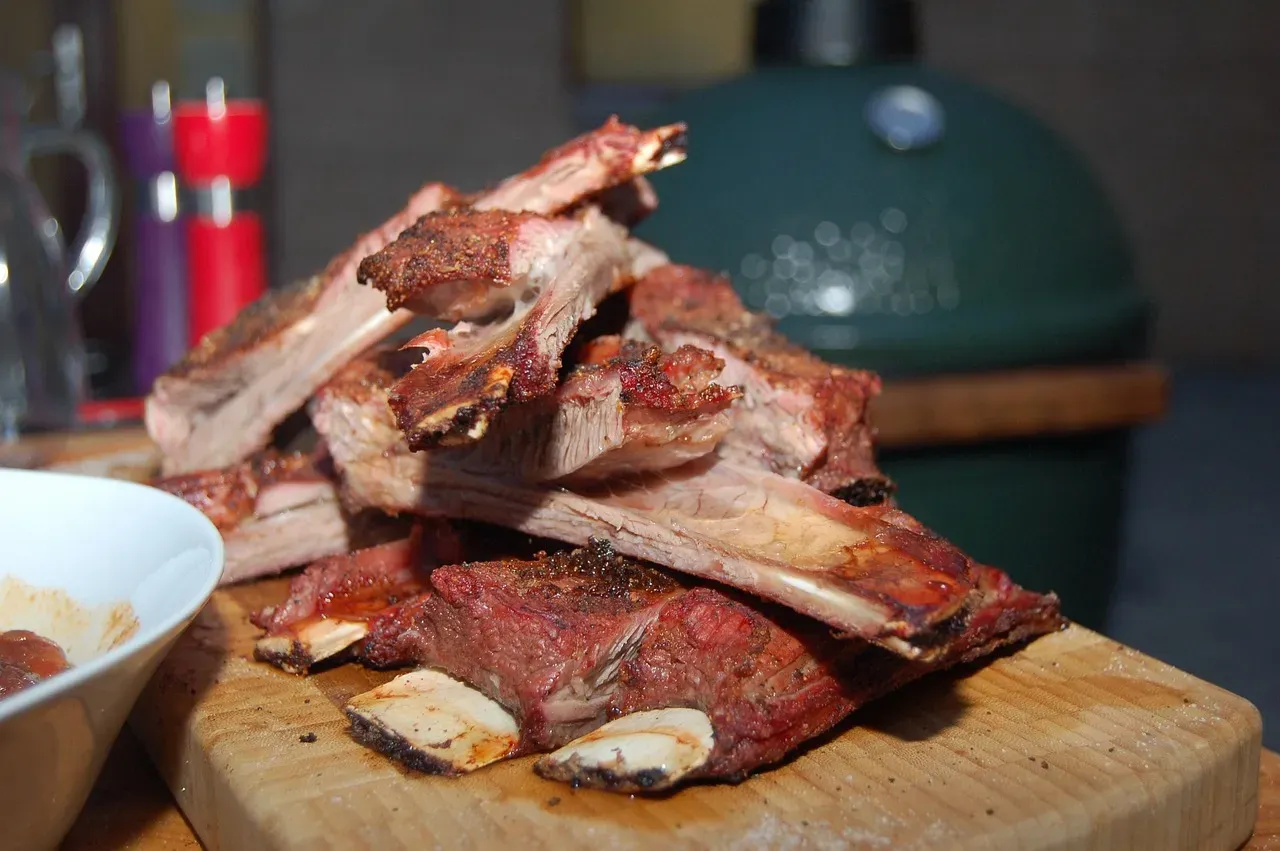
The backyard cookout wouldn’t be complete without the supporting cast of sides that defined American summers for decades. Baked beans simmered low and slow, tangy and sweet, and rustic tomato pie with its flaky crust are once again claiming real estate on picnic tables. These aren’t fancy or fussy dishes. They’re what you bring to a potluck when you want to impress without pretending to be a chef. Their reappearance on 2025 recipe roundups proves that some flavors don’t fade – they just take a break before coming back stronger.
Green Bean Casserole Remains a Holiday Staple
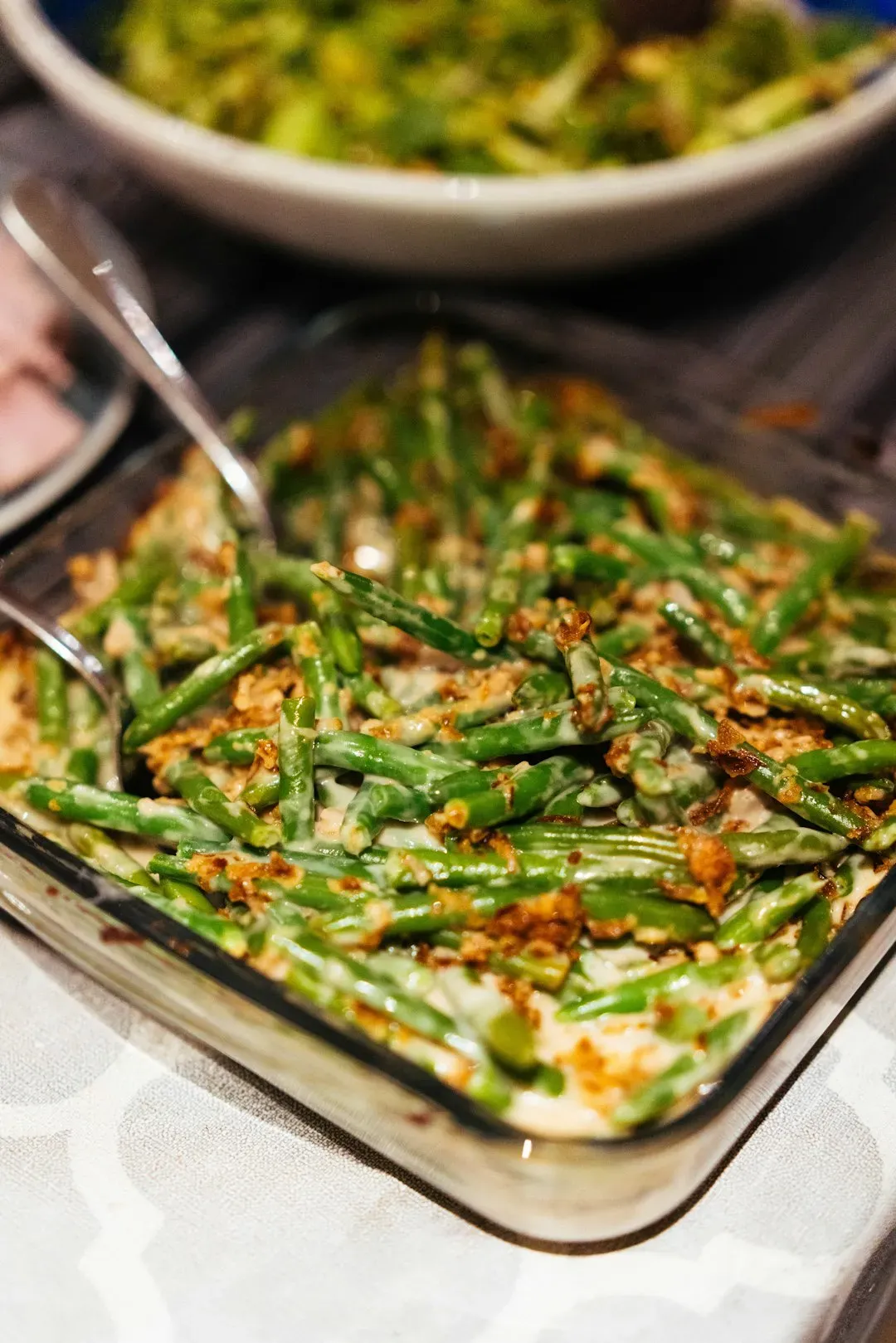
Campbell’s estimated it was served in 20 million Thanksgiving dinners in the United States each year, and that number hasn’t budged much. Campbell’s in 2020 reported their online version of the recipe is viewed 4 million times each Thanksgiving Day. Love it or hate it, this iconic fifties creation still shows up on tables across the country every November. It’s a testament to the power of tradition over taste – though plenty of people genuinely love its creamy, crispy, umami-packed profile. The fact that it’s still such a mainstay shows how deeply these mid-century recipes have woven themselves into American culture.
Chain Restaurants Revive Comfort Food Classics
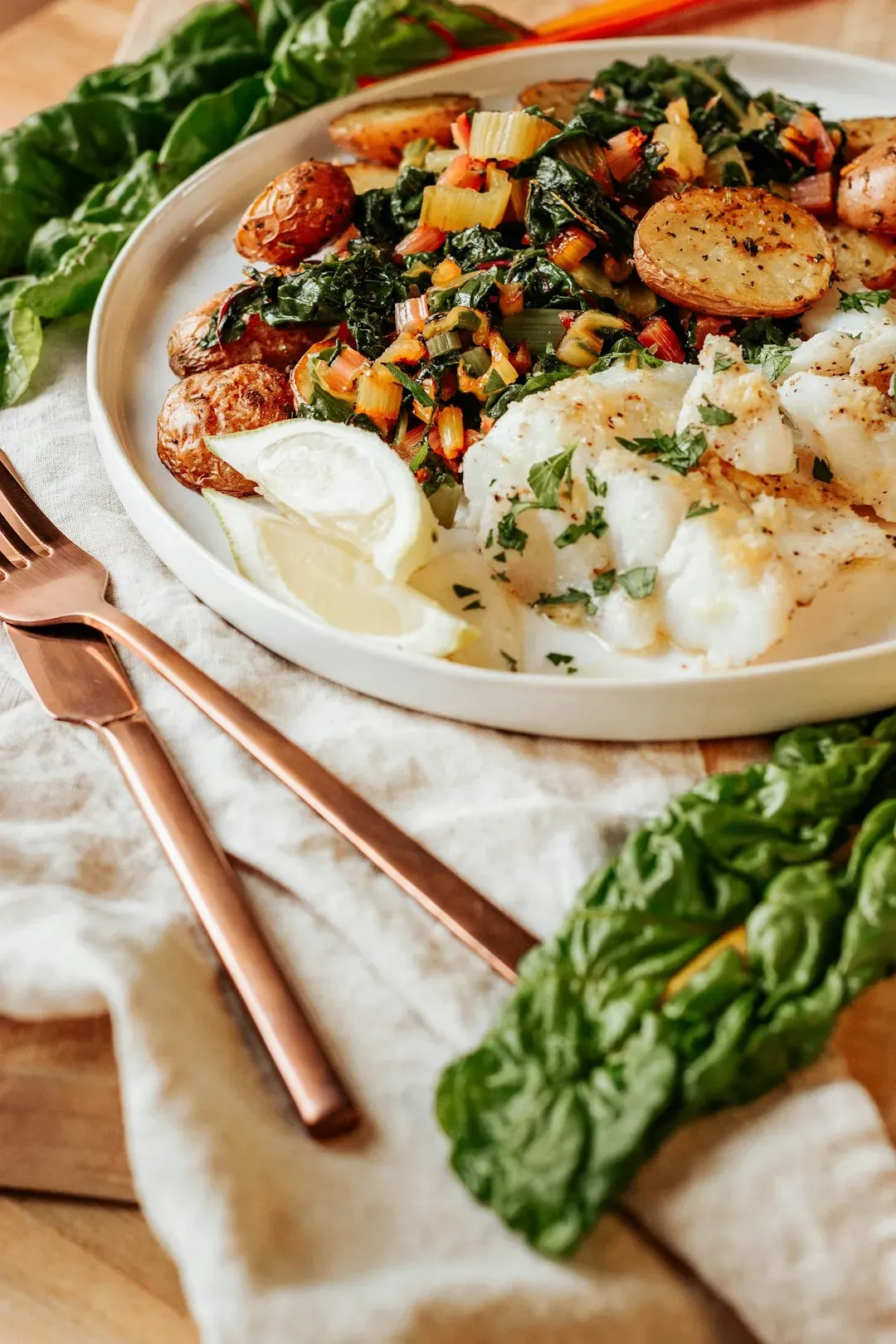
Restaurants are embracing this wave of nostalgia, with comfort foods making a comeback, including kids’ menu-inspired items like jello shots and 1990s-style rainbow sprinkle cakes. Even major chains are paying attention. KFC and similar brands have brought back retro menu items like chicken and waffles, tapping into customer demand for familiar flavors with a modern spin. It’s a smart move. Nostalgia sells, especially when it’s paired with convenience. These aren’t museum pieces; they’re menu items designed to hit that sweet spot between memory and craving.
Boxed Classics Get Seasonal Makeovers
Kraft mac and cheese isn’t going anywhere, but it’s getting dressed up for 2026. Hot honey, garlic Parmesan, and other trendy flavors are being layered onto the same blue-box base that fed generations of kids after school. It’s a clever hybrid – nostalgia meets novelty. The comfort of the familiar combined with just enough newness to feel exciting. Companies know that people want to feel like they’re trying something fresh without straying too far from what they know and love. It’s working.
Social Media Fuels the Revival
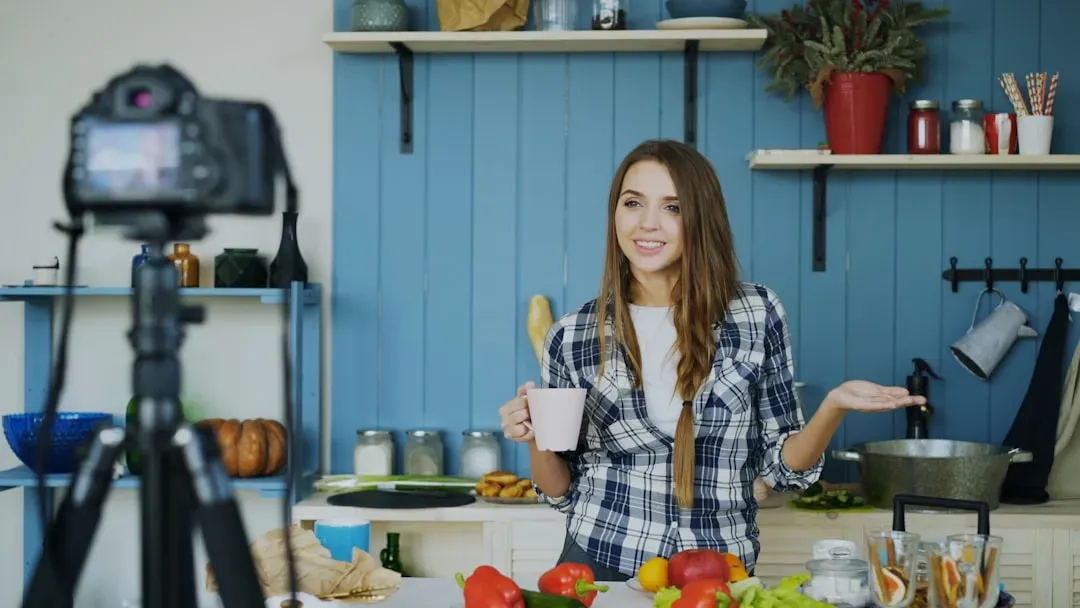
A new study of 5,000 U.S. adults found 77% of Americans now make mealtime decisions based on what’s trending online. That’s a staggering number. The poll found that nearly everyone (93%) regularly encounters food on social media, and food-related posts make up almost 40% of their feeds. TikTok, Instagram, and Pinterest are the new cookbooks, and the algorithms are serving up plenty of retro recipes alongside the latest food hacks. Viral recipes turn familiar comfort foods into trending kitchen projects, and suddenly everyone’s making the same Jell-O mold or Depression-era cake. Social media doesn’t just document food trends – it creates them.
Traditional Recipes Shape Restaurant Menus
The report, based on insights from hundreds of culinary professionals surveyed in October 2025, reveals that nostalgia, comfort and “flavor escapism” are defining consumer desires in 2026. Industry forecasts consistently show that comfort, nostalgia, and simpler traditional recipes are key directions for both home cooking and restaurant menus. It’s not a fleeting fad. Chefs and operators are building entire concepts around the idea that people want to feel something when they eat – and that something is often rooted in memory. Whether it’s a reimagined meatloaf or a throwback dessert, these dishes are anchoring menus because they resonate emotionally, not just gastronomically.
Why This Matters More Than You Think
The return of these recipes isn’t just about food. It’s about identity, community, and finding stability in uncertain times. In this landscape, nostalgia has emerged as a powerful trend, offering consumers the reassuring sense of familiarity they seek, with the desire for flavours that evoke cherished memories or simpler times has grown stronger. When the world feels chaotic, a plate of green bean casserole or a slice of water pie can feel like an anchor. These recipes connect us to our past, to our families, and to a version of America that existed before everything got so complicated. They remind us that good food doesn’t have to be complicated, expensive, or Instagram-perfect. Sometimes it just needs to taste like home.