

There is something almost sacred about standing at the rim of the Grand Canyon at sunrise, or watching a bison herd amble across Yellowstone’s open plains. These are America’s crown jewels, and for generations they have offered a sense of wilderness, solitude, and wonder that is genuinely hard to replicate anywhere else on Earth.
The trouble is, more people know it than ever. Visitor numbers have been climbing steadily for years, and the numbers coming out of the most recent data cycles are, frankly, staggering. So the real question isn’t just whether crowds are growing. It’s whether the experience of visiting a national park is quietly being undermined by its own popularity. Let’s dive in.
Record-Breaking Visitation: The Numbers Are Impossible to Ignore
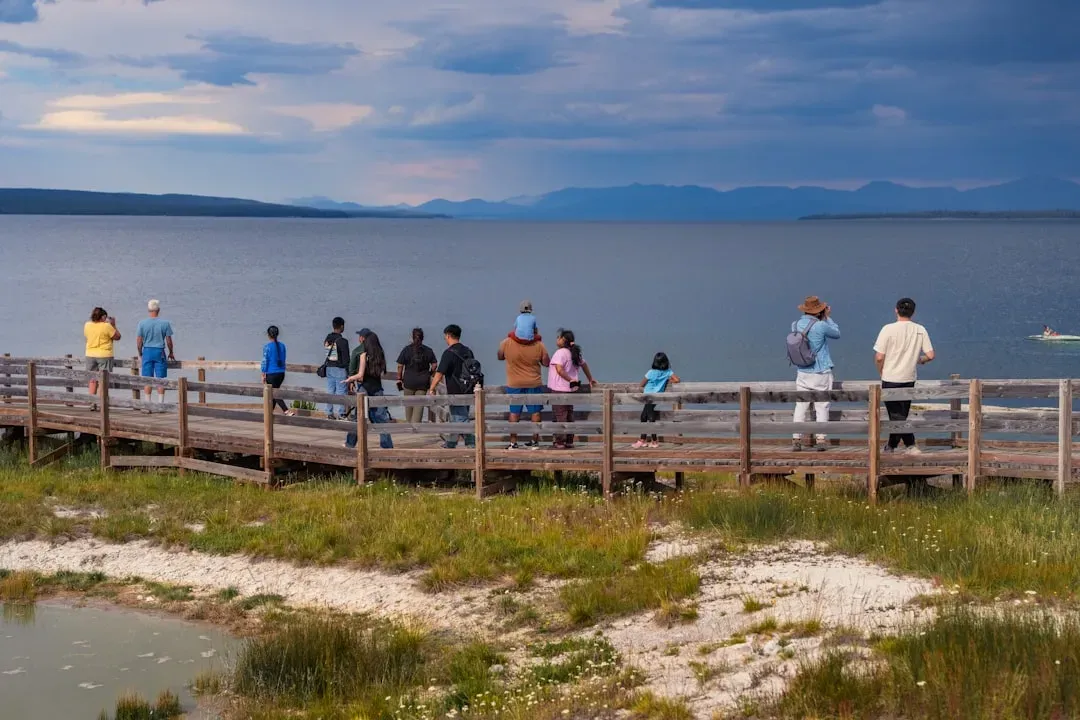
Here is where things get genuinely eye-opening. The National Park Service reported a record 331.9 million recreation visits in calendar year 2024, an increase of more than 6 million visits from 2023. To put that into perspective, that is roughly the entire population of the United States making a park visit every single year. The previous record had been set back in 2016, with just under 331 million recreation visits.
Many traveled during the peak summer tourism season, with June and July being the most popular months, though 55 percent of parks still recorded above-average visitation numbers during slower periods too. The sheer scale of this demand is reshaping how parks operate, how visitors experience them, and frankly, how long some of their natural wonders can withstand the pressure.
The Smoky Mountains Problem: One Park, All the Pressure
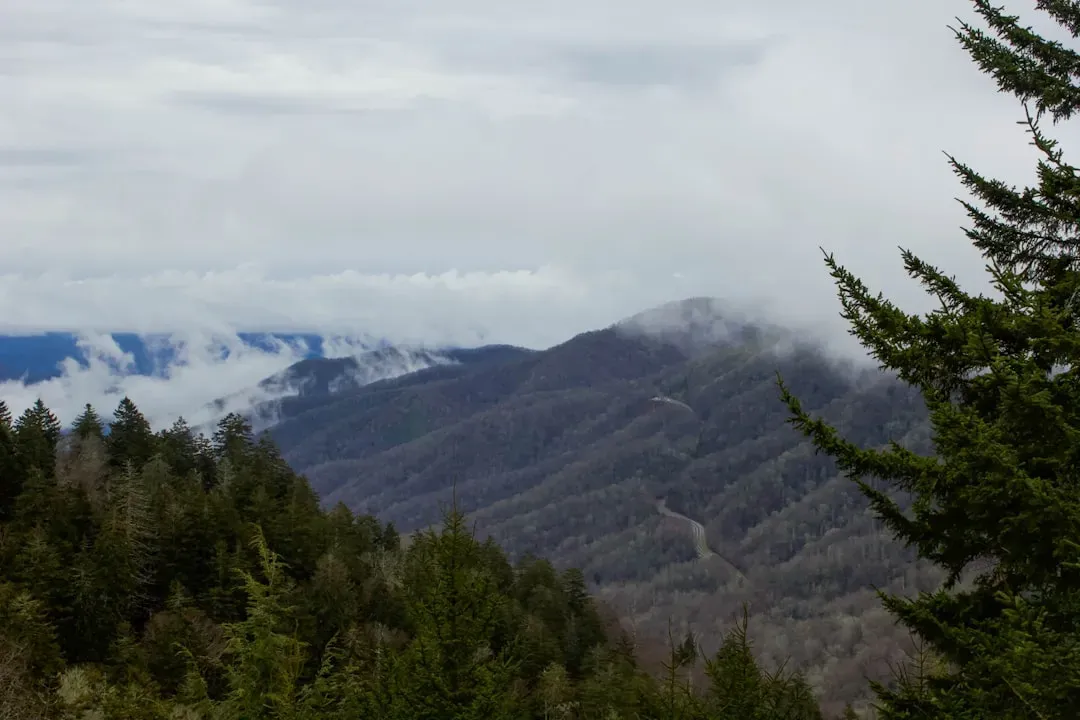
If you want to understand just how uneven the crowding really is, look no further than Great Smoky Mountains National Park. Great Smoky Mountains National Park led all national parks in 2024 with 12,191,834 visits. That is not a typo. One park alone absorbing over twelve million visits in a single year is a logistical feat that strains everything from parking lots to wildlife habitats.
The park has no entrance fee, sits within driving distance of dozens of major population centers, and hugs the border of Tennessee and North Carolina in a way that makes it almost irresistibly accessible. I think it’s worth asking honestly: at what point does a visit to a place this popular stop feeling like a nature escape and start feeling like a theme park queue? The answer, for a lot of visitors who show up on a July weekend, might be somewhere around hour two of sitting in traffic on Newfound Gap Road.
Yellowstone’s Crowds: Bigger Than You Think, Smaller Than You Feel
Yellowstone drew 4,744,353 visitors in 2024. That is a number that reliably shows up in headlines as proof of a crowding crisis. But Yellowstone spans 2.2 million acres, which means that on a per-acre basis, the park is far less congested than its reputation suggests. Yellowstone actually ranks 41st on a per-acre crowding basis, below parks like Mammoth Cave, Wind Cave, and Carlsbad Caverns.
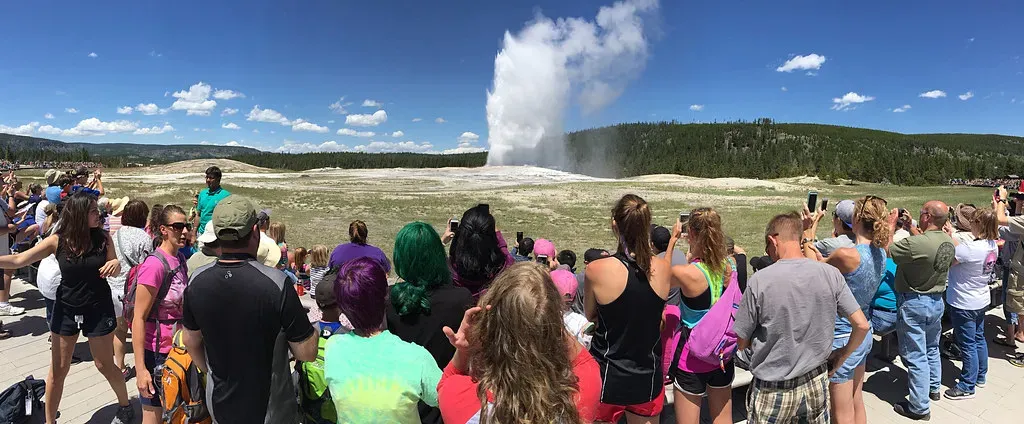
Here’s the thing though. Raw acreage does not capture where the crowds actually go. Yellowstone’s visitors still pack Old Faithful boardwalks and clog the Grand Loop Road in July, and the real bottleneck in those parks is infrastructure rather than raw land area. Crowds concentrate intensely at developed viewpoints and road corridors. So the park may feel enormous on a map, but in practice, most visitors funnel through a handful of the same iconic spots.
A Crumbling Backbone: The Maintenance Crisis Nobody Talks About Enough
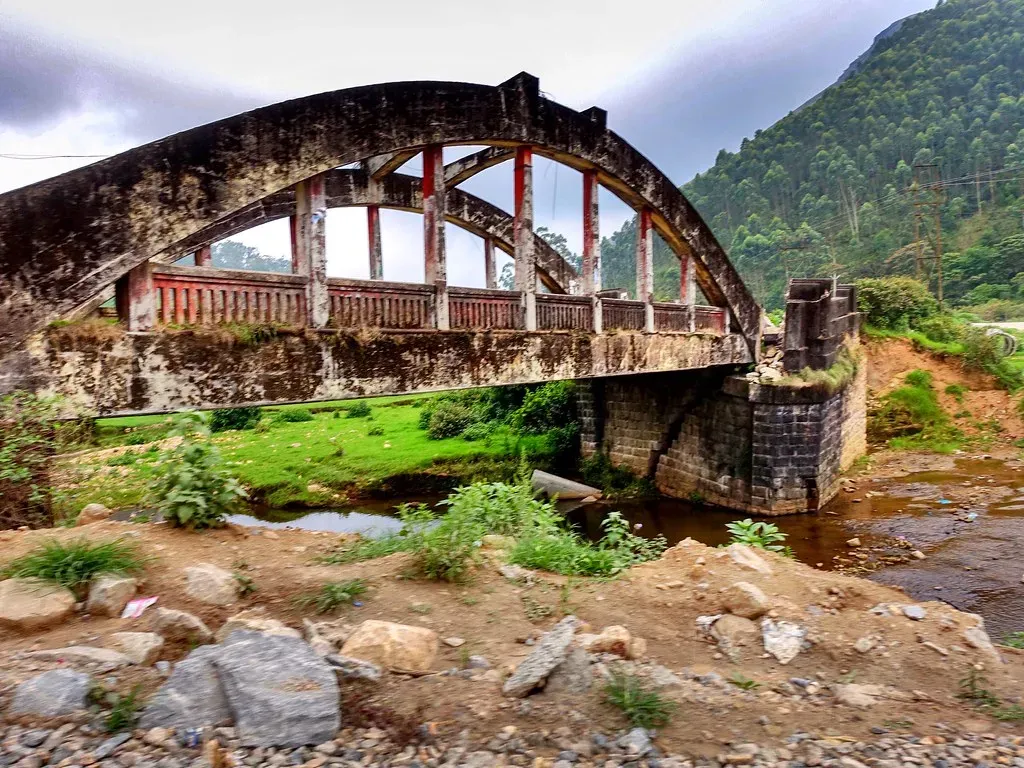
Overcrowding is not just an inconvenience for visitors. It is literally wearing the parks down. At the end of fiscal year 2024, an estimated nearly $23 billion of repair need existed on roads, buildings, utility systems, and other structures and facilities across the National Park System. That is a staggering figure, and it keeps growing despite significant funding efforts.
GAO highlighted that, in the past two years, NPS received more than $3 billion to address its deferred maintenance, yet the backlog rose by nearly $8 billion. Increased visitation during the pandemic to national parks, inflation in construction costs, and material shortages have all stalled maintenance progress, according to agency reports. Roads and trails hammered by tens of millions of footsteps every year simply cannot be repaired fast enough to keep pace with the damage being done.
The Instagram Effect: Is Social Media Fueling the Fire?

Scroll through any travel account on social media and chances are high you will find a breathtaking shot of Zion’s Narrows or the arch-framed sunrise at Bryce Canyon. It turns out all that posting has real-world consequences. A study published in the Proceedings of the National Academy of Sciences found that high social media exposure parks see visitation increase by 16 to 22 percent relative to parks with less exposure.
National parks with high social media exposure saw visitation increases of 16 to 22 percent, according to research from Georgia Tech’s School of Economics, which measured Instagram and Twitter activity. In the Mountain West, this effect was especially pronounced at parks including Bryce Canyon, Grand Teton, Rocky Mountain, Yellowstone, and Zion. It is not all doom and gloom, though. Social media posts with media attachments and positive sentiment generate the largest visitation effects, and some argue the added visitor revenue helps fund the very conservation efforts that keep these places worth visiting.
The Per-Acre Reality: Not All Parks Are Equal
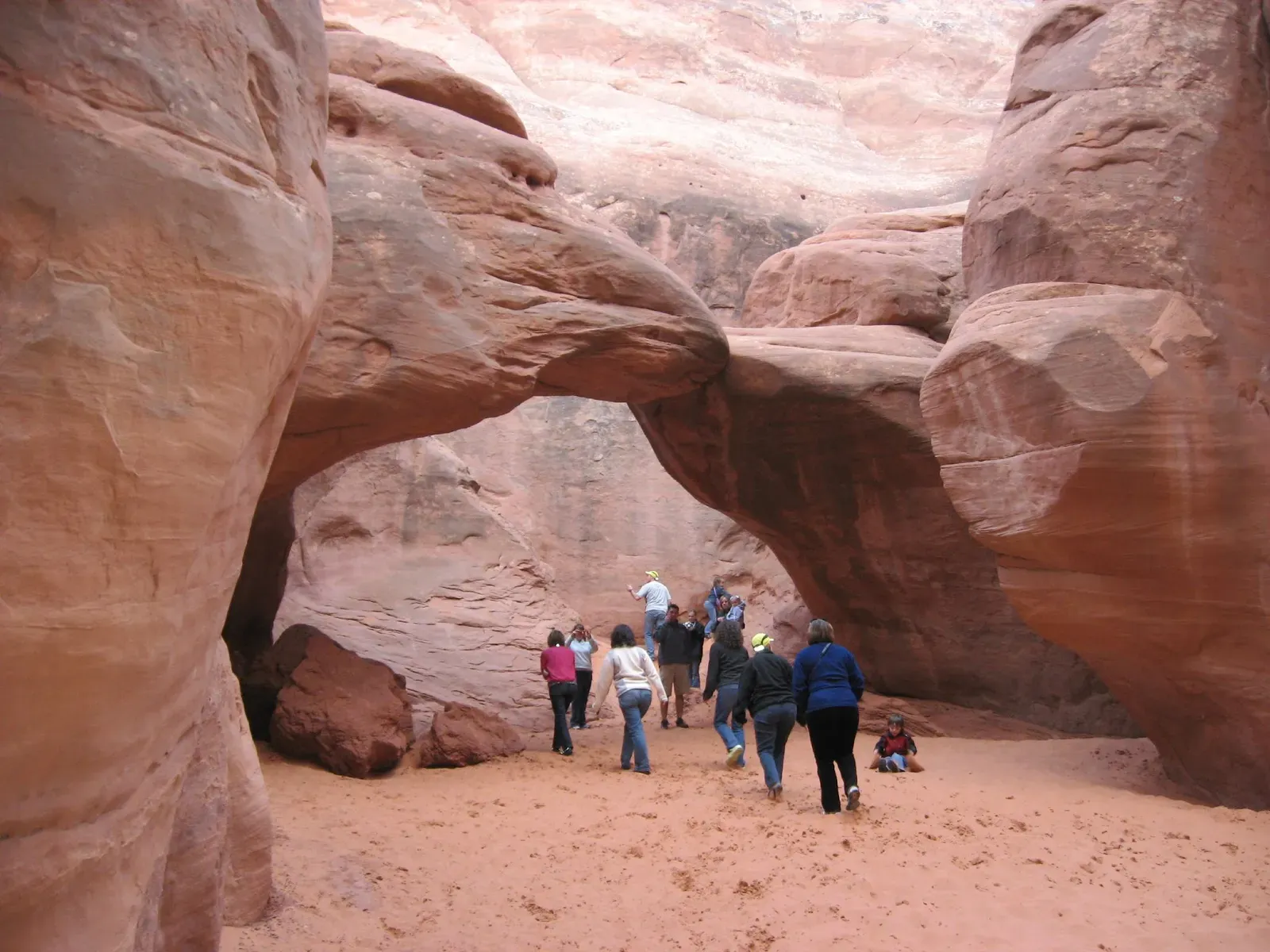
Honestly, one of the most misleading things about the national park crowding debate is how often people treat all parks as if they face the same problem. What does not often get reported is where those hundreds of millions of visitors actually went, and how much space they had when they got there. Yellowstone drew nearly 4.7 million visitors in 2024, while Gates of the Arctic drew just 11,907. That is a difference so dramatic it almost defies belief. Two national parks, existing within the same federal system, experiencing realities that are worlds apart.
An overcrowding analysis using NPS visitor data identified six parks with densities classified as “critical overcrowding,” meaning more than 5.0 visitors per acre during their peak month. Think of it like the difference between a packed elevator and a vast empty warehouse. The total building square footage doesn’t help much when everyone is jammed into one small compartment. That is essentially the crowding problem in miniature.
Timed Entry and Reservation Systems: A Policy Experiment in Progress
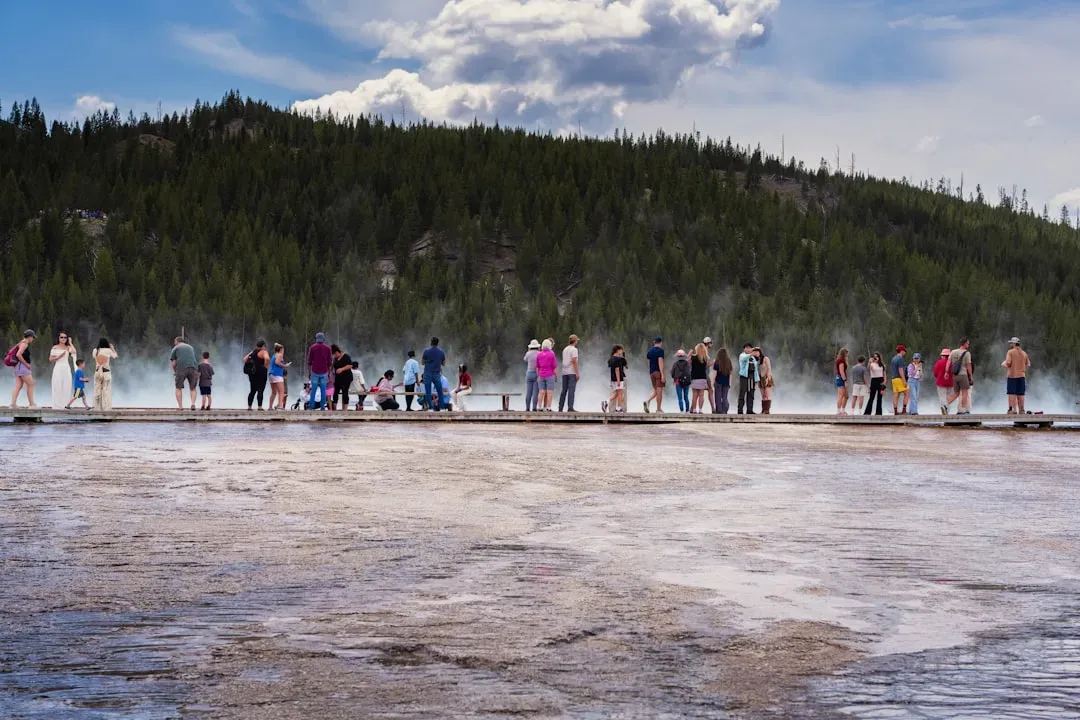
Park managers have not been sitting idle. For several years, a wave of timed-entry reservation systems spread across the most visited parks as managers tried to cap daily visitor numbers and ease congestion. Data and visitor survey results from the 2022, 2023, and 2024 pilots at Arches National Park demonstrated that timed entry reservations better distributed vehicles and visitors throughout the day and provided more reliable and enjoyable access to the park. That sounds like a clear win. So what happened next?
The National Park Service announced in February 2026 that it has eliminated timed entry systems at some of the nation’s most popular national parks, including Arches, Glacier, and Yosemite. Park advocates warned that Yosemite scrapping timed tickets could mean overcrowding and long wait times during summer, and operators and advocates expressed alarm at the decision. The policy pendulum is clearly still swinging, and there is no settled consensus on the right approach.
Wildlife and Ecosystems: The Silent Victims of the Crowd
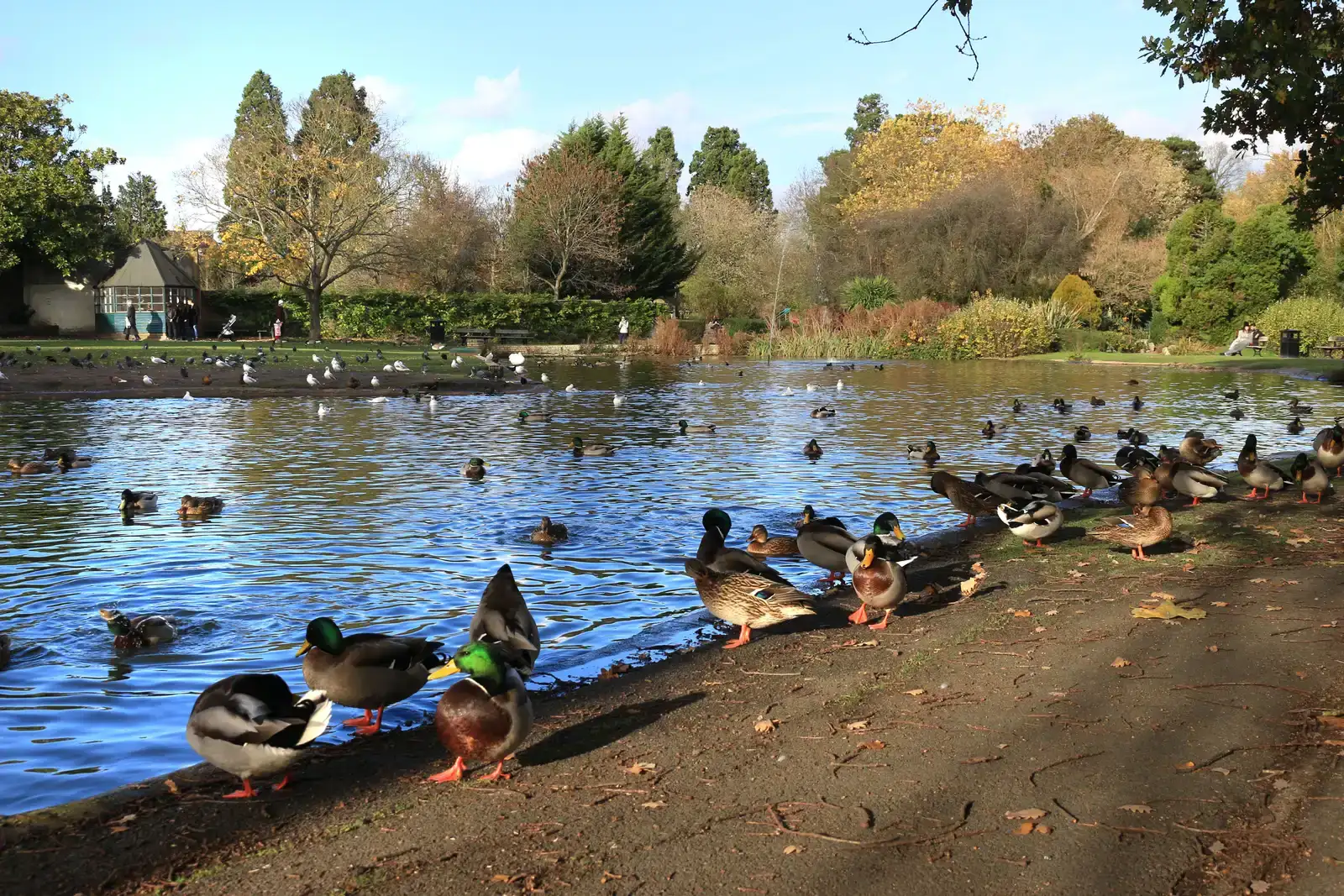
There is a dimension to this story that gets far less attention than traffic jams and parking woes, and that is the impact on the ecosystems and wildlife that make these parks worth visiting in the first place. Ensuring visitors have enjoyable experiences is becoming increasingly challenging in the most popular parks, but the strain extends well beyond visitor comfort. If social media increases visitation, increased demand can generate private and social costs such as overcrowding, congestion, and environmental degradation.
More visitors can lead to overcrowding, environmental degradation, increased traffic congestion in the parks, which might also lead to poor air quality and a generally negative experience for others, according to researchers who have studied the phenomenon. Animal behavioral disruptions, soil erosion along overused trails, and damage to fragile ecosystems in places like alpine meadows are consequences that cannot easily be reversed simply by fixing a parking lot or adding a shuttle bus.
28 Parks Set New Records in 2024: The Spread of Crowding
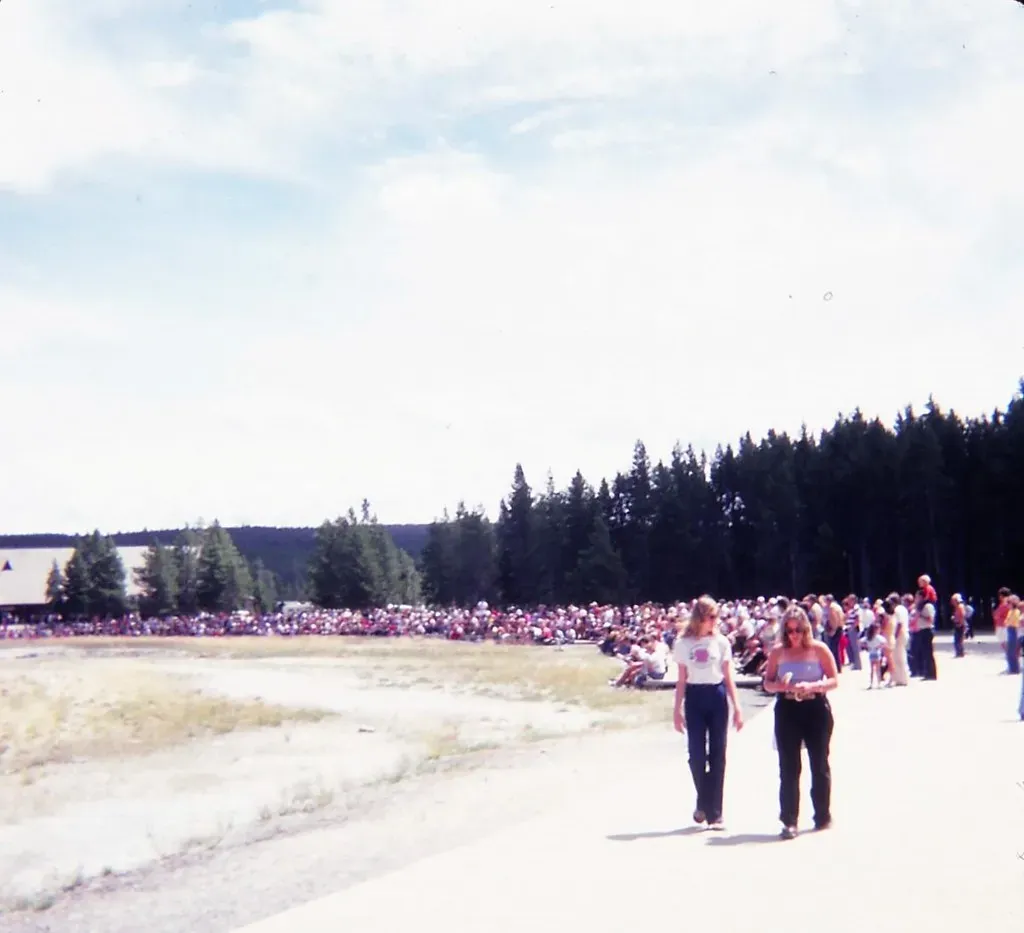
Here is a detail that really changes the picture: the crowding problem is not just intensifying at already-popular parks. It is spreading. Travelers spread out geographically, with 28 parks setting new visitation records in 2024. National parks remained the most popular type of NPS-managed sites, making up more than a quarter of all recreation visits. This means that parks once considered hidden gems or off-the-beaten-path alternatives are now catching up to the big names.
One park saw visitor numbers grow from roughly 1.75 million in 2019 to over 2.7 million in 2024, a more than 50 percent increase, making it the fastest-accelerating overcrowding story in the entire system. When formerly quiet parks start experiencing dramatic visitor surges, it suggests the problem is systemic rather than limited to a few famous destinations. There may not be enough lesser-known parks left to absorb the overflow.
Staffing Cuts, Shrinking Workforce: A Crisis Within a Crisis
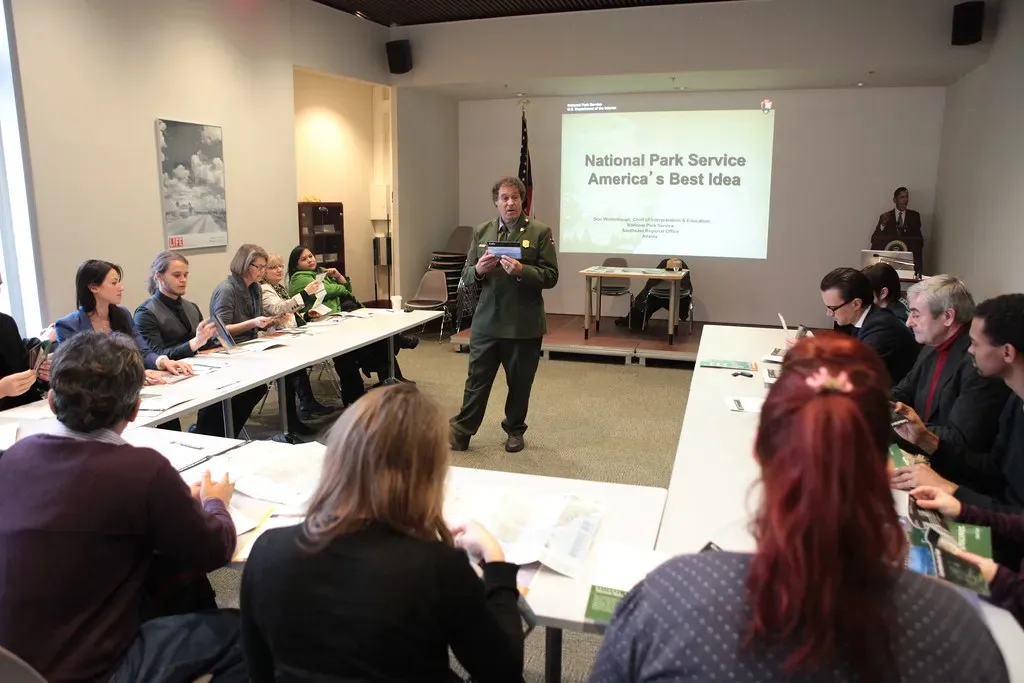
Record visitation is happening at the same time the National Park Service is facing serious workforce challenges. In February 2025, around 1,000 NPS employees were fired, with only a few hired back despite two court orders. Losing experienced rangers, maintenance workers, and visitor services staff at exactly the moment parks are seeing their highest-ever foot traffic is a deeply troubling combination.
The Park Service has not been able to keep up with fixed costs and has steadily been losing staff while visitation goes up, and that makes it challenging to keep up with maintenance. With staffing already down at parks like Yosemite, the decision to remove timed vehicle reservations has the potential to overwhelm remaining park staff and cause further damage. It is hard to escape the conclusion that these two pressures, more visitors and fewer staff, are on a collision course. Think of it like a restaurant simultaneously doubling its table count and cutting half its kitchen crew. Something will break.
Conclusion: Love Them, Don’t Lose Them
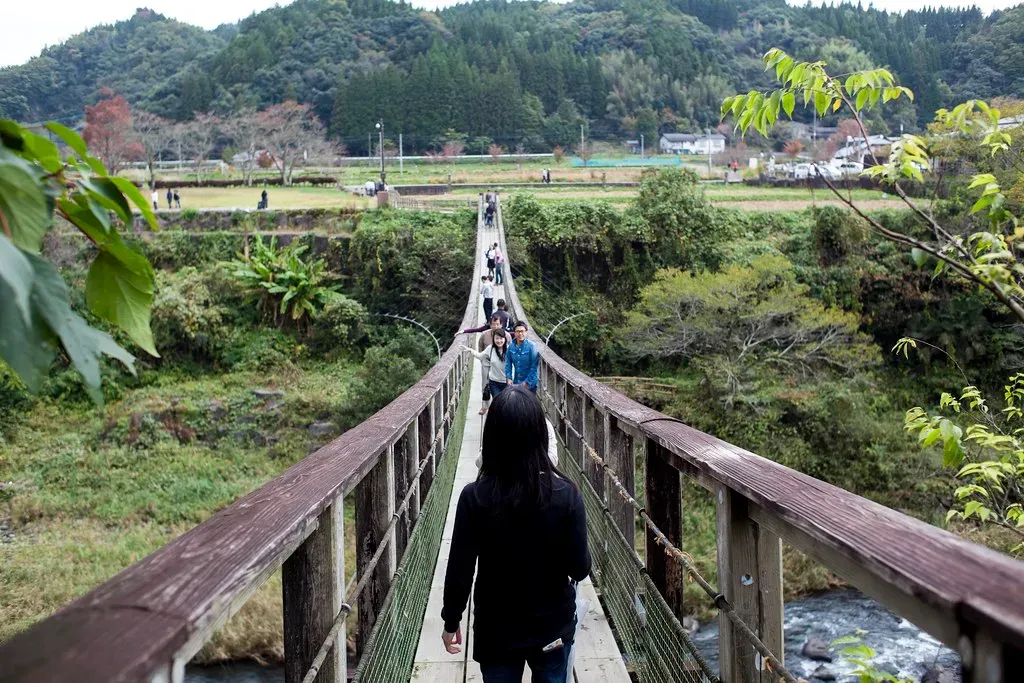
The honest truth is that America’s national parks are not yet ruined. Surveys consistently show that the vast majority of visitors still report positive experiences even at the busiest parks, and there are still hidden corners of the system where genuine solitude is absolutely possible. Backcountry permits in Yellowstone often go unused even in peak season, and visitors willing to hike more than a mile from a parking lot will find the famous parks offer more elbow room than their reputations suggest.
Still, the trajectory is concerning and the warning signs are real. A nearly $23 billion maintenance backlog, shrinking staff numbers, record crowds concentrated at a small number of iconic spots, and the gradual erosion of ecosystems that cannot simply be rebuilt: these are not small problems. Visitation in the US National Park system peaked in 2024 with 331 million visitors, but some of the most visited parks have received even bigger post-pandemic increases, leading to overcrowding, long waits, congestion on trails, and overflowing parking lots.
The national parks were created with a mandate to preserve them unimpaired for future generations. Meeting that mandate while also welcoming tens of millions of new visitors every year is not an impossible challenge, but it is one that demands serious investment, thoughtful policy, and a willingness to make hard choices. The question worth sitting with is this: what kind of parks do we want to hand to the next generation, and are we currently on track to deliver them?
What do you think? Are crowds ruining the magic of national parks, or is there still enough wilderness out there for everyone? Share your thoughts in the comments.