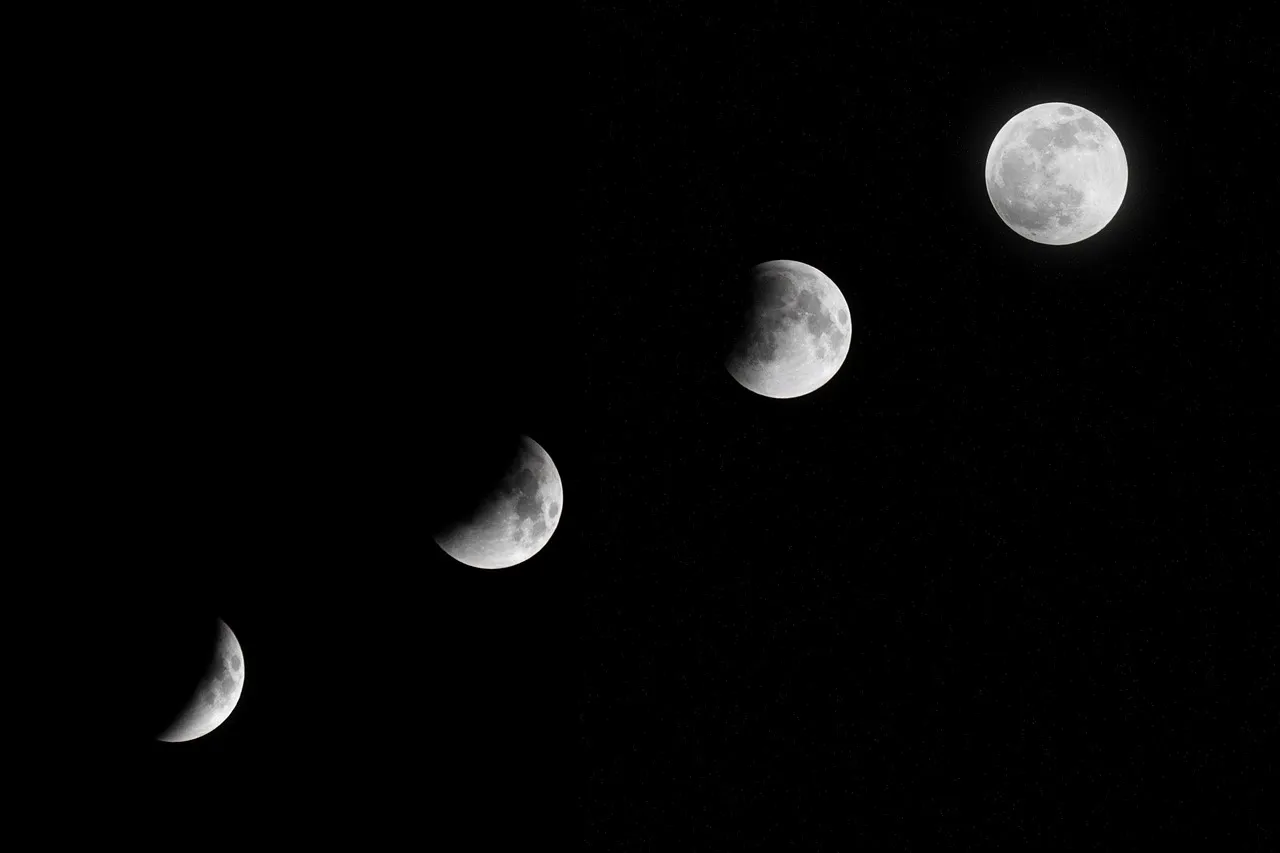
Shattering a 55-Year-Old Record (Image Credits: Pixabay)
Washington, D.C. – NASA’s Artemis II crew ventured farther from Earth than any humans before, eclipsing Apollo 13’s long-standing record during a daring lunar flyby. The four astronauts aboard the Orion capsule captured unprecedented views of the moon’s far side and witnessed a total solar eclipse from their unique vantage point. This test flight marked NASA’s first crewed lunar mission since 1972, paving the way for future landings near the moon’s south pole.
Shattering a 55-Year-Old Record
The Orion spacecraft reached a peak distance of 252,756 miles from Earth, surpassing Apollo 13’s 1970 mark by 4,101 miles. That earlier mission had aborted its landing due to an oxygen tank explosion, relying on a similar gravitational slingshot for the return. Artemis II executed the same free-return trajectory, a fuel-efficient path shaped like a figure-eight between Earth and the moon.
Canadian astronaut Jeremy Hansen captured the moment’s awe during radio contact with Mission Control. “It is blowing my mind what you can see with the naked eye from the moon right now. It is just unbelievable,” he reported. Hansen urged future explorers to quickly eclipse the new benchmark.
Celestial Spectacle Unfolds
As the crew swung behind the moon, a total solar eclipse unfolded before their eyes, with the lunar disk blocking the sun completely. Planets including Mercury, Venus, Mars, and Saturn dotted the starry backdrop. Apollo 12 and 14 landing sites appeared as faint scars on the surface, evoking NASA’s pioneering era.
The flyby peaked at 4,067 miles from the moon’s surface, where the spacecraft hit 3,139 mph. An Earthrise soon dominated the view, showcasing Asia, Africa, and Oceania. Mission Control confirmed the return leg with a simple declaration: “We are Earthbound and ready to bring you home.”
Apollo Echoes in Modern Mission
Before the flyby, Apollo 13 commander Jim Lovell sent a prerecorded message from two months prior to his death. “Welcome to my old neighborhood,” Lovell said, recalling his flights on Apollo 8 and 13. “It’s a historic day and I know how busy you’ll be, but don’t forget to enjoy the view.”
Commander Reid Wiseman, pilot Victor Glover, mission specialist Christina Koch, and Hansen carried an Apollo 8 silk patch as a tribute. “It’s just a real honor to have that on board with us,” Wiseman noted. President Donald Trump later called the crew “modern-day pioneers,” praising their achievement and hinting at Mars ambitions ahead.
Intense Lunar Science and Personal Tributes
The seven-hour observation window dominated the 10-day flight, with the crew photographing over two dozen targets using Nikon cameras and iPhones. They targeted features like the vast Orientale Basin, spanning nearly 600 miles with its concentric rings. NASA geologist Kelsey Young anticipated thousands of images for analysis.
Emotion peaked when the astronauts requested names for two fresh craters: Integrity for their capsule and Carroll for Wiseman’s late wife. Wiseman teared up during the call, leading to a group embrace. Koch described a sudden pull toward the landscape: “Something just drew me in suddenly to the lunar landscape and it became real.” Glover reflected on the view during Holy Week, calling Earth an oasis in the universe and stressing human unity.
The mission echoed Apollo 8’s 1968 orbit more than Apollo 13’s detour. It precedes Artemis III’s docking tests next year and a 2028 south pole landing on Artemis IV. Splashdown off the Pacific awaited on Friday.
Key Takeaways
- Artemis II set a new human distance record at 252,756 miles from Earth.
- Crew witnessed a solar eclipse, planets, and Apollo sites during flyby.
- Emotional nods to Apollo history included Lovell’s message and a symbolic patch.
This lunar milestone reignited dreams of sustained moon exploration, bridging past triumphs with tomorrow’s ambitions. What are your thoughts on humanity’s return to the moon? Share in the comments below.