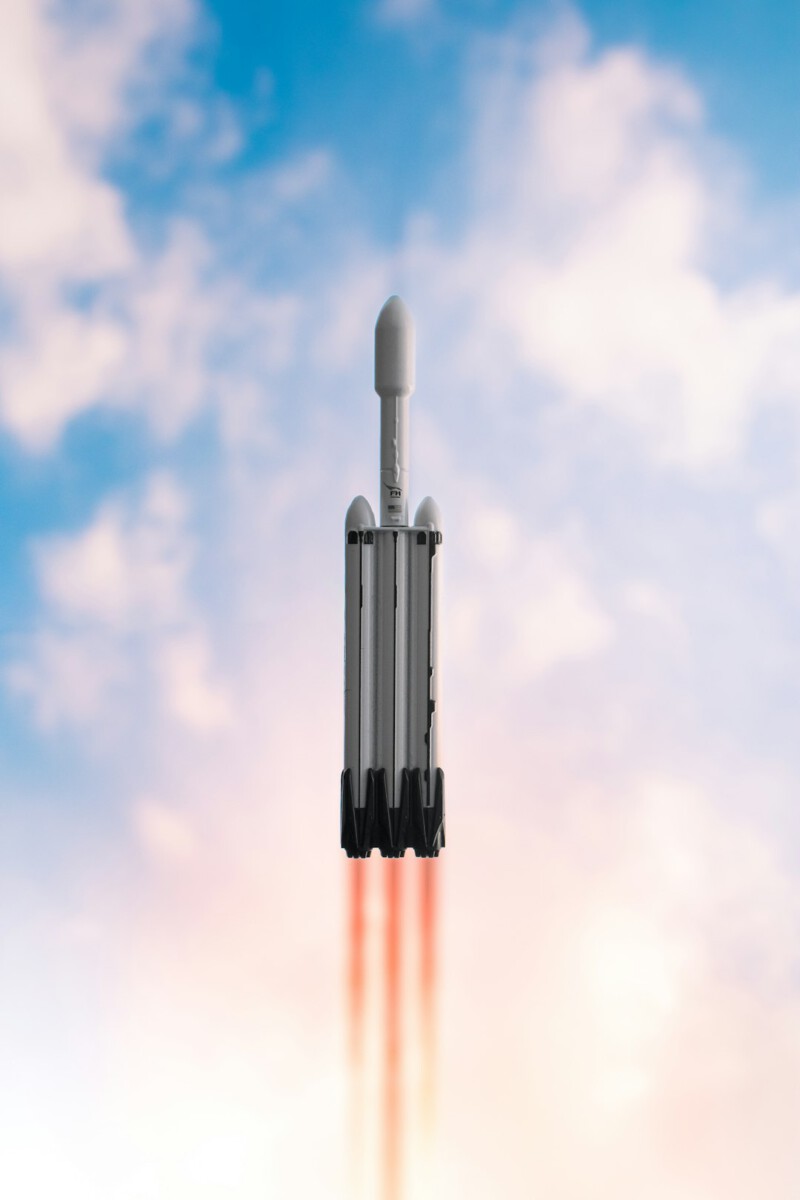
Artemis II Prepares for Crewed Lunar Flyby (Image Credits: Unsplash)
Kennedy Space Center, Florida — NASA’s towering Space Launch System rocket, stacked with the Orion spacecraft for the Artemis II mission, completed its return to Launch Pad 39B last week after undergoing repairs. The rollout on March 20 set the stage for a potential liftoff as early as April 1, reigniting excitement for humanity’s return to deep space. This development coincides with the agency’s recent announcement of a $20 billion initiative to build a permanent moon base, while a recent commercial rocket launch offered spectators a breathtaking predawn spectacle.[1][2]
Artemis II Prepares for Crewed Lunar Flyby
The 322-foot rocket’s journey from the Vehicle Assembly Building to the pad covered four miles in a deliberate procession, drawing crowds to witness the historic moment. Engineers had addressed issues identified during prior testing, ensuring the vehicle met stringent safety standards for its crewed flight.[3]
Artemis II will send four astronauts on a 10-day mission around the Moon, testing systems critical for future landings. The crew, now in quarantine preparations, represents NASA’s first crewed deep space venture since Apollo. Launch windows open in early April, with backups extending through the month.[4][5]
NASA’s Ambitious $20 Billion Moon Base Vision
Building on the Artemis program’s momentum, NASA revealed plans for a lunar surface outpost estimated at $20 billion over seven years. The base aims to support sustained human presence, starting integrations with Artemis III landings targeted for later this decade.[6][7]
This initiative includes advanced habitats, resource utilization technologies, and partnerships with private firms. Officials emphasized its role in preparing for Mars exploration, positioning the Moon as a proving ground for long-duration missions. The announcement underscored a shift toward permanent infrastructure beyond temporary visits.[8]
Spectacular Falcon 9 Launch Captivates Onlookers
Earlier this month, SpaceX’s Falcon 9 rocket pierced the predawn sky from Cape Canaveral, deploying 29 Starlink satellites and creating a vivid “jellyfish” exhaust plume visible across Florida. Viewers from beaches and inland spots captured the glowing trail, which danced in the atmosphere before sunrise.[9]
- The March 3 launch marked the 600th Starlink satellite orbited in 2026.
- Its plume effect resulted from exhaust interacting with upper atmospheric layers.
- Spectators described the sight as mesmerizing, highlighting Florida’s prime launch-viewing vantage points.
- Multiple Falcon 9 missions in recent weeks have offered similar public displays.
These commercial successes complement NASA’s efforts, demonstrating reliable access to orbit amid growing launch cadence.[10]
Key Milestones in the Evolving Space Landscape
The convergence of these events signals accelerating progress in lunar exploration. Artemis II’s rollout resolves prior setbacks, including fuel system checks that pushed timelines.[11] NASA’s moon base blueprint invites international collaboration, while frequent Falcon 9 flights normalize space access for satellite constellations.
| Event | Date | Significance |
|---|---|---|
| Artemis II Rollout | March 20, 2026 | Readies for April crewed launch |
| Moon Base Plan | March 2026 | $20B permanent outpost |
| Falcon 9 Starlink | March 3, 2026 | 600th satellite, visual spectacle |
Such advancements not only advance science but also inspire global interest in space.
Key Takeaways:
- Artemis II targets April 1 launch after pad return.[4]
- $20 billion moon base to enable sustained presence.
- Falcon 9 launches provide stunning public views, boosting orbital capabilities.
As these missions unfold, they pave the way for humanity’s multi-planetary future. What aspect of these developments excites you most? Share in the comments.