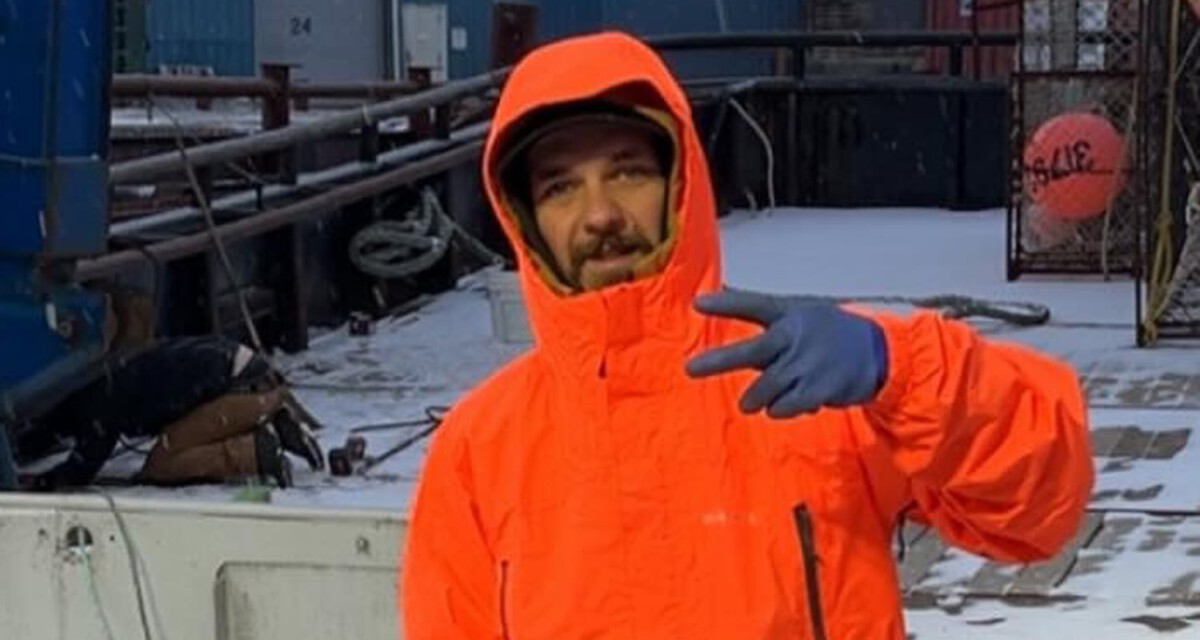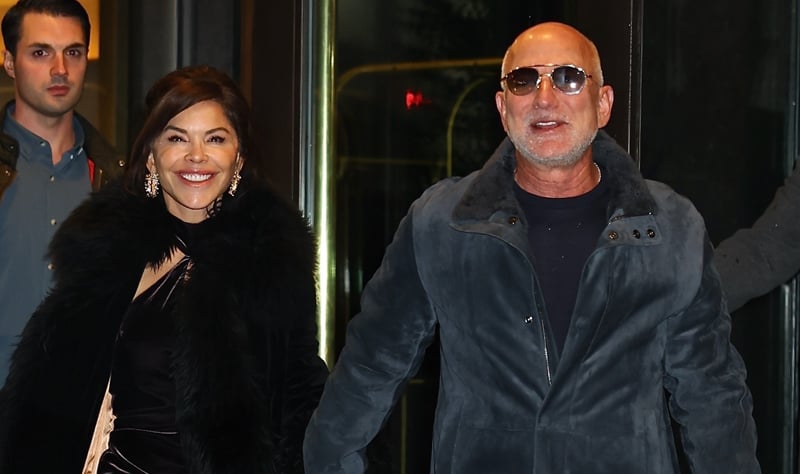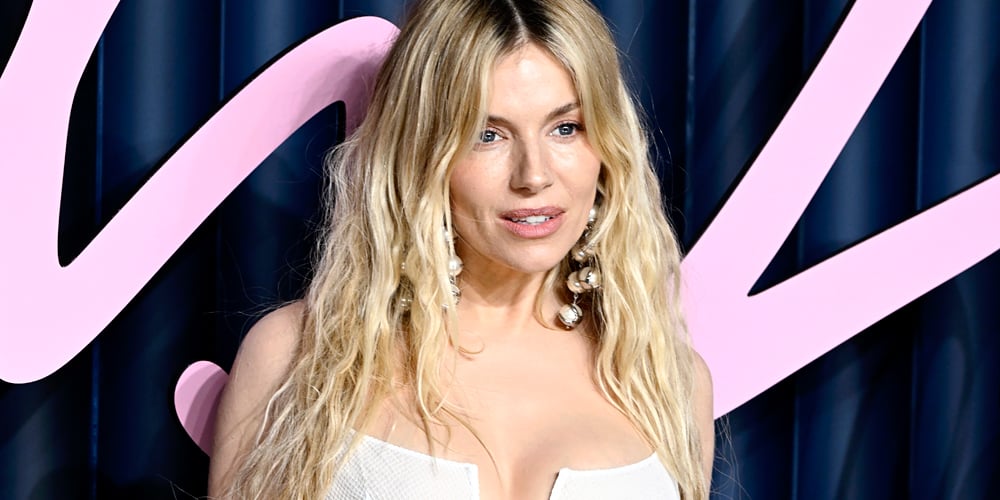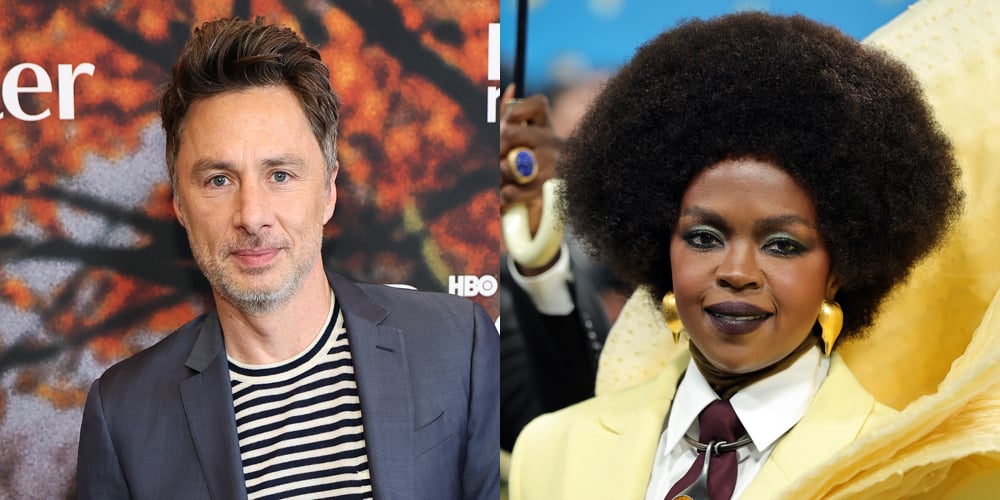
The Shocking Broadcast Moment (Image Credits: Bossip.com)
London – A racial slur broadcast live during the 2026 BAFTA Film Awards ignited fierce discussions on disability, race, and institutional responsibility.[1][2]
The Shocking Broadcast Moment
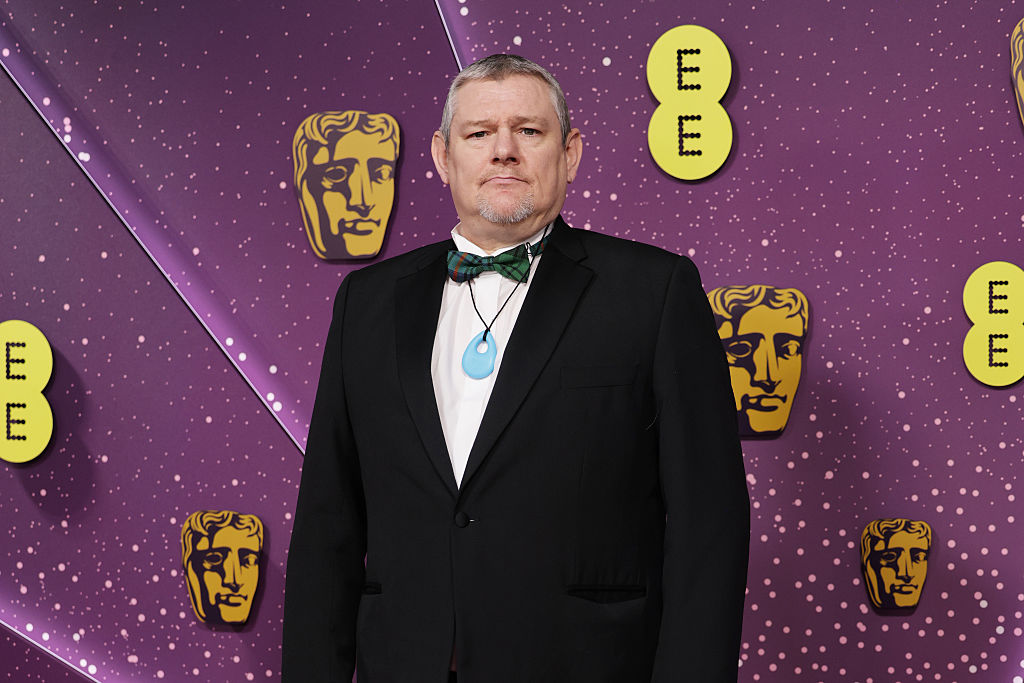
John Davidson, a longtime Tourette syndrome campaigner, shouted the N-word involuntarily as actors Michael B. Jordan and Delroy Lindo presented the first award of the evening.[1] The incident occurred early in the ceremony at the Royal Festival Hall, where Davidson attended as executive producer of the nominated film I Swear, based on his life with the condition.[3]
Organizers had warned the audience about his tics beforehand, yet the slur reached viewers via the BBC broadcast, which aired on a two-hour delay without initial editing.[1] Davidson, who left the auditorium early to watch from a screen, later described himself as deeply mortified that anyone viewed the tic as intentional.[4]) Coprolalia, affecting about 10 to 30 percent of those with Tourette syndrome, produces such uncontrollable outbursts, unrelated to personal beliefs.[5]
Davidson’s Statement Draws Criticism
On March 1, Davidson posted on Facebook, thanking supporters for standing by him and the Tourette community during a difficult week.[2] He wrote, “Whilst I will never apologize for having Tourette syndrome, I will apologize for any pain, upset and misunderstanding that it may create.”[2]
Critics argued the response fell short by not directly addressing Jordan, Lindo, or the specific harm inflicted on Black attendees.[6] Some observers noted it prioritized his distress over the trauma triggered for others, fueling accusations of insufficient accountability despite the involuntary nature of the tic.[5] Supporters, however, praised his candor in refusing to stigmatize the condition itself.
Institutional Responses Under Fire
BAFTA issued a statement acknowledging the profound harm and apologizing unreservedly to Jordan, Lindo, and all affected.[3] The organization took full responsibility for the situation and committed to learning from it while upholding inclusion.[1]
The BBC apologized for failing to edit the slur before broadcast and removed the ceremony from iPlayer.[1] Figures like actor Jayme Lawson condemned both entities for exploitation, stating, “That man’s disability got exploited that night. And it led to multiple offenses. That’s the BAFTAs fault. And then the BBC to air what they aired is careless.”[2] Lindo later expressed appreciation for public support at the NAACP Image Awards.[2]
Voices from Affected Communities
Black advocates with Tourette syndrome highlighted the dual harm: threats to the disability community alongside racial trauma.[5] One noted the broadcast’s intentionality amplified damage, affecting both groups uniquely.[5]
- Jamie Foxx called the incident unacceptable on social media.
- Wendell Pierce demanded immediate apologies to the presenters.
- Hannah Beachler reported multiple slurs that evening, criticizing vague apologies.
- Delroy Lindo wished for direct outreach from BAFTA afterward.
Davidson’s decades of advocacy, including his 2019 MBE honor, added layers to the discourse.[4])
Key Takeaways
- Tics like coprolalia are involuntary and do not reflect beliefs.
- Institutional choices amplified the harm beyond the individual.
- Calls grow for better accommodations at high-profile events.
The BAFTA incident exposed tensions between promoting disability visibility and safeguarding diverse audiences from trauma. As conversations continue, the focus remains on empathy across communities. What steps should awards shows take next? Share your thoughts in the comments.