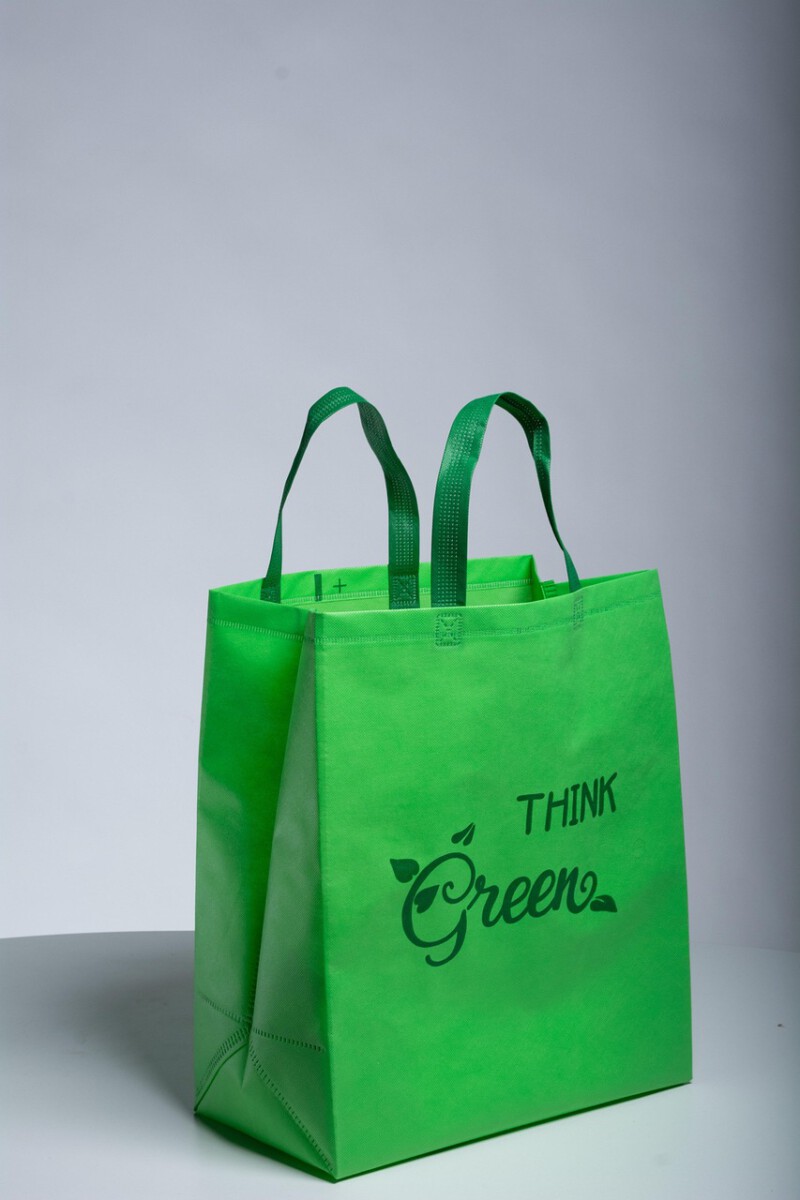
Astonishing Reductions in Everyday Use (Image Credits: Pixabay)
Retailers and governments turned to modest charges on single-use plastic bags to tackle mounting environmental concerns and nudge shoppers toward greener options.
Astonishing Reductions in Everyday Use
Supermarkets in England handed out 98 percent fewer plastic carrier bags after a 5p charge took effect in 2015, dropping from 7.6 billion annually to just 133 million by 2022.[1] The policy expanded in 2021 with a 10p fee across all retailers, yielding another 35 percent decline in usage. Shoppers now average two such bags per person each year from major chains. This shift occurred rapidly, with all age, gender, and income groups cutting back within one month of implementation.[2]
Behavioral changes proved consistent across demographics, as surveys and observations confirmed. Frequency of bag use fell sharply, while own-bag carrying rose in tandem. Interviews revealed simple habit tweaks, like keeping reusables in cars, sustained habits over six months.
Clear Gains for Shorelines and Wildlife
Plastic bag policies across the U.S. cut the share of bags in shoreline cleanup hauls by 25 to 47 percent compared to unregulated areas.[3] Researchers analyzed data from 45,067 cleanups between 2016 and 2023, using difference-in-differences methods to track trends before and after policy adoption. State-level measures showed the strongest, most reliable effects, with no rebound over time.
Fees appeared slightly more potent than outright bans in some analyses, though both curbed litter effectively.[4] Reductions grew larger in high-litter zones and persisted along coasts, rivers, and lakes. Such drops likely lowered risks to marine life, as bags rank high among ingested plastics harming turtles and whales.
How Fees Reshape Shopper Habits
Shoppers adapted swiftly, boosting reusable bag use and hand-carrying items. In San Mateo County, California, reusable adoption at retailers jumped 162 percent post-ban.[5] Mountain View saw no-bag customers nearly triple, with a paper bag fee later slashing those by 67 percent. Policies disrupted convenience-driven choices without demographic divides.
Support for broader measures spilled over; England’s charge boosted backing for fees on bottles and packaging.[2] This awareness fostered lasting eco-friendly norms, as habits solidified beyond initial compliance.
Proven Examples from Cities and States
Bans in New Jersey, Vermont, Philadelphia, Portland, Oregon, and Santa Barbara, California, eliminated about 6 billion single-use bags yearly across 12 million residents.[5] Similar policies could avert 300 bags per person annually. Litter fell by at least one-third in studied areas, promoting reusables over single-use alternatives.
- England’s charge: 98 percent supermarket drop, billions diverted from landfills.
- U.S. shorelines: 25-47 percent less bag litter post-policy.[3]
- California locales: Reusables surged, paper use curbed with added fees.
- State bans like Colorado and Rhode Island: Recent expansions building on early successes.
Key Takeaways
- Bag fees deliver quick, broad reductions in plastic use across all groups.
- Shoreline litter drops 25-47 percent, aiding wildlife.
- Billions of bags saved yearly, with spillover support for wider policies.
Bag fees demonstrated their power to transform waste patterns and consumer mindsets with minimal friction. Retailers benefited from streamlined operations and aligned with rising eco-demands. As plastic pollution pressures mount, these policies offer a blueprint for scalable change. What role should businesses play next in this shift? Share your thoughts in the comments.