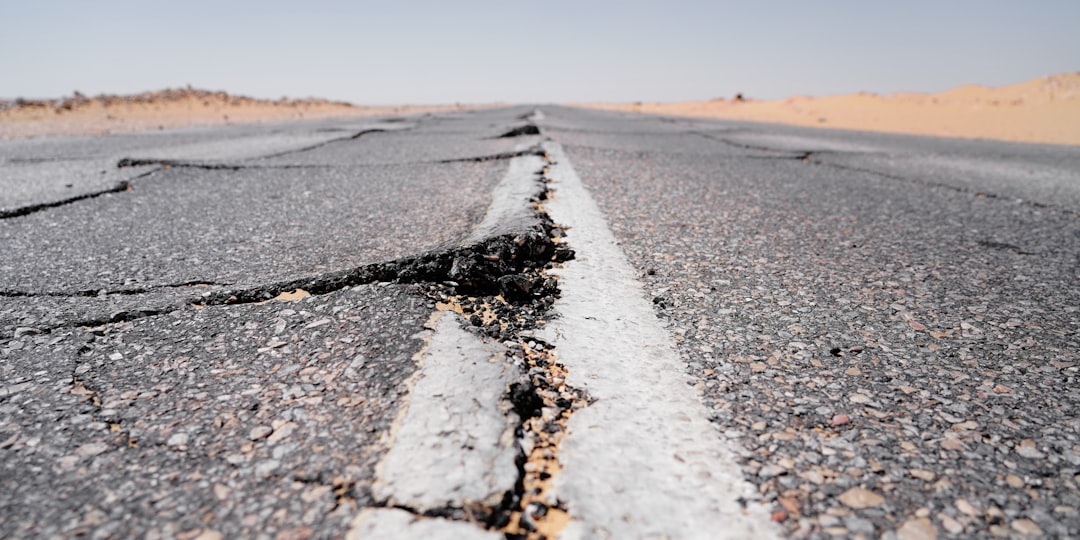


A Sudden Burst of Shakes Hits Home (Image Credits: Unsplash)
San Ramon – The East Bay suburb feels the earth’s subtle pulses under overcast December skies, a reminder that the ground beneath isn’t always still.
A Sudden Burst of Shakes Hits Home
Imagine sipping your morning coffee when the table starts to jiggle. That’s the reality for San Ramon residents right now. Over the past few weeks, clusters of small earthquakes have popped up, with Monday alone bringing at least 19 jolts measuring 2.0 or higher. These aren’t isolated events; they’re part of a swarm that’s kept seismologists on alert.
The latest round kicked off in early November and hasn’t let up. A magnitude 3.6 quake rattled the area just yesterday, followed by smaller ones throughout the day. Folks from Danville to Oakland reported feeling the shakes, but no major damage so far. Still, it’s enough to make anyone wonder what’s brewing below.
Spotlight on the Calaveras Fault
This fault line might not get as much fame as the San Andreas, but it’s no slouch. Stretching about 75 miles through the East Bay, the Calaveras has a history of delivering punches. It powered two magnitude 6.2 quakes in the last century, and experts say it could unleash something up to 6.7 or bigger.
Recent swarms trace right back to it, centered near San Ramon. Geologists point out that these tremors cluster along the fault’s northern end, where pressure builds over time. It’s part of the larger San Andreas system, so activity here often ties into broader tectonic drama in California.
Why Do Earthquake Swarms Happen?
Swarm isn’t just a scary word; it’s a real seismic pattern. Unlike a single big quake followed by aftershocks, swarms involve bursts of smaller events over days or weeks. In San Ramon, fluid movement underground or stress shifts along the fault likely trigger them, like steam building in a pressure cooker.
These episodes aren’t rare here. Back in November, around 90 quakes hit the area in just a few weeks, topping out at 3.8. Scientists call it a “staccato” rhythm – quick, repeated jolts that can last. While they don’t always lead to something huge, they signal the earth’s restless nature.
Could This Signal the Big One?
The million-dollar question hangs in the air: does this mean a major quake is imminent? Short answer – probably not directly. Swarms boost the odds of a slightly larger event nearby in the coming week, but forecasters give it a small chance, around 5-10% for something over magnitude 4.
Zoom out, though, and the Bay Area faces real risks. There’s a 70% shot at a 6.7 or greater quake somewhere in the region over the next 20 years. San Ramon’s activity reminds us the Calaveras is loaded, but predicting the exact timing remains elusive. Monitoring stations keep watch, feeding data to apps like MyShake for real-time alerts.
Staying Safe in Shake Country
When the ground moves, preparation makes all the difference. Start by securing heavy furniture and knowing your evacuation routes. Bay Area folks often practice “drop, cover, and hold on” during drills, a simple move that can save lives.
Keep an emergency kit handy – water, non-perishables, a flashlight, and meds for at least three days. Apps from USGS track quakes live, and local alerts via cell phones give seconds to react. Communities in San Ramon have ramped up outreach, with workshops on retrofitting homes against shakes.
Lessons from Recent Swarms
Looking back, November’s flare-up shook over 80 quakes in 10 days, with no end in sight at the time. It mirrored patterns from years past, like the 2021 Gilroy events on the same fault. Each swarm teaches us more about how faults behave, refining models for better predictions.
Residents share stories online, from rattling dishes to paused commutes on I-680. It’s a mix of nerves and resilience, with many checking USGS maps obsessively. These events, while unsettling, build awareness without the full force of a major quake.
Key Takeaways
- San Ramon’s swarms stem from the active Calaveras Fault, with recent activity peaking at magnitude 3.8.
- While swarms raise minor risks for bigger shakes, the real threat is a long-term major event in the Bay Area.
- Simple steps like emergency kits and quake apps can keep you one step ahead.
In the end, these swarms underscore California’s vibrant geology – a force we live with, not against. Bolstering readiness now turns potential fear into quiet confidence. What steps have you taken for quake safety? Share in the comments below.