Plastic’s Deadly Reach in Ocean Waters (Image Credits: Unsplash)
Plastic debris scattered along coastlines poses a silent threat to ocean ecosystems, where even tiny fragments can prove fatal to sea turtles, seabirds, and marine mammals. Volunteers worldwide have long participated in cleanup efforts, removing tons of waste, yet the direct connection to animal lives saved often remained abstract. Ocean Conservancy recently launched a tool that changes this by translating cleanup data into tangible wildlife protections, empowering participants with clear evidence of their contributions.
Plastic’s Deadly Reach in Ocean Waters
Every day, the equivalent of 2,000 truckloads of plastic waste flows into the world’s oceans, fueling a crisis that affects marine species across the globe.CNN’s coverage has highlighted this ongoing influx, underscoring the urgency for multifaceted solutions. Researchers emphasize that while systemic changes like improved packaging and global treaties are essential, immediate actions such as beach cleanups provide vital relief.
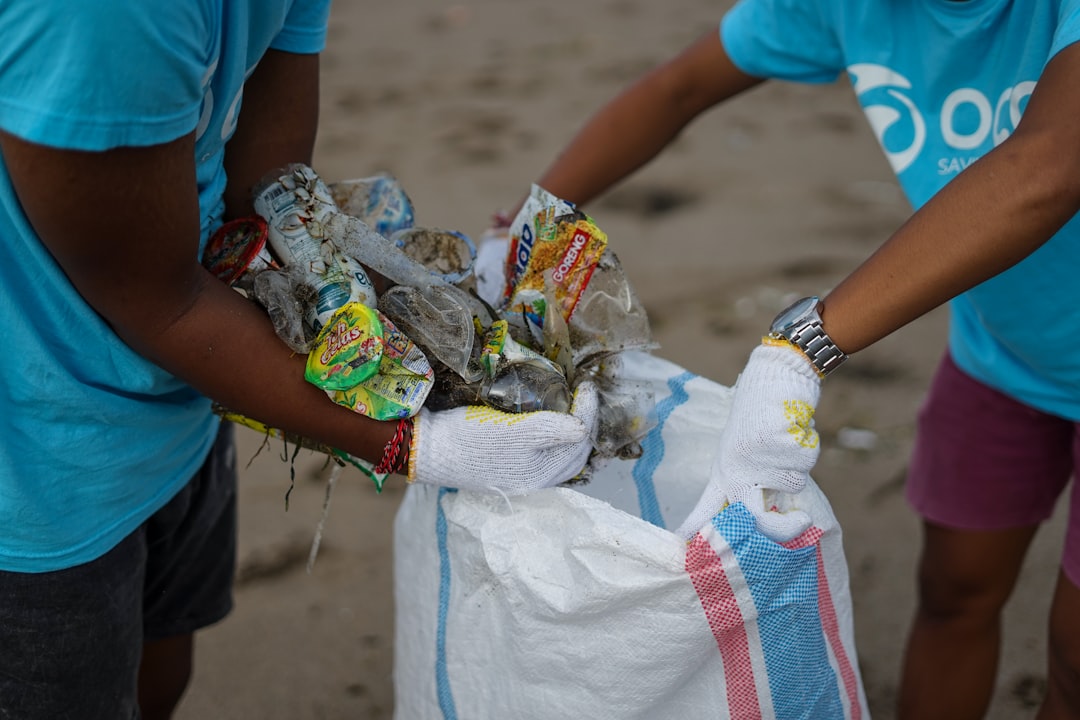
Ocean Conservancy’s International Coastal Cleanup has mobilized nearly 19 million volunteers over 40 years, collectively hauling away more than 400 million pounds of debris. Participants meticulously log items like cigarette butts, grocery bags, and candy wrappers, building a database of pollution patterns. In 2023 alone, efforts yielded 1.4 million plastic bottles, as detailed in the organization’s annual report. These numbers, though impressive, previously lacked a direct link to ecological benefits.
The Wildlife Impact Calculator in Action
A surprising revelation emerges from even modest cleanups: small hauls can safeguard dozens of animals. The Wildlife Impact Calculator, available at wildlifeimpactcalculator.org, processes data on over 20 common plastic types documented in marine animal stomachs. Users input quantities collected, and the tool instantly outputs lives protected, alongside species facts and pollution details.
For instance, gathering 20 plastic bottles, 15 bottle caps, and 10 bags equates to shielding five sea turtles and 25 seabirds from ingestion risks. This visualization transforms routine volunteering into a measurable victory, motivating continued participation. Erin Murphy, Ocean Conservancy’s manager of Ocean Plastics Research, noted that the goal is to demonstrate “beach cleanups matter” on a personal level.
Grounded in Cutting-Edge Research
The calculator draws from a landmark 2025 study led by Murphy, published in PNAS, which first quantified lethal plastic doses across marine species.The press release detailed findings showing minimal volumes suffice for harm. An Atlantic puffin, measuring just 11 inches, faces a 90% mortality risk from plastic equaling three sugar cubes, with half that amount carrying 50% odds.
Larger species fare no better proportionally: Loggerhead turtles risk 90% death from slightly more than two baseballs’ volume, while harbor porpoises succumb to a soccer ball’s worth. Cleanups intercept whole items before they fragment at sea, preventing microplastic ingestion during nesting or feeding in coastal zones. Murphy highlighted that “very, very small amounts of plastic can still kill marine life,” flipping the narrative to cleanup benefits.
Empowering Action from Individuals to Policymakers
Beyond motivation, the tool informs broader strategies. By illustrating risks, it supports regulations targeting high-impact plastics. Coastal cleanups align perfectly with animal habitats, amplifying their effectiveness.
- Prevents fragmentation into deadly microplastics.
- Builds public data for advocacy.
- Connects volunteers to global conservation.
- Highlights hotspots for focused efforts.
- Tracks progress over time.
Volunteers gain not just stats, but stories of prevented suffering, fostering sustained engagement.
Key Takeaways
- Beach cleanups remove plastics before they enter oceans, directly averting wildlife deaths.
- The calculator covers 20+ item types, linking everyday trash to species like turtles and puffins.
- Backed by 2025 research, it proves small efforts yield big protections.
Ocean Conservancy stresses that while global reforms remain crucial, individual actions accumulate into real change. “Every single person can be part of the solution,” Murphy affirmed. As plastic pollution persists, tools like this calculator bridge the gap between effort and outcome – what role will you play in safeguarding marine life? Share your cleanup stories in the comments.