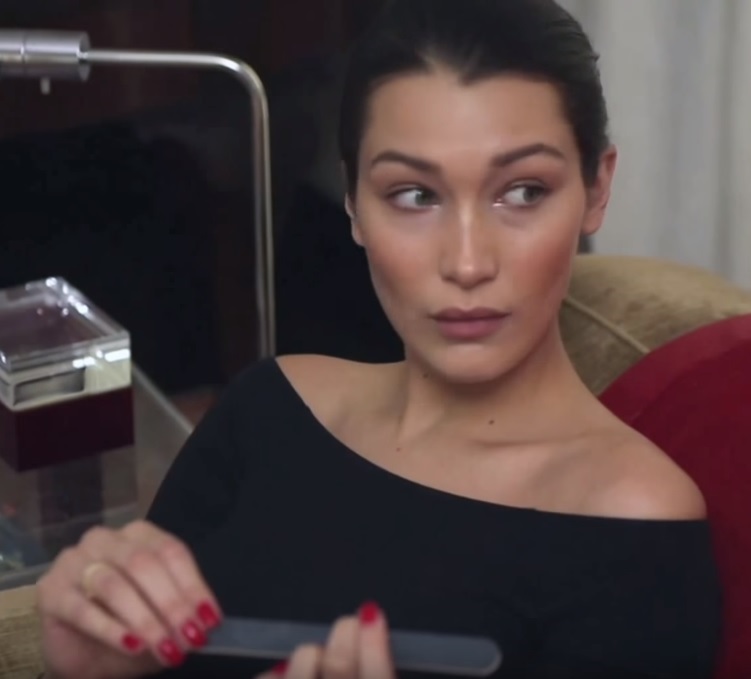

The All-White Cast That Ignited the Firestorm (Image Credits: Upload.wikimedia.org)
Milan – Supermodel Bella Hadid publicly challenged Dolce & Gabbana’s latest menswear presentation, highlighting a lack of racial diversity that drew widespread attention during the recent Fashion Week.
The All-White Cast That Ignited the Firestorm
An exclusively white lineup of models dominated Dolce & Gabbana’s Men’s Fall/Winter 2026 show on January 17, prompting immediate backlash from observers who labeled it a glaring example of industry homogeneity.
The presentation, held amid Milan’s bustling fashion scene, featured tailored suits and bold patterns paraded by an all-Caucasian ensemble, a choice that stood out sharply against calls for greater inclusivity in high fashion.
Social media quickly amplified the criticism, with one Instagram post dubbing the event “50 shades of white,” a phrase that captured the sentiment of many who viewed the casting as tone-deaf in 2026’s evolving cultural landscape.
This wasn’t just a one-off observation; it echoed long-standing debates about representation on global runways, where diverse voices increasingly demand change.
Hadid, known for her poised presence in the industry, seized the moment to voice her dissent, turning a routine show into a catalyst for broader discussion.
Hadid’s Unfiltered Instagram Response
Bella Hadid, the 29-year-old Palestinian-Dutch model, fired off pointed comments on Instagram, accusing the brand of perpetuating “years of racism, sexism, bigotry, and xenophobia.”
Her remarks came in reaction to the viral post critiquing the show’s casting, where she wrote, “Beeeen cancelled,” underscoring her frustration with what she saw as ongoing insensitivity.
Hadid has not walked for Dolce & Gabbana in recent seasons but has worn their designs at various events, a history that lent weight to her words as an insider familiar with the brand’s inner workings.
Her intervention highlighted a personal stake; as someone of mixed heritage, Hadid has navigated the fashion world’s complexities, often advocating for underrepresented communities.
The comments garnered thousands of likes and shares, propelling the conversation beyond fashion circles into mainstream discourse on equity.
Industry Echoes and Divided Opinions
Reactions poured in from across the sector, with some praising Hadid’s courage while others defended the brand’s artistic vision.
Fashion insiders noted the practical challenges of casting, with one anonymous professional remarking that rejecting such opportunities could jeopardize livelihoods in a competitive field.
Yet supporters of Hadid argued that privilege allows for such stands, emphasizing the need for systemic shifts rather than individual concessions.
The controversy unfolded against a backdrop of Milan Fashion Week’s other highlights, including Prada’s pointed tailoring that critiqued corporate power structures, offering a stark contrast to Dolce & Gabbana’s approach.
Social platforms buzzed with debates, revealing a divide between those who saw the show as harmless tradition and those who viewed it as a missed opportunity for progress.
Ultimately, the episode underscored the growing pressure on luxury houses to align their practices with contemporary values of diversity.
Dolce & Gabbana’s Pattern of Past Scrutiny
This incident is not isolated for the Italian label, which has faced accusations of cultural insensitivity before.
Over the years, designers Stefano Dolce and Domenico Gabbana have drawn ire for comments and campaigns perceived as homophobic or racially charged, including a 2018 scandal involving Instagram posts mocking China.
Despite apologies and efforts to rebound, the brand’s history has left a lingering skepticism among critics like Hadid.
Representatives for Dolce & Gabbana have not yet responded to requests for comment on the latest uproar, leaving the fashion community to speculate on potential repercussions.
Such patterns raise questions about accountability in an industry where image reigns supreme, prompting calls for more transparent hiring and creative processes.
For more on the show’s context, see coverage from The Guardian.
Key Takeaways
- Hadid’s comments spotlighted an all-white cast at Dolce & Gabbana’s Milan show, fueling diversity debates.
- The brand’s history includes prior controversies over racism and bigotry, amplifying current criticism.
- Fashion Week events like this highlight the tension between tradition and inclusivity in global luxury.
As Milan Fashion Week wraps up its menswear chapter, Hadid’s outspoken stance serves as a reminder that runways extend beyond fabric and form – they reflect societal mirrors that demand honest reflection. What steps should brands take next to foster true representation? Share your thoughts in the comments.