Landmarks Evolve Through Everyday Use (Image Credits: Pexels)
New York City – Experts from art, infrastructure, and civic design gathered at a recent placemaking summit hosted by Journey to explore a simple truth. Carefully planned spaces by architects and curators often evolve dramatically once everyday people arrive. These organic changes frequently enhance the original vision, fostering community and innovation in unexpected ways.
Landmarks Evolve Through Everyday Use
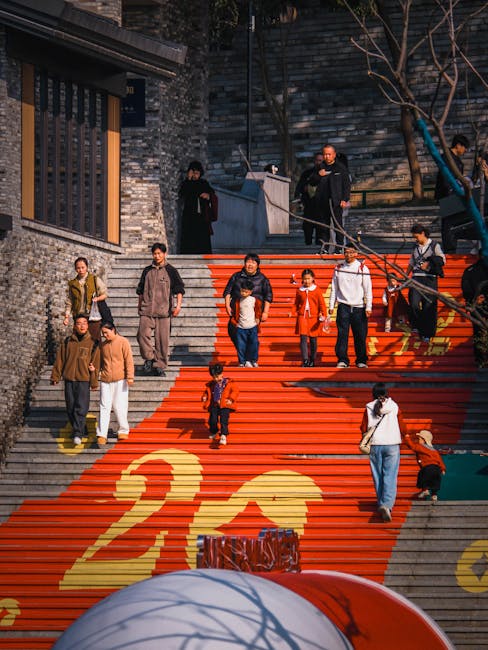
Visitors at the Getty Museum transformed its iconic steps and lawns into lively gathering spots. Katherine Fleming, CEO of the J. Paul Getty Trust, highlighted how these areas, initially meant as aesthetic transitions, became venues for picnics, sketching, and conversations. Museum officials chose to embrace rather than restrict this shift. Longer visits followed, along with stronger community ties in Los Angeles.
Galleries demonstrate similar adaptability. Antwaun Sargent, director at Gagosian, curated the Social Works exhibition to reflect public influence. One standout installation by Linda Goode Bryant featured a working aeroponic farm inside the space. This setup challenged conventional art definitions and turned the gallery into an active community hub for learning and interaction.
Markets Adapt to Real-World Flow
Chelsea Market in New York City offers a prime example of retail evolution. Claire Bernard, senior food and beverage manager for Chelsea Market and Market 57, explained how shop owners constantly adjusted displays, lines, and seating based on crowd behavior. Fixed boundaries between vendors blurred as people moved through. These impromptu changes created an authentic, responsive atmosphere that benefited everyone involved.
Such flexibility ensures spaces feel dynamic rather than rigid. Vendors responded to peak times by shifting elements on the fly. The result was a market that pulsed with life, proving that small adaptations can amplify a design’s appeal.
Infrastructure Thrives on Unpredictability
Public transit systems integrate art in ways that honor user input. Tina Vaz, director of arts and design at the Metropolitan Transportation Authority, noted that 4.3 million daily riders interact with poetry, performances, permanent works, and even unsanctioned graffiti. The MTA adapts these elements to reflect riders’ experiences. Stations thus become platforms for cultural exchange.
Times Square Alliance initiatives further illustrate this approach. Installations and digital art target multilingual crowds in one of the world’s busiest intersections. Programs succeed by accommodating diverse, unpredictable flows. These efforts highlight how infrastructure gains vitality from the very people it serves.
Key Strategies for Designers
Designers can draw practical lessons from these examples. Spaces require built-in adaptability from the start.
- Plan for active involvement. Incorporate movable furniture, flexible signage, and multi-purpose areas to evolve with user needs.
- Track meaningful metrics. Focus on dwell time, repeat visits, and spontaneous interactions over mere efficiency.
- Foster partnerships. Engage artists, locals, and commuters through residencies, feedback sessions, and collaborative projects.
- Release rigid ideals. Embrace organic changes as indicators of a space’s success and communal spirit.
Key Takeaways:
- Public use extends engagement and builds community bonds.
- Flexibility outperforms perfection in dynamic environments.
- Collaboration unlocks innovations designers might overlook.
Public spaces flourish when designers prioritize people over pristine plans. This shift not only enhances usability but also infuses locations with genuine character. What transformations have you noticed in your favorite public spots? Share your thoughts in the comments.