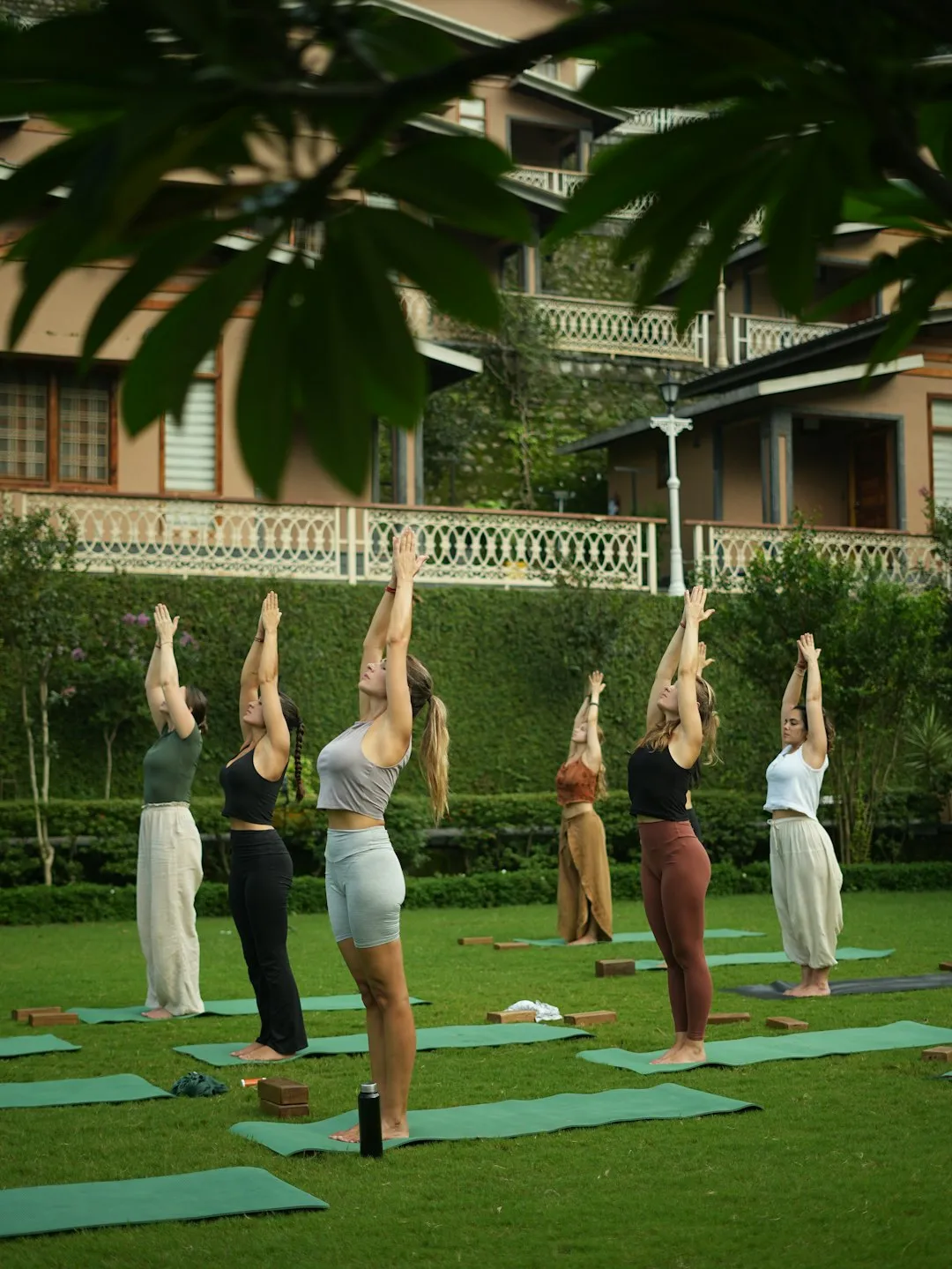
Unlocking Hidden Human Potential (Image Credits: Unsplash)
Yoga reveals itself as a structured spiritual discipline, where dedicated practitioners harness subtle natural energies to gain command over the mind, body, and deeper consciousness.
Unlocking Hidden Human Potential
Ancient yogis awakened extraordinary abilities through years of unwavering discipline, feats that challenged the boundaries of ordinary perception. Practitioners mastered pranayama, mental focus, and yogic postures to activate dormant powers within the subconscious. These capabilities emerged not as miracles, but as natural results of sustained effort, often taking decades to fully manifest.[1]
Scholars rooted in traditions like Gorakhpanth viewed yoga as a precise science, capable of stirring latent brain functions long overlooked by material inquiry. Future research, they argued, might confirm what sages discovered through experimentation. Patience became the cornerstone, distinguishing yogic progress from the instant results of modern technology.
Feats That Defy Explanation
Yogis demonstrated remarkable control, such as traversing fire unscathed or balancing effortlessly above the ground during deep trance states. English traveler Harry Ralph witnessed an elderly yogi consume vast amounts of water without physical alteration, then levitate supported only by a slender stick. Investigators found no hidden mechanisms; the yogi credited unyielding willpower honed through practice.[1]
These displays astonished visitors to India’s spiritual centers, particularly in regions like Uttarakhand. Advanced adepts, however, prioritized inner peace over public spectacle, using such powers sparingly for personal evolution. Traditions preserved these insights, emphasizing that true mastery quieted the senses amid worldly chaos.
Wisdom from Sacred Texts
The Bhagavad Gita portrays Lord Krishna as the ultimate yogi, defining the enlightened state in verse 2.69: what appears as night to ordinary beings remains vibrant awareness for the disciplined sage. Sages in South India’s Nilgiri Hills upheld Sankhya Yoga, blending selfless action with profound detachment. Classical works like Patanjali’s Yoga Sutras, Hatha Yoga Pradipika, and Yoga Vasistha offered systematic paths to realization.[1]
These texts guided inner witnessing, a heightened sensitivity to subtle energies and others’ intentions. Regular practice fostered intellectual clarity and emotional equilibrium, transforming practitioners into beacons of balanced living.
Yoga’s Healing Legacy
Yoga addressed ailments deemed untreatable by conventional medicine, restoring vitality and longevity through holistic routines. Mental afflictions yielded swiftly to disciplined regimens, enhancing physical strength alongside spiritual insight. Practitioners reported sharper focus, resilience, and a profound sense of well-being.
Key benefits included:
- Heightened awareness of subtle body forces
- Control over senses and breath for inner calm
- Release from chronic suffering via self-purification
- Boosted intellectual and emotional faculties
- Path to selfless service and societal harmony
Key Takeaways
- Yoga demands long-term commitment to reveal its scientific depths.
- Extraordinary abilities arise naturally from mind-body mastery.
- Ancient texts provide blueprints for lasting transformation.
Yoga endures as a complete spiritual science, guiding individuals toward self-realization and collective upliftment by awakening untapped potential. Its practices promise freedom from ignorance, fostering lives of purpose and equilibrium. How has yoga deepened your own journey? Share your thoughts in the comments.[1]