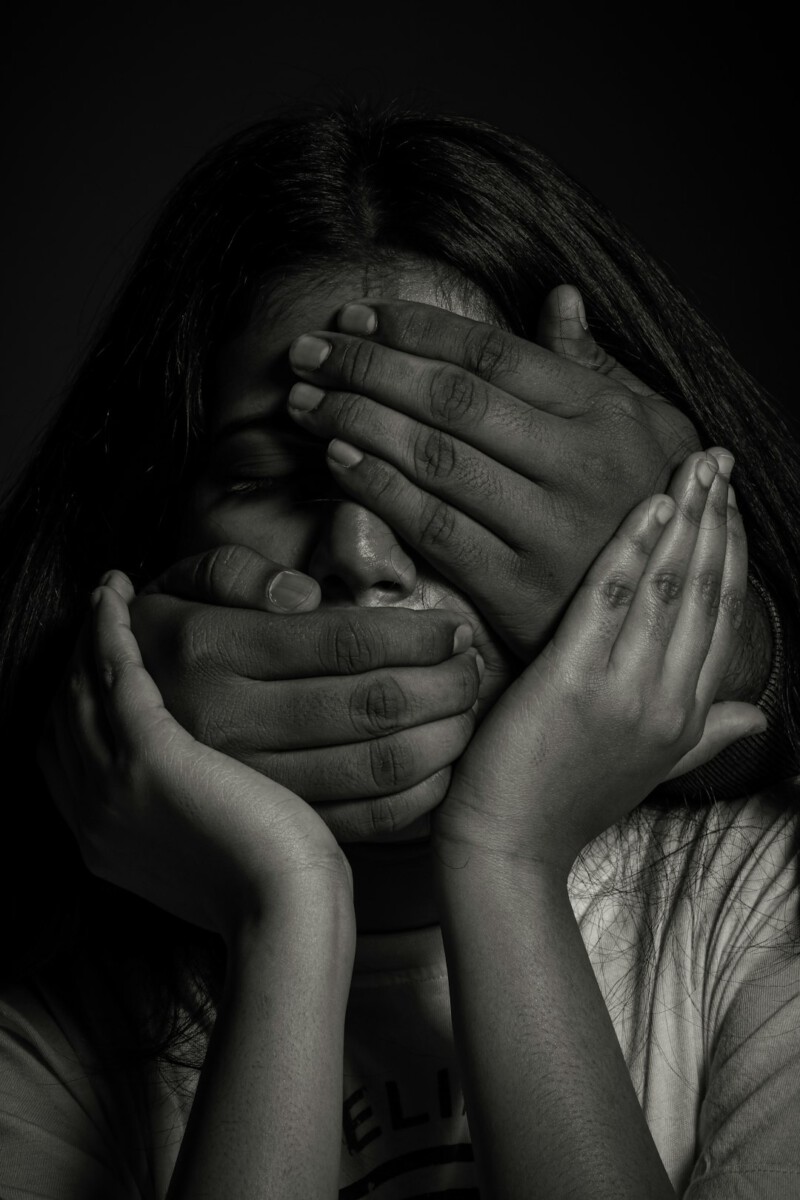


The Alarming Reality of Forced Marriage (Image Credits: Unsplash)
In the dim shadows of desperation, families sometimes make choices that echo through generations, binding lives in ways no one should endure.
The Alarming Reality of Forced Marriage
Imagine waking up to a future decided for you, without a say in the matter. That’s the harsh truth for millions trapped in forced marriages worldwide. According to recent global reports, over 22 million people live in conditions of forced marriage, a number that’s only climbing as economic pressures mount.
This isn’t just an outdated custom; it’s a modern crisis that strips away personal freedom. In 2025, organizations like the UN are highlighting how these unions often start with promises but end in control and exploitation. Victims, mostly young women and girls, face isolation and abuse right from the start.
Yet, awareness is growing. Governments and NGOs are pushing for laws that recognize this as a violation of human rights, urging communities to rethink traditions that harm.
Where Forced Marriage Meets Human Trafficking
Forced marriage isn’t isolated; it often serves as a gateway to broader trafficking networks. The U.S. Department of State notes that traffickers exploit these setups for labor, sex work, or even organ removal, turning personal bonds into profitable schemes. In essence, what begins as a family arrangement can quickly become a tool for organized crime.
Think of it like a hidden trapdoor. A girl promised to a “suitable” match might find herself sold across borders, her passport confiscated, and her dreams shattered. The 2025 Trafficking in Persons Report emphasizes this intersection, showing how cultural norms sometimes blind communities to the trafficking signs.
Prevention starts with education. By teaching about consent and rights, we can spot these red flags early and intervene before lives are derailed.
Global Hotspots and Vulnerable Groups
Africa and South Asia bear the brunt, but no region escapes untouched. Reports from the International Labour Organization indicate that forced marriages affect every continent, with migrants and refugees especially at risk during crises. Children under 18 make up a shocking portion of victims, often lured with false hopes of stability.
Women and girls dominate the statistics, but boys and men aren’t immune. Economic downturns in 2025 have worsened vulnerabilities, pushing families toward desperate measures. Still, stories of escape and rescue offer glimmers of hope amid the statistics.
- Sub-Saharan Africa: High rates due to poverty and conflict.
- South Asia: Cultural pressures amplify the issue.
- Middle East: Migration routes create new trafficking paths.
- Europe and North America: Hidden cases in immigrant communities.
- Global migrants: Often targeted during border crossings.
Signs to Watch For and How to Spot Them
Recognizing forced marriage early can save lives. Look for sudden changes in behavior, like withdrawal from friends or unexplained absences from school. Victims might mention family pressures or fear reprisals if they speak out.
Traffickers often use deception, posing as romantic interests or job offers. The UNODC stresses that control over documents or finances is a major warning sign. In 2025, hotlines and apps are making it easier to report suspicions anonymously.
Communities play a key role. Schools and workplaces can train staff to identify at-risk individuals, fostering a network of support that disrupts these cycles.
Legal Frameworks and International Efforts
Laws are evolving to combat this dual threat. The UN Trafficking in Persons Protocol provides a blueprint, criminalizing exploitation in marriages. Countries like the U.S. now classify forced marriage as a form of trafficking, with penalties that reflect its severity.
International cooperation is crucial. The 2025 TIP Report praises nations increasing prosecutions and victim services, yet calls for more funding in prevention. Collaborations between NGOs and governments are breaking down borders for rescues and awareness campaigns.
| Region | Key Legal Progress | Challenges |
|---|---|---|
| United States | Visa protections for victims | Underreporting in communities |
| Europe | EU-wide anti-trafficking directives | Border enforcement gaps |
| Asia | National hotlines established | Cultural resistance to change |
Steps You Can Take to Fight Back
Empowerment begins at home. Support organizations like the Administration for Children and Families that offer resources for at-risk families. Donate, volunteer, or simply spread the word to amplify voices that need hearing.
Advocacy matters too. Push for policies that fund education and shelters. In your circle, challenge myths about “arranged” versus forced unions to shift mindsets.
Every action counts. By staying informed, you become part of the solution in dismantling these networks.
Key Takeaways
- Forced marriage often leads to trafficking through exploitation and control.
- Education and early intervention are vital for prevention.
- Global reports in 2025 show progress, but collective effort is needed.
At its core, ending forced marriage and trafficking demands compassion paired with action. It’s a reminder that freedom shouldn’t be a luxury. What steps will you take to make a difference? Share your thoughts in the comments below.