

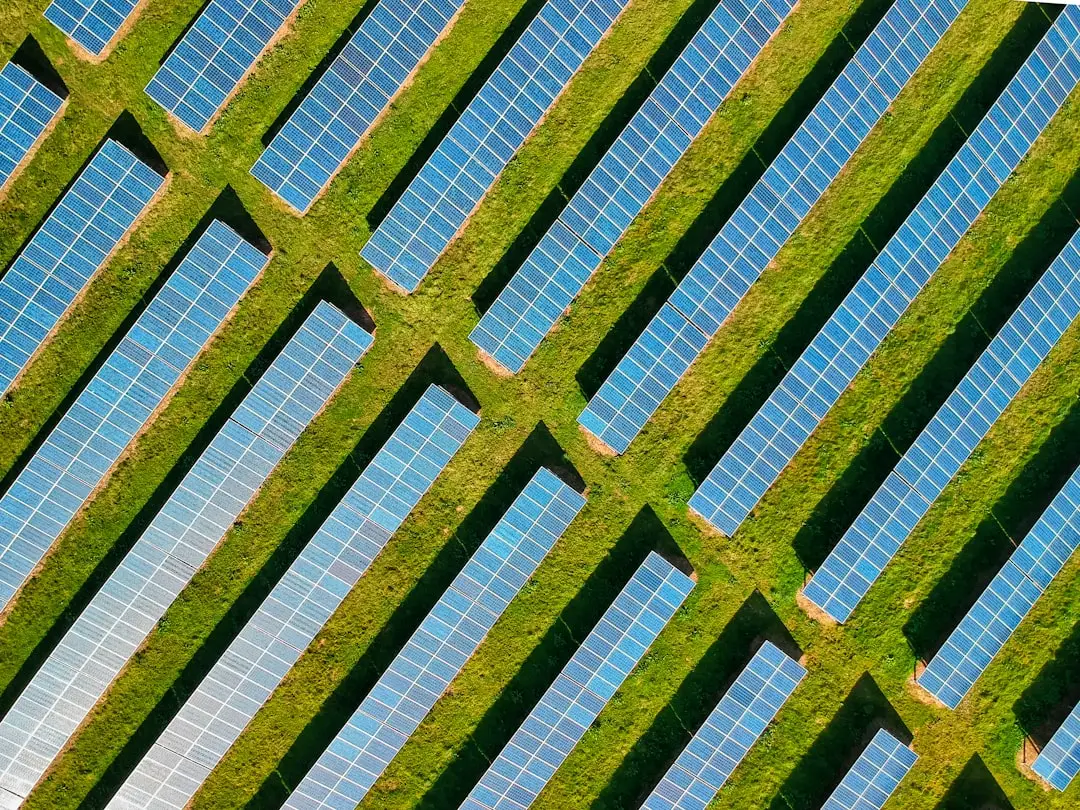
Water Scarcity Idles a Third of Prime Acreage (Image Credits: Unsplash)
San Joaquin Valley, California – Parched farmlands that once sustained almond orchards and tomato fields now offer a promising canvas for the nation’s largest solar energy push.
Water Scarcity Idles a Third of Prime Acreage
Chronic droughts slashed water deliveries from the California Aqueduct, while new restrictions curbed deep aquifer pumping. Farmers in the Westlands Water District left more than 215,000 acres unplanted in 2025 alone.[1][2]
The Sustainable Groundwater Management Act enforced limits on overpumping, protecting aquifers depleted to depths of 1,000 feet. Growers shifted precious supplies to viable plots, but idle land strained family operations and local economies.[3]
Rural communities felt the pinch as farm jobs dwindled and property taxes dipped. Schools and businesses faced tighter budgets amid the agricultural slowdown.
Solar Emerges as the Ultimate Cash Crop
Farmers greeted solar proposals with enthusiasm, viewing panels as a reliable harvest. Ross Franson, a local grower and district board member, captured the sentiment: “We’re farmers, and we would rather farm the ground. If we had the water to do it, we would farm it. But the reality is you don’t, and you have to deal with the cards you’re dealt.”[2]
Jeremy Hughes, among 150 early sign-ups, likened it to innovation: “We look at it as a new crop. We’re harvesting electricity.”[4] Leases promised steady income, freeing water for productive fields and sustaining operations.
Jose Gutierrez, assistant general manager at Westlands, emphasized survival: “Because of this solar, we can continue farming in Westlands. It’ll keep the farming community alive.”[2]
Unprecedented Scale Targets 21 Gigawatts
The Valley Clean Infrastructure Plan, greenlit by the Westlands board in December 2025, envisions 21 gigawatts of solar plus matching battery storage across 136,000 acres—roughly 200 square miles.[3][1] Spanning from near Firebaugh to Huron, it dwarfs prior efforts with projects from 100 to 1,150 megawatts each.
Golden State Clean Energy leads the master plan, partnering with third-party developers. High-voltage lines will ferry power to Los Angeles and Silicon Valley, demanding billions in upgrades.[4]
- Peak output rivals a dozen coal plants on sunny noons.
- Batteries store excess for round-the-clock supply.
- Programmatic environmental review cleared hurdles early.
- Union labor builds transmission under state mandates.
Balancing Benefits with Local Worries
Proponents highlight thousands of construction jobs and long-term revenue streams. Allison Febbo, Westlands general manager, noted it “gives our growers another crop to grow, which is the sun.”[3] Analyses project $850 million in annual electricity savings and slashed emissions.
Yet small towns like Huron, home to 6,000 mostly farmworkers, voiced concerns over displaced jobs. Mayor Rey Leon demanded inclusion: “We are shareholders. We’ve kept these communities alive. There’s no excuse to leave us out.”[2] Districts pledged community benefits for training and development, though specifics remain in talks.
Construction may span a decade, with first panels rising soon. Patrick Mealoy of Golden State Clean Energy affirmed momentum: “The state needs it. It’s permitted. It’s the right place for it.”[2]
Key Takeaways
- Solar leases stabilize incomes on water-limited land, preserving agriculture.
- 21 GW capacity accelerates California’s clean energy goals.
- Community pacts address job shifts in rural hubs.
This pivot from crops to kilowatts underscores adaptation in a drying Westlands. As panels rise, they signal resilience for farmers and a greener grid ahead. What do you think about this solar shift? Tell us in the comments.