


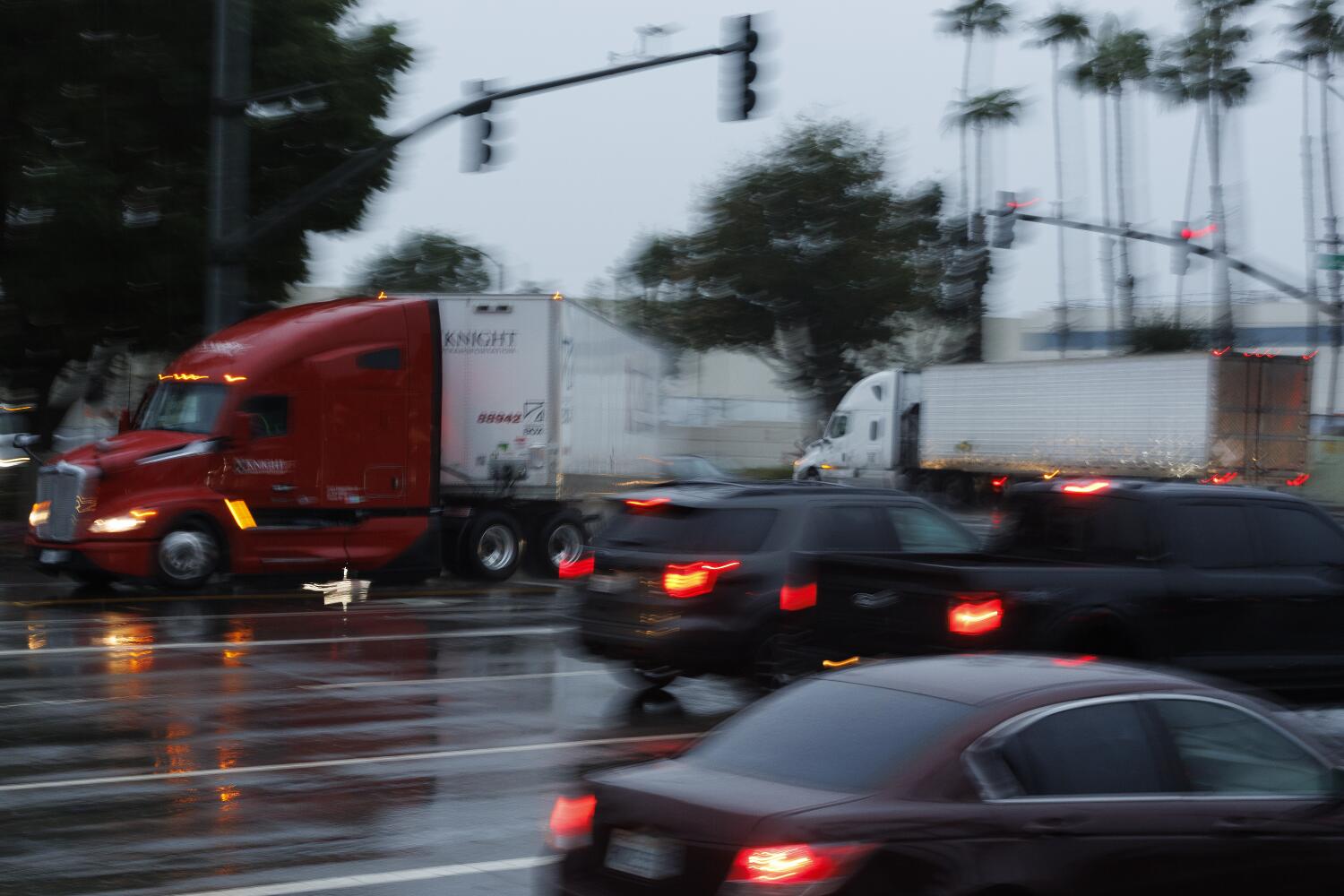
A Bold Extension Amid Rising Tensions (Image Credits: Ca-times.brightspotcdn.com)
California’s decision to extend deadlines for immigrant truck drivers has ignited a fierce clash with federal authorities, resulting in the suspension of significant transportation funding.
A Bold Extension Amid Rising Tensions
The state announced a delay in revoking thousands of commercial driver’s licenses held by immigrants, pushing the cutoff from early January to March. This move came just days after a federal ultimatum and follows a lawsuit filed by immigrant advocacy groups seeking more time for eligible drivers to reapply. Officials in Sacramento argued that the extension ensures fairness, allowing qualified individuals – many of whom contribute vitally to the state’s logistics sector – to maintain their livelihoods without abrupt disruption.
At the heart of the conflict lies an audit revealing irregularities in license issuance, such as approvals persisting beyond expired immigration statuses or lacking proof of eligibility. California officials emphasized that the pause targets only those who legally qualify, aiming to protect a workforce essential for hauling goods across the Central Valley. Yet, this defiance has drawn sharp criticism from Washington, where enforcement of national standards takes precedence.
Federal Response Escalates the Stakes
U.S. Transportation Secretary Sean Duffy declared the state’s actions unacceptable, announcing the withholding of $160 million in federal transportation funds on Wednesday. This penalty builds on an earlier $40 million cut imposed for California’s alleged failure to enforce English proficiency rules for commercial drivers. Duffy’s office stated that the funds would remain frozen until the state complies fully with federal guidelines, which prohibit licenses for those without proper legal authorization.
The decision underscores a broader push to standardize driver qualifications nationwide, particularly in high-risk industries like trucking. Federal auditors had flagged systemic issues, including licenses issued without verifying immigration compliance. California’s response highlights ongoing debates over state autonomy versus national security in immigration enforcement, with trucking routes crisscrossing state lines amplifying the urgency.
Impact on California’s Trucking Community
The affected licenses number around 17,000, many belonging to Punjabi Sikh drivers who form a cornerstone of the state’s agricultural and freight transport. These workers, often operating in the vast farmlands of the Central Valley, face uncertainty as notices for reapplication flood in. The delay provides a temporary reprieve, but prolonged disputes could lead to shortages, higher shipping costs, and economic ripple effects for businesses reliant on timely deliveries.
Advocates for the drivers point to their role in filling labor gaps, noting that revocations could exacerbate an already strained industry. Safety concerns, however, drive the federal position, with requirements for English literacy ensuring drivers can read signs and respond to emergencies effectively. As the March deadline approaches, trucking firms monitor the situation closely, weighing compliance costs against potential operational halts.
Key Elements of the Dispute
To clarify the core issues, the following outlines the main points of contention:
- Federal mandate: Strict adherence to immigration status checks and English proficiency for commercial licenses.
- State’s counter: Extension to March 6 for reapplications, prioritizing eligible immigrants’ rights.
- Audit findings: Over 17,000 licenses potentially invalid due to expired authorizations or unverified eligibility.
- Funding at risk: Initial $40 million withheld, now escalated to $160 million pending compliance.
- Affected group: Primarily immigrant truckers, including vital Punjabi Sikh communities in agriculture-heavy regions.
Key Takeaways
- The federal withholding totals up to $200 million, signaling serious enforcement against non-compliance.
- California’s delay stems from a lawsuit and aims to safeguard a key economic workforce.
- Resolution could reshape trucking regulations, balancing safety with labor needs.
This standoff between state and federal powers not only jeopardizes vital infrastructure funding but also spotlights the intricate ties between immigration policy and everyday commerce. As negotiations unfold, the outcome may set precedents for how states navigate overlapping jurisdictions. What implications do you see for California’s economy or national trucking standards? Share your thoughts in the comments.


