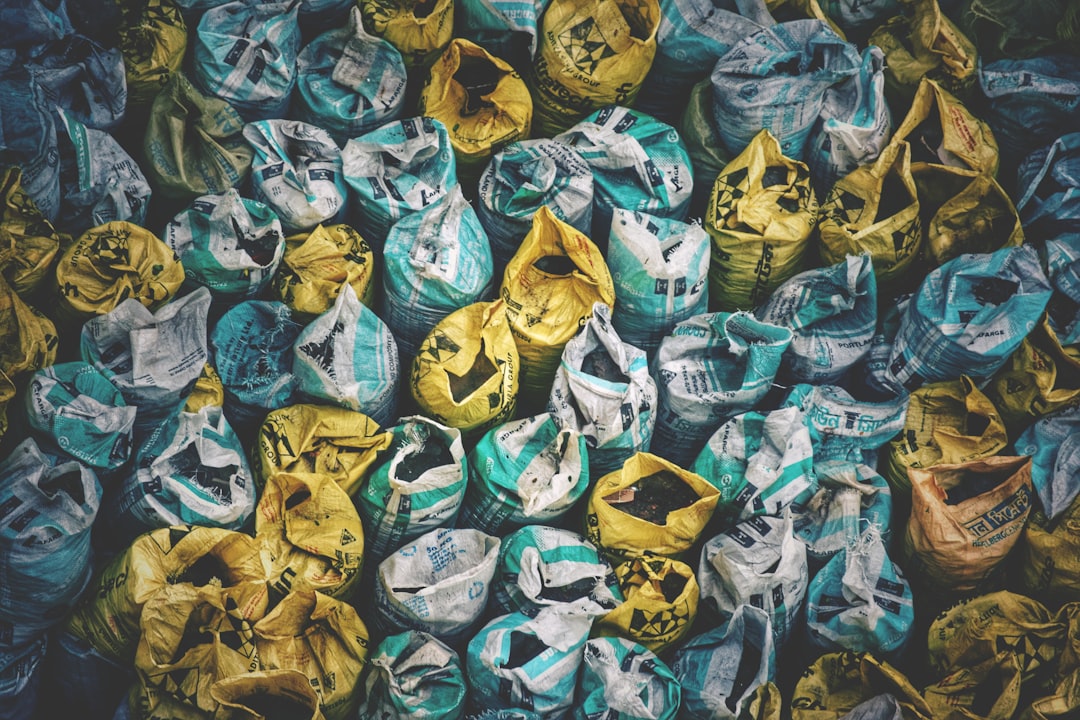


A Surprising Green Light for Change (Image Credits: Unsplash)
California – Amid the tense atmosphere of a recent board meeting, a pivotal vote reshapes how the state tackles its most dangerous pollutants.
A Surprising Green Light for Change
The Board of Environmental Safety just greenlit California’s 2025 Hazardous Waste Management Plan, a move that promises smarter ways to cut down on toxic materials. This comes from the Department of Toxic Substances Control, aiming to modernize outdated rules. Yet, right from the start, it’s stirred up a storm.
Imagine streamlining processes that have bogged down businesses and communities for years. Supporters argue this could make waste handling safer and more efficient. Still, the approval feels like a double-edged sword to many watching closely.
With California’s vast industrial landscape, from tech hubs to farms, the stakes couldn’t be higher. One wrong turn, and we’re talking long-term risks to soil, water, and health.
Breaking Down the Plan’s Big Ideas
At its heart, the plan focuses on reducing hazardous waste through better recycling and innovation. It outlines strategies like encouraging cleaner production methods in factories. The goal? Less waste generated in the first place.
Key elements include updating disposal rules and promoting tech that neutralizes toxins before they hit landfills. Officials say this builds on years of data from waste reports. It’s not just talk; the plan ties into broader state efforts under laws like Senate Bill 158.
However, specifics on enforcement remain fuzzy, leaving room for interpretation. That ambiguity is where the real debate ignites.
Why Environmental Groups Are Sounding the Alarm
Critics aren’t holding back, calling parts of the plan a sneaky path to deregulation. Groups worry that loosening oversight on waste transport and storage could lead to more spills or improper dumping. They’ve pointed to proposals that might allow more contaminated soil in regular landfills.
One major concern revolves around vulnerable communities near industrial sites. These areas often bear the brunt of pollution, and any rollback feels like a betrayal. Activists rallied before the vote, urging the board to prioritize protection over convenience.
The outcry echoes past battles, like when similar ideas got shot down earlier this year. It shows how hard-fought these gains have been.
Past Proposals and the Bigger Picture
Flash back to spring 2025, when regulators floated ideas to ease rules on hazardous waste disposal. That sparked immediate backlash, leading to a board rejection in May. Now, with this new plan approved in November and finalized recently, echoes of those fights linger.
The Department of Toxic Substances Control insists the current version avoids those pitfalls. They highlight input from public comments and scientific reviews. Yet, skeptics see patterns in how these plans evolve, often favoring industry flexibility.
- Streamlined permitting for low-risk wastes
- Incentives for businesses to adopt green tech
- Enhanced monitoring of high-hazard sites
- Public reporting requirements for transparency
- Integration with federal EPA standards
Industry Views: Efficiency vs. Caution
From the business side, the plan offers a breath of fresh air. Companies dealing with chemicals or manufacturing praise the potential for faster approvals. Less red tape means quicker innovation, they say, which could boost California’s economy without skimping on safety.
Take a mid-sized manufacturer in the Central Valley. They’ve struggled with rigid rules that delay waste processing. This plan could help them pivot to sustainable practices more easily.
That said, even some industry voices call for clear safeguards. No one wants a repeat of environmental disasters that cost billions to clean up.
Navigating the Future of Waste Management
Looking ahead, the plan sets the stage for reviews every few years, with the next report due by late 2025. The Board of Environmental Safety will keep tabs, but implementation falls to state agencies. Success hinges on funding and political will.
Communities can still weigh in through public forums. Early signs suggest lawsuits might follow if perceived weaknesses emerge. For now, it’s a watchful waiting game.
| Aspect | Pro | Con |
|---|---|---|
| Regulation | Modernizes outdated rules | Risks weakening enforcement |
| Economy | Boosts business efficiency | Potential cleanup costs rise |
| Environment | Promotes waste reduction | Threatens polluted areas |
Key Takeaways
- The plan aims to reduce hazardous waste through innovation but faces deregulation fears.
- Environmental groups push for stronger protections amid approval.
- Ongoing oversight could shape its real impact in coming years.
In the end, California’s hazardous waste plan walks a tightrope between progress and precaution. Getting it right could safeguard the state’s natural treasures for generations. What do you think – does this strike the right balance, or is more caution needed? Share your thoughts in the comments.