Overview of Economic Nationalism
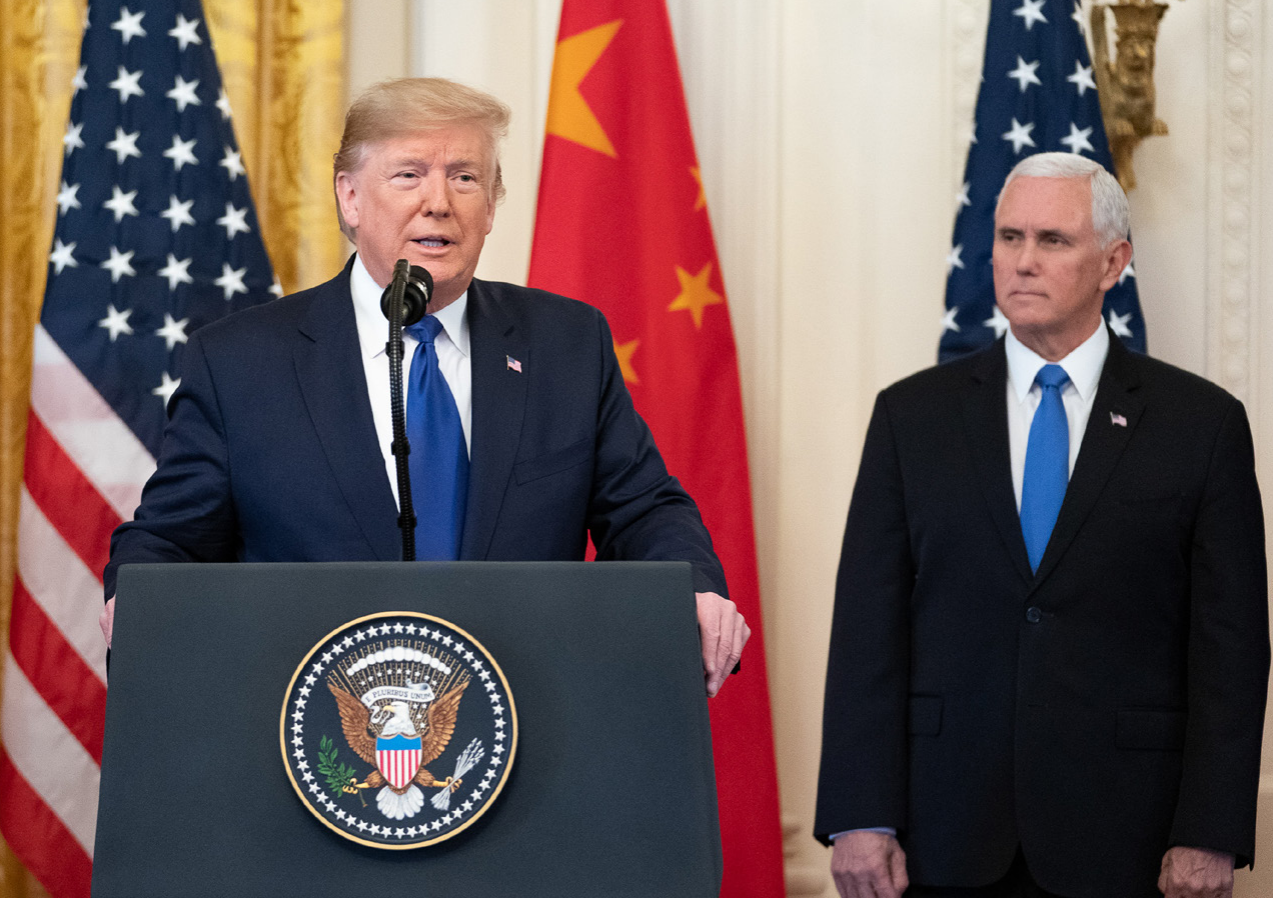
Economic nationalism means putting local businesses and workers first, often by limiting imports and prioritizing homegrown industries. During Trump’s time in office, the “America First” slogan was more than just a catchphrase—it became a real policy direction that affected every corner of the economy, including luxury travel. The World Trade Organization reported global trade growth dropping to 1.2% in 2019, a clear warning sign for industries that rely on international clients. Tariffs and new trade barriers can make it harder for luxury travel brands to attract global travelers. The luxury travel industry, which was worth around $1.2 trillion in 2020, is particularly sensitive to these shifts. As government policies discourage foreign spending and travel, luxury experiences may become more focused on local clients. This shift could mean fewer Americans traveling abroad and more seeking high-end experiences at home. The landscape is changing fast, and businesses have to adapt to survive.
Impact on International Travel

International travel has become much more complicated under economic nationalism. Tariffs on imports can make everything from hotel linens to gourmet food more expensive, raising the cost of luxury stays and experiences. The Global Business Travel Association found that business travel spending could drop by as much as 20% when costs go up. Political tensions and uncertainty also discourage international travelers from visiting the U.S., which is bad news for luxury hotels and resorts that cater to wealthy foreigners. The American Hotel and Lodging Association noted a 25% decline in international visitors in 2019, a painful hit for high-end tourism. As a result, luxury travel companies are rethinking their strategies, often by marketing to Americans instead of global elites. The whole industry feels the squeeze, from exclusive city hotels to scenic resorts. With fewer international guests, some luxury brands face tough choices about how to fill their rooms and maintain their standards.
Domestic Luxury Travel Growth
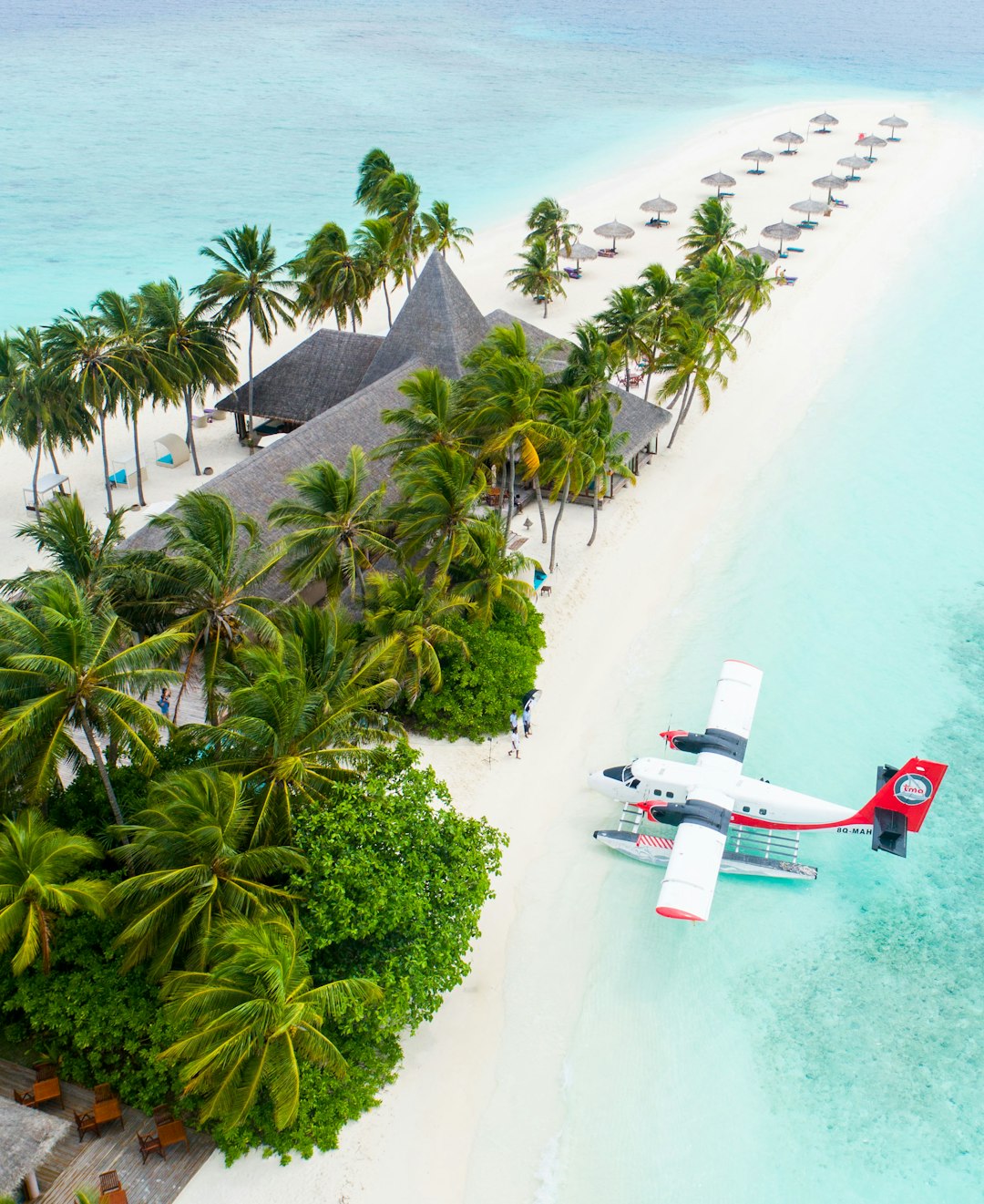
As international travel faces setbacks, domestic luxury travel is booming. Wealthy travelers who might have jetted off to Paris or Tokyo are now exploring the best their own country has to offer. Virtuoso, a leading luxury travel network, reported a 50% surge in domestic luxury travel bookings in 2021 compared to earlier years. Top resorts and hotels have responded by rolling out exclusive packages aimed at local guests, from spa retreats in the mountains to private city tours. These new offerings cater to Americans seeking unique experiences without leaving the country. Properties are adding personal touches, like private chefs or tailored wellness programs, to stand out in a crowded market. This shift not only keeps businesses afloat but also creates new trends in how luxury is defined and enjoyed. By focusing on the local market, luxury travel brands are finding ways to thrive even as global travel slows.
The Role of Technology in Luxury Travel
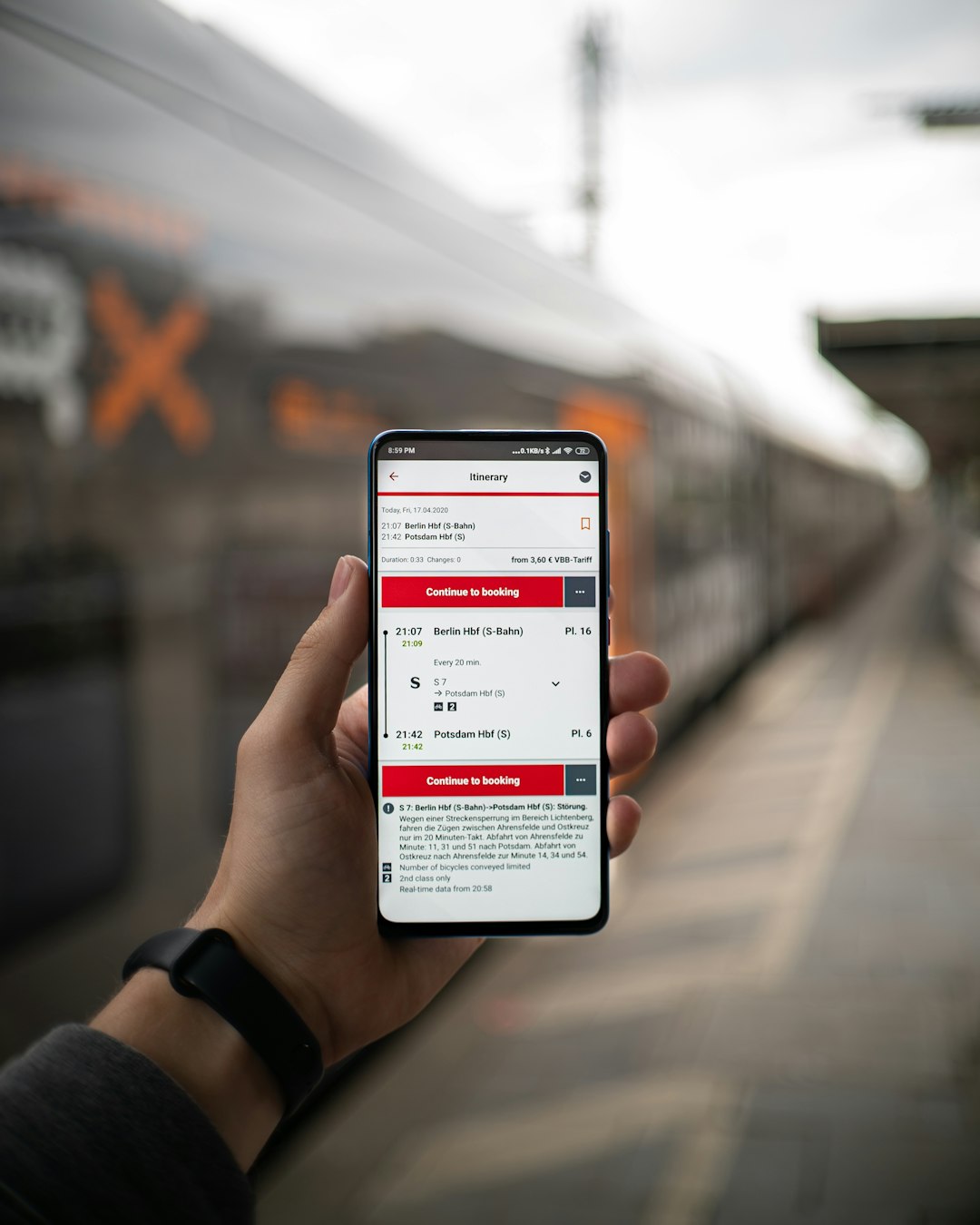
Technology has become a lifeline for the luxury travel industry, especially during times of uncertainty. Online booking platforms are now essential, allowing travelers to research and reserve high-end experiences from their phones. Phocuswright projects that online travel bookings will hit $1 trillion by 2023, signaling a major change in how people plan luxury trips. Personalization is key, with brands using data to offer tailored recommendations, virtual tours, and even remote concierge services. Safety is another major concern, and the rise of contactless technology means guests can check in, access rooms, and pay for services with minimal contact. These digital upgrades not only make travel safer but also more convenient and appealing to tech-savvy clients. Some luxury hotels are offering virtual reality previews of suites and experiences to entice guests. As technology continues to evolve, it will play a bigger role in shaping the future of luxury travel.
Changing Consumer Preferences
Luxury travelers today want more than just opulence—they’re looking for meaningful, sustainable experiences. Economic nationalism and ongoing global events have made people rethink what matters most in their travels. According to Booking.com, 72% of travelers now prefer eco-friendly options, even when looking for luxury. This has led many high-end brands to adopt green practices, like using local materials, reducing waste, and supporting community projects. Travelers also want to connect with local cultures, choosing authentic and immersive experiences over traditional luxury. This shift is pushing luxury travel operators to innovate and offer packages that appeal to these new values. The focus has moved from flashy displays of wealth to curated, ethical journeys. As the market changes, successful brands will be those that can balance comfort and conscience.
The Future of Luxury Travel Brands

The road ahead for luxury travel brands is challenging, but there are clear paths to success. Brands that can quickly pivot to focus on domestic markets and sustainable offerings are the most likely to thrive. Bain & Company predicts that the luxury goods market could grow by 6-8% annually, driven by changing consumer behaviors and priorities. Marketing must become more creative, using stories and experiences that resonate with today’s travelers. Collaborations with local artists and businesses help make brands feel more authentic and rooted in the places they operate. Companies are also diversifying into wellness and adventure travel, offering everything from meditation retreats to personalized safaris. This broadening of services helps reduce risks linked to economic downturns and travel bans. The ability to adapt and innovate will separate the winners from those left behind.
The Importance of Customer Loyalty
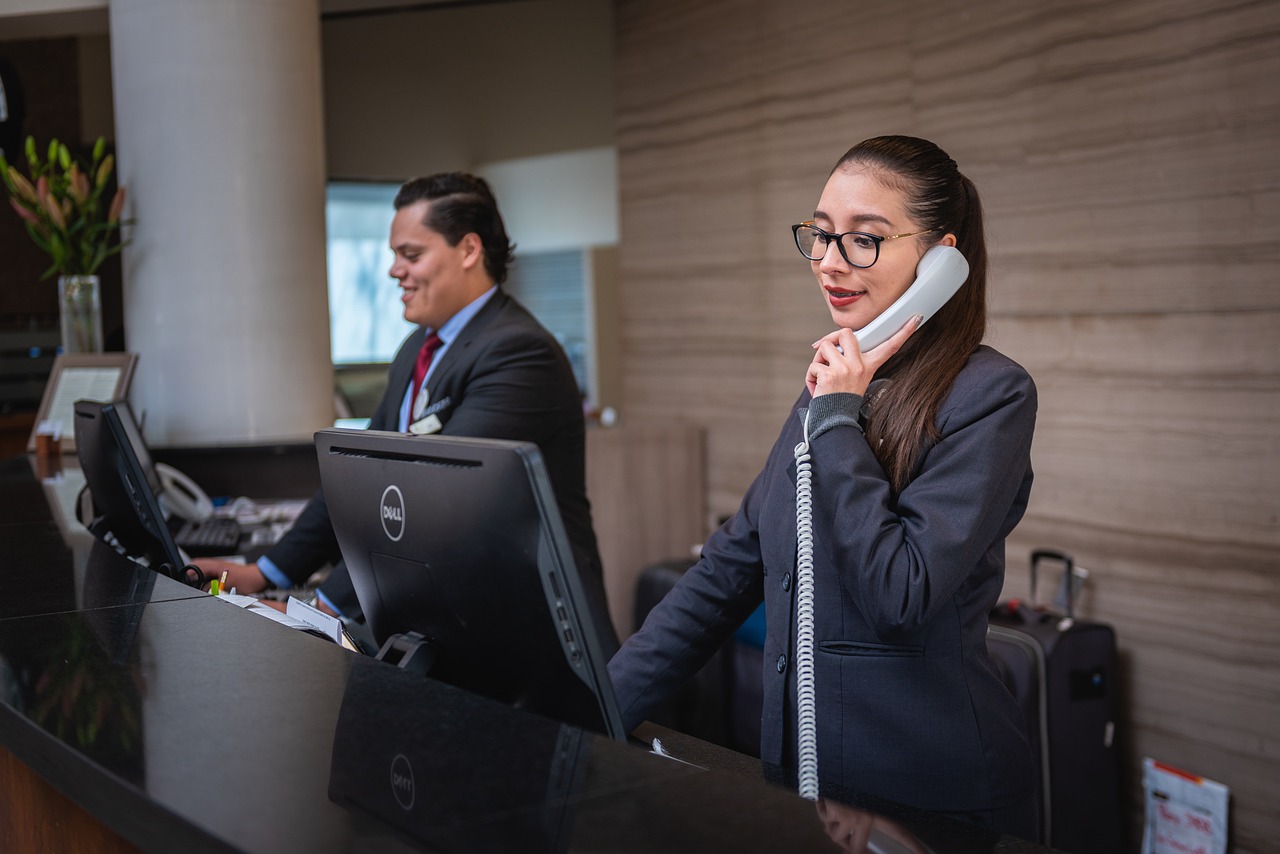
In times of uncertainty, customer loyalty is more valuable than ever for luxury travel brands. Repeat guests provide stability, especially when attracting new international clients is tough. Deloitte research shows that 60% of luxury travelers will return to a brand if they’ve received outstanding service. To build loyalty, brands are investing in personalized touches, like remembering guest preferences, offering exclusive perks, and providing seamless communication. Loyalty programs have become more creative, rewarding not just frequency but also customer engagement and referrals. Social media plays a key role, as brands use it to stay connected with travelers and keep their experiences top of mind. The competition for loyal clients is fierce, so standing out requires constant innovation and genuine care. Brands that succeed in building strong, lasting relationships will weather economic storms better than their rivals.
Economic Nationalism and Global Partnerships
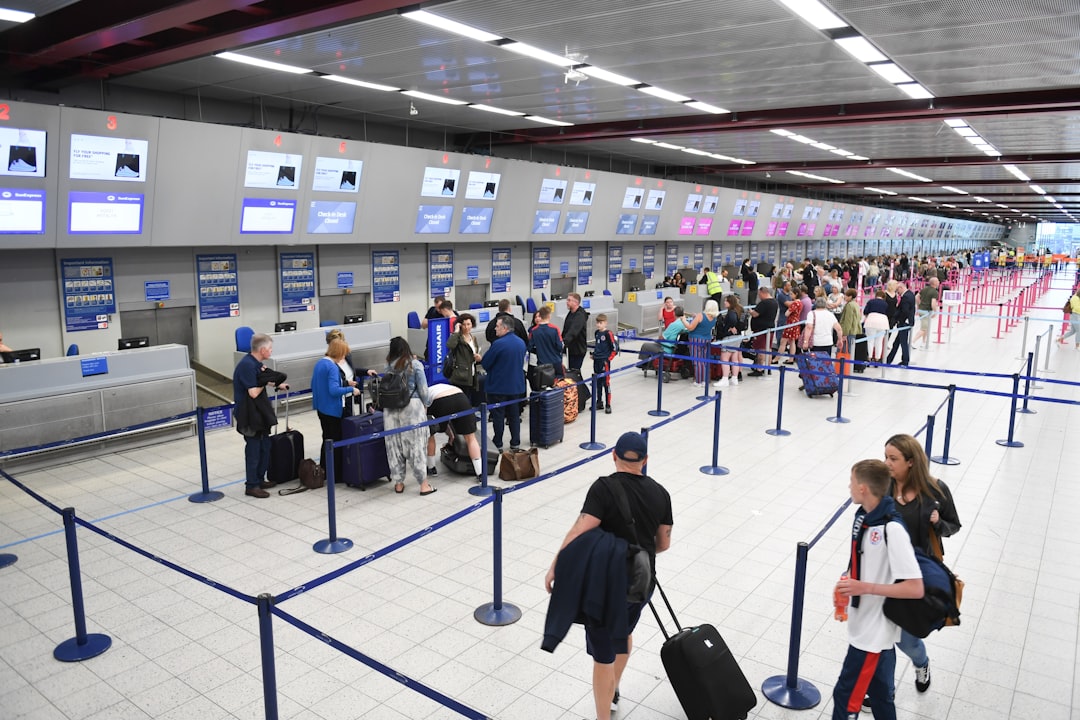
Despite the trend toward economic nationalism, global partnerships remain a valuable strategy for luxury travel brands. Working with international airlines, tour operators, and service providers can help expand offerings and reach new customers. These collaborations often result in exclusive packages and experiences that attract high-net-worth travelers seeking something special. By pooling resources, brands can also better manage the costs and risks of tariffs or trade restrictions. McKinsey research highlights that companies embracing collaboration are often more resilient and successful in the long run. Partnerships can also help brands tap into new markets, such as emerging economies where luxury travel demand is growing. The ability to adapt partnerships to changing political climates is vital. For many, a flexible and open approach to global relationships is a smart way to survive economic headwinds.
The Role of Government Policies

Government policies have a powerful impact on the luxury travel industry, from visa requirements to tariffs and taxation. When immigration laws get stricter, it becomes harder for international travelers to visit, affecting luxury hotels, restaurants, and tour operators. The U.S. Travel Association has warned that drops in international visitors could mean a loss of up to $180 billion in travel spending. Industry leaders must stay on top of policy changes, sometimes even lobbying for more favorable rules. Regulatory shifts can force brands to change their marketing strategies, pricing, and even the services they offer. Travel bans, new taxes, or trade disputes can all have immediate and dramatic effects on bookings and revenue. By working closely with policymakers and staying agile, luxury travel brands can better navigate a constantly changing environment. Understanding government trends is essential for long-term success.
Luxury Travel’s Resilience and Adaptation

Luxury travel has always been about adapting to the desires and expectations of the world’s most discerning travelers. Even in the face of economic nationalism, the sector is finding new ways to stay relevant and attractive. Brands are increasingly focused on flexibility, offering more generous cancellation policies and customizable experiences. This adaptability is crucial in a world where travel rules and economic conditions can change overnight. Some companies are investing in new types of luxury, like private villas, exclusive-use resorts, and adventure-focused trips. The willingness to listen to clients and evolve accordingly keeps brands ahead of the curve. The luxury travel industry’s history is filled with examples of overcoming challenges through creativity and service. This spirit of innovation and resilience continues to drive the industry forward, no matter the political or economic climate.