

Faith Under Fire (Image Credits: Pixabay)
In the warm glow of flickering candles inside modest homes across Southern California, a familiar icon watches over families navigating uncertain times.
Faith Under Fire
Imagine the tension in pews where prayers mix with whispers of worry. Catholic communities, long a backbone of American society, now face a dual reality under the current administration. On one hand, they’re wielding influence in high places; on the other, deportation raids are ripping families apart.
Priests report packed confessionals not just for spiritual reasons, but because congregants fear every knock at the door. The U.S. Conference of Catholic Bishops has stepped up, issuing strong statements against what they call attacks on human dignity. This isn’t abstract theology – it’s about real lives hanging in the balance.
Yet, amid the crackdown, Catholic leaders hold key roles in government and advocacy, creating a strange mix of power and peril.
The Immigration Clash Hits Home
From Boston to New Orleans, churches are adapting in bold ways. One parish even reworked its nativity scene to spotlight missing families, a quiet protest against ICE actions. It’s a symbol that resonates deeply in immigrant-heavy dioceses.
The bishops’ recent rebuke framed the issue in moral terms, urging protection for the vulnerable. Over 250 Border Patrol agents in Louisiana alone have heightened fears, leading to an unprecedented dispensation from Sunday Mass in New Orleans. Families are staying home, not out of laziness, but terror of raids.
This standoff echoes broader tensions, with Catholic Charities warning of widespread suffering as federal funding gets reviewed or cut.
Powerful Voices in the Storm
Catholics aren’t just victims here – they’re players. Figures in the administration and Congress draw from the faith, shaping policies even as their communities bear the brunt. It’s a paradox: influence at the top, upheaval at the grassroots.
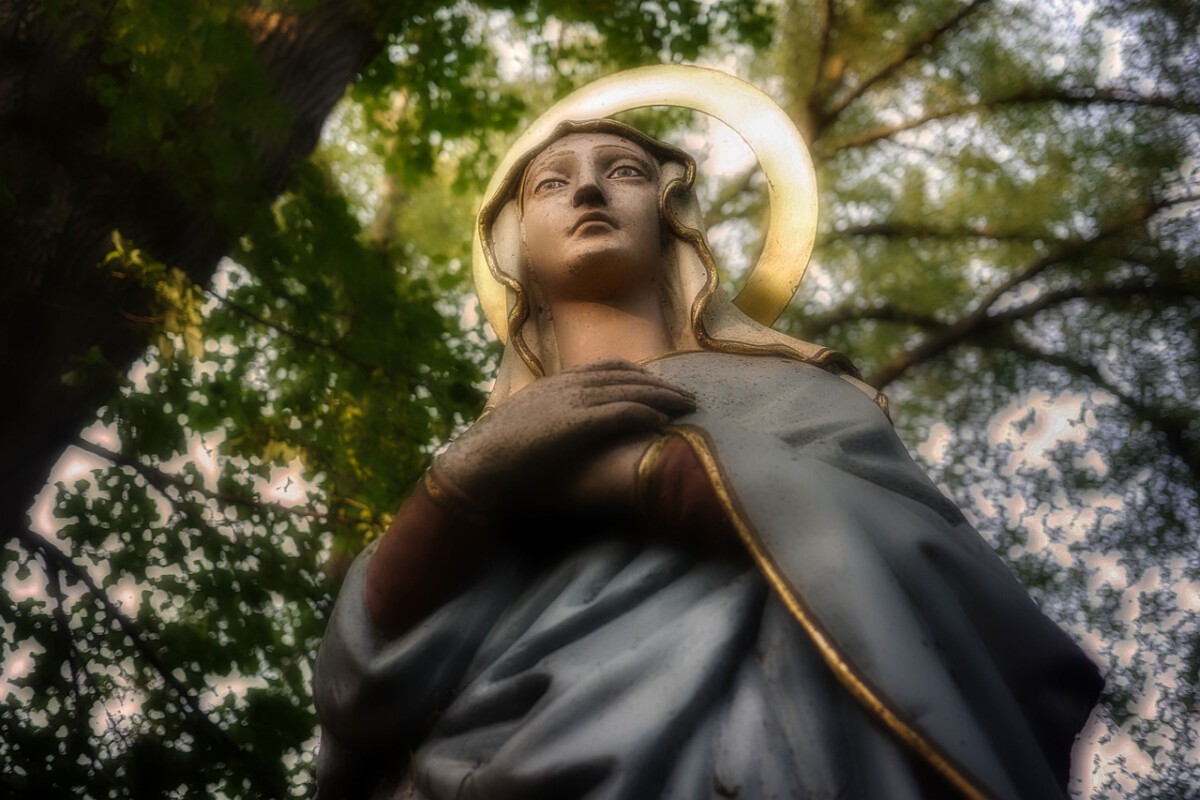
Take Southern California, where Our Lady of Guadalupe icons dot landscapes as symbols of endurance. These same areas see murals and front-yard shrines standing as beacons for those facing removal. The church’s moral authority challenges the regime directly, from letters to public campaigns.
Still, the friction grows, with outlets like The Atlantic noting a fundamental conflict between core Catholic principles and aggressive immigration enforcement.
Disaster Relief in the Shadows
When hurricanes strike, the stakes skyrocket for these communities. Fears of deportation keep many from seeking FEMA aid or church shelters, especially in hurricane-prone regions like the Gulf Coast. Past storms showed how Project 2025 proposals could slash disaster support, hitting Catholic-run relief hardest.
Catholic Charities, a go-to for storm recovery, now grapples with funding uncertainties. In North Carolina after Helene, volunteers aided families ignored by official channels, but scaled-back resources mean fewer hands on deck. Immigrants, often first responders in their neighborhoods, hesitate to step forward.
One vivid example: temporary housing ended for survivors in freezing conditions, forcing some into tents while deportation worries loom large.
Everyday Impacts on the Faithful
Daily life shifts subtly but profoundly. Refugee programs at places like Catholic Community Services in Oregon face setbacks from new asylum rules. Parents skip school events, workers avoid clinics – all to evade scrutiny.
Here’s a quick look at key strains:
- Church attendance dips due to raid fears in multiple dioceses.
- Funding cuts threaten aid for millions reliant on Catholic networks.
- Bishops’ campaigns rally support, but enforcement outpaces response.
- Symbols like Guadalupe inspire, yet highlight cultural targets.
- Disaster zones see uneven recovery, with immigrants sidelined.
These aren’t isolated incidents; they weave into the fabric of community survival.
Looking Ahead: Hope Amid the Turbulence
As policies evolve, Catholic groups push back with lawsuits, lobbying, and grassroots solidarity. The church’s history of resilience offers a glimmer – think of past migrations that strengthened the faith here. But urgency defines the moment.
In a small table of contrasts, the divide sharpens:
| Aspect | Power | Peril |
|---|---|---|
| Influence | Key roles in policy | Family separations |
| Relief Efforts | Charities lead aid | Funding threats |
| Community | Strong networks | Deportation fears |
Ultimately, this tests the soul of a nation that prides itself on welcoming the stranger. What steps can bridge this gap? Share your thoughts in the comments below.
Key Takeaways
- Catholic influence clashes with deportation realities, straining communities.
- Bishops and churches actively resist through statements and adaptations.
- Disasters amplify vulnerabilities, with aid gaps hitting immigrants hardest.