

The Persistent Blanket Over the Valley (Image Credits: Unsplash)
California’s Central Valley – A thick, unrelenting fog has enveloped the region for weeks, prompting widespread concern among residents as unusual particles appear within the haze.
The Persistent Blanket Over the Valley
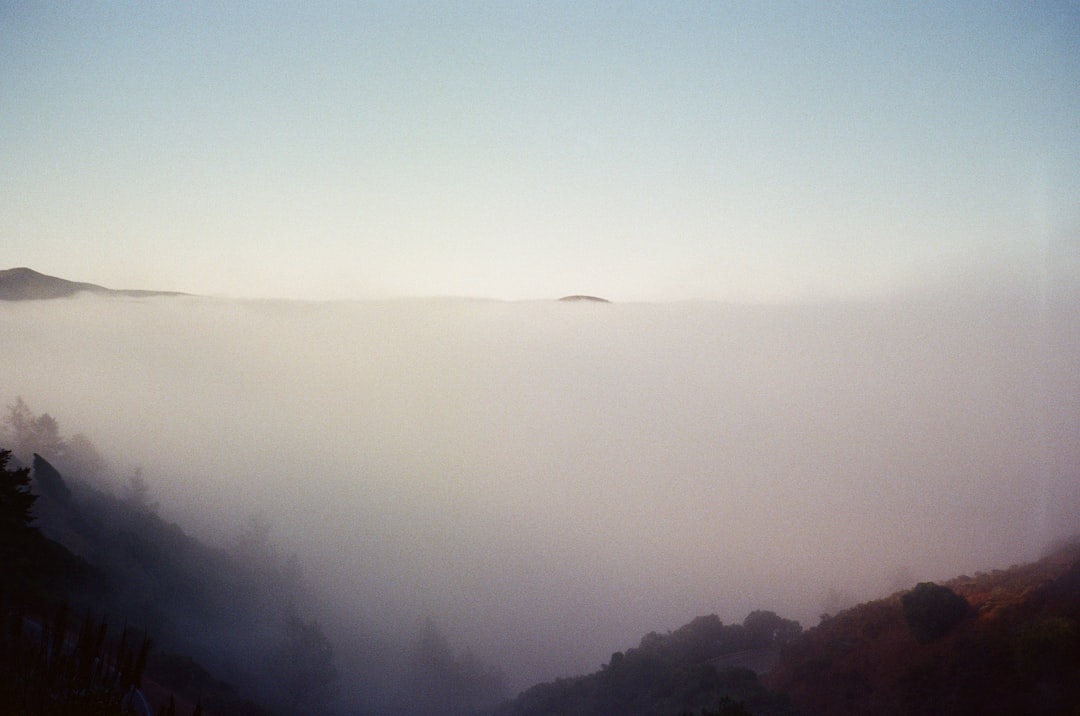
This fog, known locally as tule fog, formed under ideal winter conditions following a wet fall. Cold, moist air combined with temperature inversions trapped the low-lying clouds near the ground, creating a dense layer that stretched nearly 450 miles. Satellite imagery captured the phenomenon in mid-December, highlighting its scale across the agricultural heartland.
Unlike typical morning mists that dissipate quickly, this event lingered for over three weeks, disrupting daily life from Fresno to Bakersfield. Visibility dropped to mere feet in some areas, leading to traffic slowdowns and heightened caution among drivers. The fog’s endurance surprised even seasoned locals, who recalled similar but shorter episodes in past winters.
Experts from NASA noted that such formations arise from radiational cooling at night, where the ground loses heat rapidly, cooling the air above it and condensing moisture into fog. This natural process, while common in the valley’s flat terrain, intensified this year due to persistent calm winds and high humidity.
Social Media Erupts with Speculation
Posts on platforms like X flooded with videos and photos showing what users described as gelatinous flecks and specks clinging to cars, pools, and windows. Many expressed alarm, questioning if the particles were metallic remnants from distant storms or even something more ominous like parasites or chemical residues.
One common thread linked the fog to recent hurricane activity, with users suggesting debris from tropical systems carried northward mixed into the mist. Descriptions varied from “foam-like buildup” in swimming pools to “dry, floating chunks” that left residues without wetness. Concern grew as some reported irritation or unusual health symptoms, amplifying fears online.
Threads gained thousands of views, with reactions ranging from humorous memes about “alien invasions” to serious calls for testing. Residents shared tips on cleaning affected surfaces, while others urged local authorities to investigate. The buzz reflected a mix of curiosity and anxiety in a region already grappling with environmental challenges.
Experts Debunk the Rumors
Meteorologists and researchers quickly addressed the online frenzy, confirming the fog’s particles as natural byproducts rather than threats. The gelatinous appearance stemmed from pollen, dust, and organic matter suspended in the moist air, which clumped together during condensation. No evidence supported claims of metallic or hazardous contaminants.
Studies from environmental agencies explained that post-storm conditions, including those from distant hurricanes, could introduce fine debris into the atmosphere. However, this material diluted harmlessly in the vast fog bank. Radiation fog, as it’s technically called, forms through nighttime cooling and remains a benign, recurring feature of the Central Valley’s climate.
For more details on the satellite observations, see the NASA Science report. Scientists emphasized that while the fog reduced air quality slightly due to trapped pollutants, it posed no unusual health risks beyond typical winter haze.
Daily Life Amid the Haze
Farmers in the valley adapted by delaying fieldwork and monitoring crops for excess moisture, which could foster mold in orchards. Schools implemented remote learning on the foggiest days, and emergency services prepared for potential accidents. The event underscored the valley’s vulnerability to weather extremes, even in winter.
Health officials advised residents to limit outdoor exposure, stay hydrated, and use air purifiers indoors. Cleaning the specks required simple soap and water, as they dissolved easily without special treatments. As warmer patterns approached, forecasters predicted a gradual lift by late December.
Key Takeaways
- The fog is a natural tule formation driven by cold, moist conditions and inversions.
- Social media specks are likely pollen and dust, not dangerous substances.
- While disruptive, the event highlights routine Central Valley weather patterns.
In the end, this fog episode serves as a reminder of nature’s power to both awe and unsettle. As the valley emerges from the mist, it invites reflection on how everyday phenomena can spark collective imagination. What experiences have you had with unusual weather? Share in the comments below.