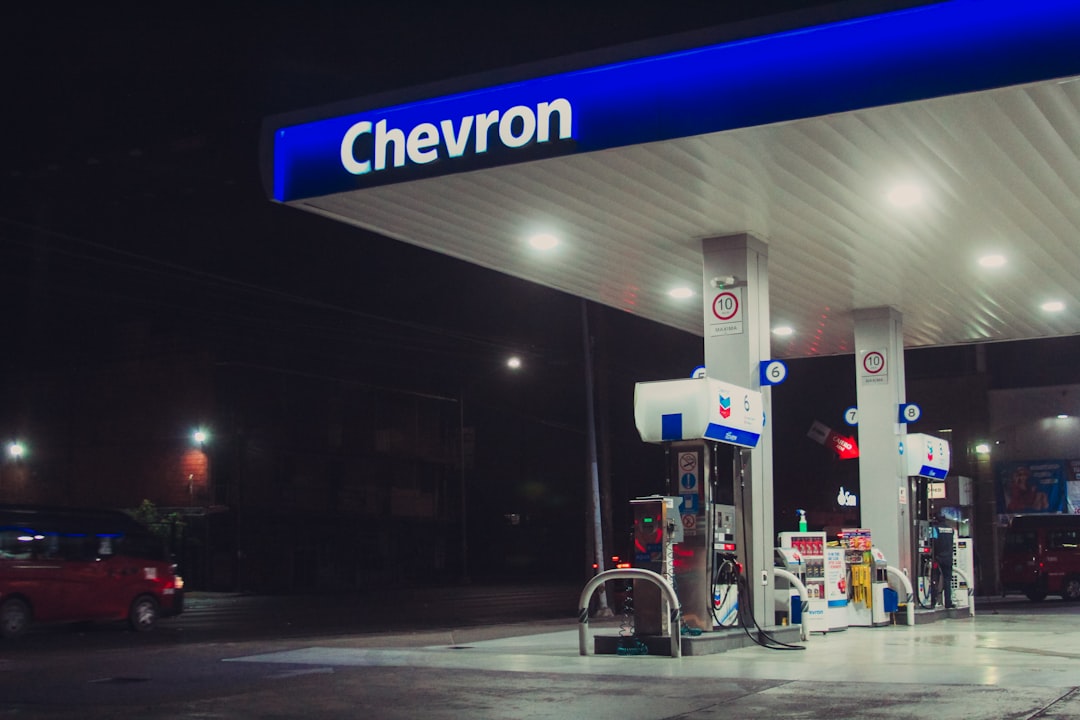


A Legacy Forged in Exploration (Image Credits: Unsplash)
California – The intricate relationship between the Golden State and Venezuela’s vast oil reserves has shaped energy markets for generations, anchored by Chevron’s pivotal role.
A Legacy Forged in Exploration
Chevron’s story in Venezuela began over a century ago, when early prospectors from California ventured south in search of new oil frontiers. The company, originally rooted in the state’s pioneering energy sector, established its first operations in Venezuela during the early 1900s. This marked the start of a partnership that would endure political upheavals and economic shifts.
By the mid-20th century, Chevron had become a dominant force in Venezuela’s Orinoco Belt, one of the world’s largest oil deposits. These efforts not only fueled California’s refineries but also built infrastructure that supported mutual economic growth. The ties strengthened as California emerged as a refining powerhouse, processing Venezuelan crude alongside domestic supplies.
Historical records show Chevron’s investments helped modernize extraction techniques, benefiting both nations. Yet, this collaboration faced tests from nationalizations in the 1970s, when Venezuela seized foreign assets. Chevron adapted, negotiating joint ventures that preserved its presence.
Navigating Sanctions and Survival
Despite escalating U.S. sanctions in recent years, Chevron remained the sole major foreign oil firm active in Venezuela. This anomaly stemmed from selective licenses granted by Washington, allowing limited operations to maintain influence over Caracas. As the largest foreign investor, Chevron produced significant volumes, shipping crude to U.S. Gulf Coast facilities.
The company’s resilience highlighted decades of oil politics. Formed in California and headquartered there until a recent relocation to Texas, Chevron’s Venezuelan assets represented a strategic foothold. In 2022, a U.S. license permitted resumed activities after opposition talks, underscoring the delicate balance of diplomacy and commerce.
Challenges persisted, including license expirations and geopolitical tensions. Reports indicated Chevron’s operations pumped around 200,000 barrels per day at peak pre-sanction levels, a volume that required substantial investment to sustain. This endurance positioned the firm uniquely amid broader U.S. policy shifts.
Recent Geopolitical Shifts Reshape the Landscape
The Trump administration’s aggressive moves in early 2026, including military strikes and declarations of control over Venezuelan oil, thrust Chevron’s role into the spotlight. President Trump announced plans to “get the oil flowing,” targeting Venezuela’s reserves estimated at over 300 billion barrels. Chevron responded cautiously, emphasizing compliance with U.S. directives while protecting its assets.
These developments echoed historical patterns of U.S. intervention in Latin American energy sectors. Chevron, alongside competitors like ConocoPhillips and ExxonMobil, had faced forced exits in prior years, leaving behind valuable infrastructure. Now, with U.S. oversight expanding, Chevron’s established operations offered a pathway for rapid production increases.
Analysts noted potential benefits for California, where refineries once processed Venezuelan imports heavily. Though Chevron’s departure from the state reduced direct ties, the influx of stabilized Venezuelan crude could ease domestic energy pressures.
Impacts on Energy Security and Beyond
Venezuela’s oil has long influenced California’s energy landscape, from supplying refineries to aiding disaster recovery. During Hurricane Harvey in 2017, Venezuela’s subsidiary Citgo provided $5 million in aid, drawing on shared industry networks. More recently, as Hurricane Hilary threatened Southern California’s facilities in 2023, concerns arose over disruptions to the 1.1 million barrels per day capacity.
These events illustrated the interconnected vulnerabilities. Chevron’s Venezuelan ventures helped diversify U.S. supplies, mitigating risks from domestic weather events. A list of key operational aspects underscores this:
- Joint ventures with Venezuela’s state-owned PDVSA for upstream production.
- Export routes prioritizing U.S. markets, including California historically.
- Adaptation to sanctions via specialized licenses since 2019.
- Investments in heavy oil upgrading to meet refining needs.
- Contributions to humanitarian efforts through subsidiaries like Citgo.
Such links extended to environmental considerations, with Chevron’s operations under scrutiny for sustainable practices in both regions.
Looking ahead, the U.S. push for Venezuelan resources could revitalize these ties, potentially boosting global supply chains. Chevron’s experience positions it to lead extraction efforts under new governance structures.
Key Takeaways
- Chevron’s century-long presence makes it indispensable in Venezuela’s oil sector.
- U.S. policy balances sanctions with strategic access to reserves.
- Historical bonds aid resilience against events like hurricanes.
As Chevron navigates this evolving dynamic, the California-Venezuela nexus remains a testament to oil’s power in international relations. One clear lesson emerges: enduring partnerships can weather storms, literal and figurative. What implications do these ties hold for future energy stability? Share your thoughts in the comments.