Hidden Sources Fuel Concerns Over Generic Drug Safety (Image Credits: Unsplash)
Washington, D.C. – U.S. Senators introduced the bipartisan Clear Labels Act to mandate disclosure of original manufacturing sites and key ingredient suppliers on prescription drug packaging.[1]
Hidden Sources Fuel Concerns Over Generic Drug Safety
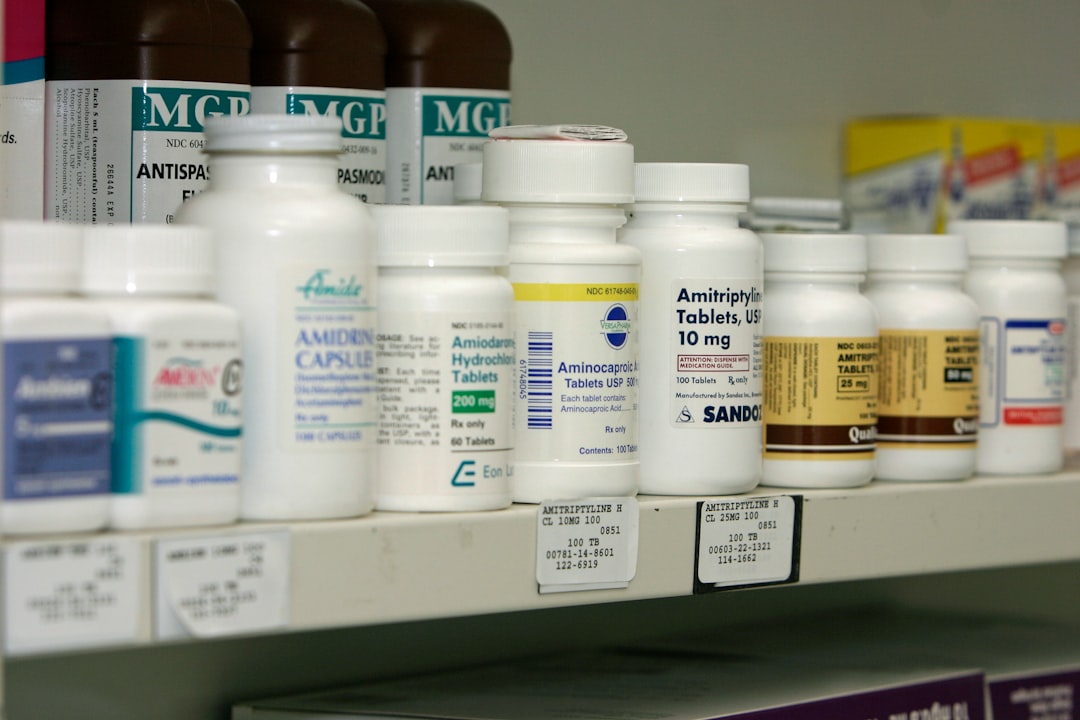
Ninety percent of prescriptions filled in the United States consist of generic drugs, many produced overseas, yet their labels rarely reveal true origins. Current packaging often lists only distributors or repackagers, obscuring factories with histories of violations. The Food and Drug Administration has allowed more than 20 troubled foreign facilities, mostly in India, to resume supplying medications after temporary bans since 2013.[1]
ProPublica investigations exposed these practices, including irregularities in widely prescribed generics that posed health risks. Pharmacists and physicians struggle to verify quality without public records requests or lawsuits. Such opacity undermines trust in the supply chain, especially as the FDA conducts limited post-market testing on generics.
Key Provisions for Greater Transparency
The Clear Labels Act targets both brand-name and generic drugs with straightforward requirements. Labels must identify the original manufacturer and suppliers of active ingredients. Packaging could feature a QR code linking to a website with details like factory locations and inspection records.[1]
These changes address longstanding gaps in disclosure. Supporters argue the measures empower patients, doctors, and pharmacists to make informed choices. Implementation would standardize information across the industry, reducing reliance on fragmented tools like ProPublica’s Rx Inspector database.[1]
- Original manufacturer name on all labels
- Key ingredient suppliers identified
- QR code for inspection histories and locations
- Applies to brand-name and generic drugs alike
- Public website for detailed supply chain data
Bipartisan Momentum Builds from Senate Scrutiny
Sens. Rick Scott (R-Fla.) and Kirsten Gillibrand (D-N.Y.) led the bill’s introduction, joined by cosponsors Sens. Ron Johnson (R-Wis.), Tommy Tuberville (R-Ala.), and Katie Britt (R-Ala.). The measure followed committee hearings and a 2025 bipartisan report criticizing FDA oversight. Witnesses, including Ohio State University professor John Gray, urged action.
“Every American deserves honesty and transparency about what they are putting into their bodies,” Sen. Scott stated. “It is wholly irresponsible that we’re living in the dark when it comes to where our medicines are made.”[1] University of Utah Hospital pharmacist Erin Fox added, “Everyone deserves to know where their medications are coming from.” Stanford’s Dr. Kevin Schulman highlighted market flaws: “You never go to the supermarket and buy the lowest price, most bruised fruit… And yet that’s the generic drug market.”[1]
Industry Views and Potential Hurdles
Brand-name drugmakers expressed openness to supply chain improvements. However, generic industry groups opposed added labeling, citing costs despite existing customs disclosures. Critics worry implementation could raise prices or burden smaller players.
Proponents counter that transparency justifies modest expenses, given public health stakes. The bill emerged from years of advocacy, including ProPublica’s lawsuits to unseal FDA data on nearly 40,000 products. Its timing aligns with heightened scrutiny of overseas manufacturing.
Key Takeaways
- The Act requires origin details on 90% generic-dominated prescriptions.
- QR codes enable quick access to factory inspections.
- Bipartisan support signals potential for passage amid FDA critiques.
The Clear Labels Act represents a pivotal step toward accountability in pharmaceutical supply chains, potentially reshaping how Americans view their medications. Patients stand to gain vital information for safer choices. What do you think about mandating drug origin labels? Share your views in the comments.