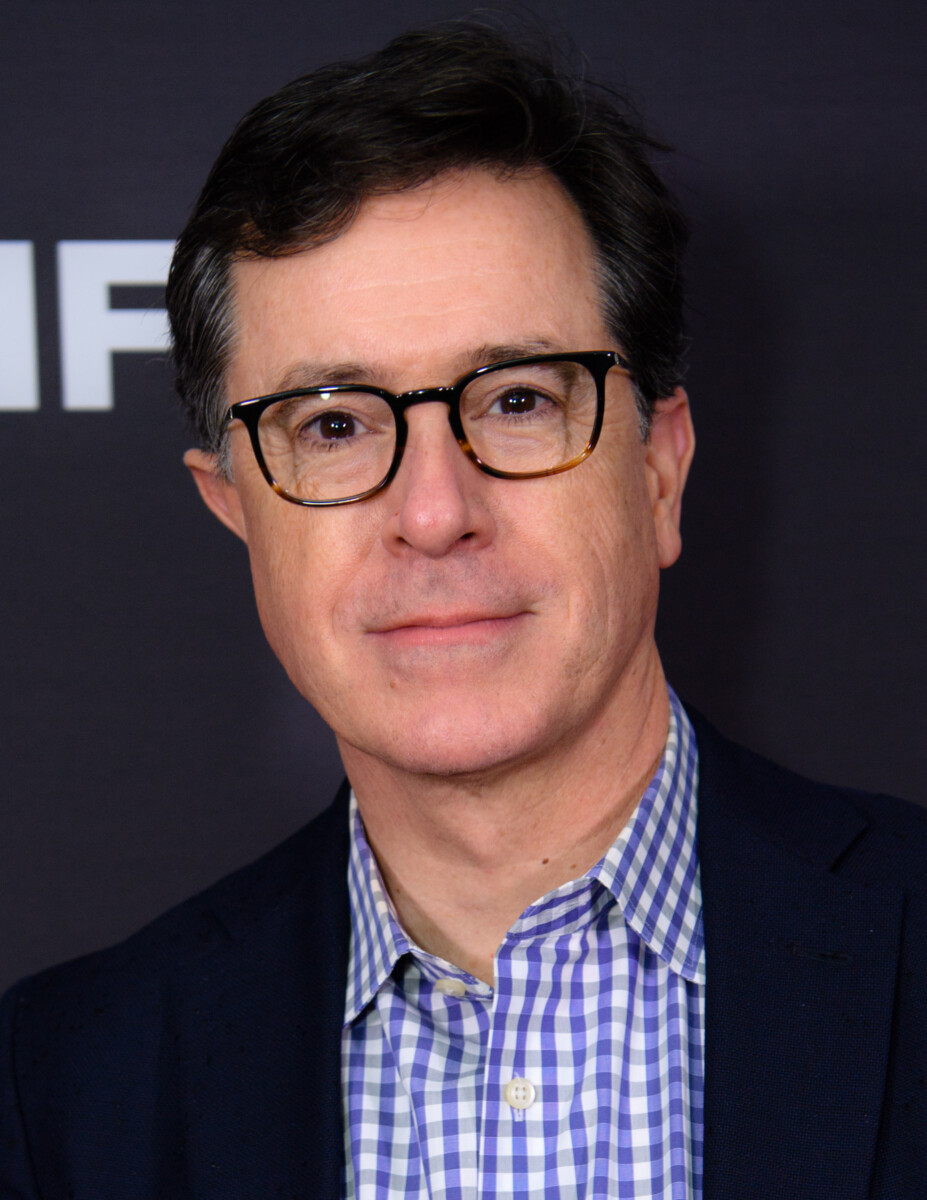
CBS Pulls Interview Amid FCC Scrutiny (Image Credits: Upload.wikimedia.org)
Stephen Colbert used his platform on CBS to challenge network executives and federal regulators in a monologue that highlighted threats to broadcast independence.
CBS Pulls Interview Amid FCC Scrutiny
Late last week, CBS’s legal division directed Stephen Colbert to scrap a planned interview with Texas Democratic state representative James Talarico on The Late Show.
The decision stemmed from an FCC investigation into Talarico’s recent appearance on ABC’s The View. Regulators cited the equal-time doctrine, which requires broadcasters to offer comparable airtime to political candidates during election periods. Talarico, running for office, had spoken critically of Republican policies without opponents present. FCC Chairman Brendan Carr, a Trump appointee, launched the probe to enforce the rule strictly.
Network lawyers also warned Colbert against mentioning the cancellation on air. Such steps reflected heightened caution amid regulatory pressure from the Trump administration. Talarico later described the episode as a form of cancel culture driven from the top.
Colbert Delivers Unfiltered Monologue
Undeterred, Colbert opened his show with a pointed monologue targeting CBS and Carr directly. He accused the FCC leader of partisan motives, stating, “You’re chairman of the FCC, so FCC you.”
Colbert argued that the administration sought to silence critics on television. “Donald Trump’s administration wants to silence anyone who says anything bad about him on TV because all he does is watch TV,” he declared. He highlighted inconsistencies, noting that right-wing talk radio faced no similar scrutiny.
To bypass the ban, Colbert posted the full Talarico interview on the show’s YouTube channel. The move drew praise for upholding journalistic principles. Talarico emphasized the broader risk: “Corporate media executives are selling out the First Amendment to curry favor with corrupt politicians.”
Equal-Time Rule Becomes Political Tool
The equal-time provision, part of the Communications Act, traditionally exempted news and talk programs. Viewers could distinguish these from campaign ads, regulators reasoned. Carr’s actions blurred those lines.
Similar pressures targeted other networks. The FCC urged ABC to suspend Jimmy Kimmel after comments on MAGA theories surrounding an assassination attempt on Charlie Kirk. Critics viewed these as selective enforcement favoring conservatives.
Here is a brief timeline of recent events:
- CBS acquires Skydance-Paramount, appoints Bari Weiss as news editor.
- Weiss oversees changes at CBS News, prompting staff concerns.
- Talarico appears on The View, triggers FCC probe.
- CBS cancels Colbert interview; host responds publicly.
CBS News Faces Internal Upheaval
Beyond the Colbert incident, CBS grappled with leadership shifts. Bari Weiss, new editor in chief, faced backlash for altering a 60 Minutes report on conditions at El Salvador’s CECOT facility. Anderson Cooper announced his departure from the program, citing editorial interference.
Senior producer Alicia Hastey accepted a buyout and shared a memo decrying the network’s rightward tilt. She noted a pivot from diverse perspectives to stories meeting “ideological expectations.” Anchor Tony Dokoupil’s sign-off on a Marco Rubio profile – “We salute you, Marco Rubio” – symbolized the tone for some observers.
These exits underscored tensions as The Late Show nears its end in spring 2026.
Key Takeaways
- CBS canceled a critical interview under FCC pressure, but Colbert aired his response anyway.
- The equal-time doctrine now challenges news exemptions, raising free speech alarms.
- Network changes under new leadership fuel staff departures and self-censorship fears.
Colbert’s defiance spotlights a media landscape under strain, where regulatory levers test First Amendment boundaries. Networks must balance compliance with core missions. What do you think about these pressures on late-night TV? Tell us in the comments.