Something unexpected is happening across America’s dining map. The cities and states that used to define fine dining and culinary ambition, your New Yorks, your San Franciscos, your Chicagos, are still impressive. Nobody is taking that away from them. But a quieter, stranger, arguably more exciting revolution is unfolding elsewhere. In corners of the country that once flew under the radar, chefs are relocating, farms are transforming restaurant menus, and food tourists are showing up with serious appetites.
The question isn’t whether America’s food culture is shifting. It clearly is. The real question is where it’s heading next, and which states are poised to become the country’s most talked-about culinary destinations. What you’re about to read might genuinely surprise you. Let’s dive in.
The Numbers Behind the Shift
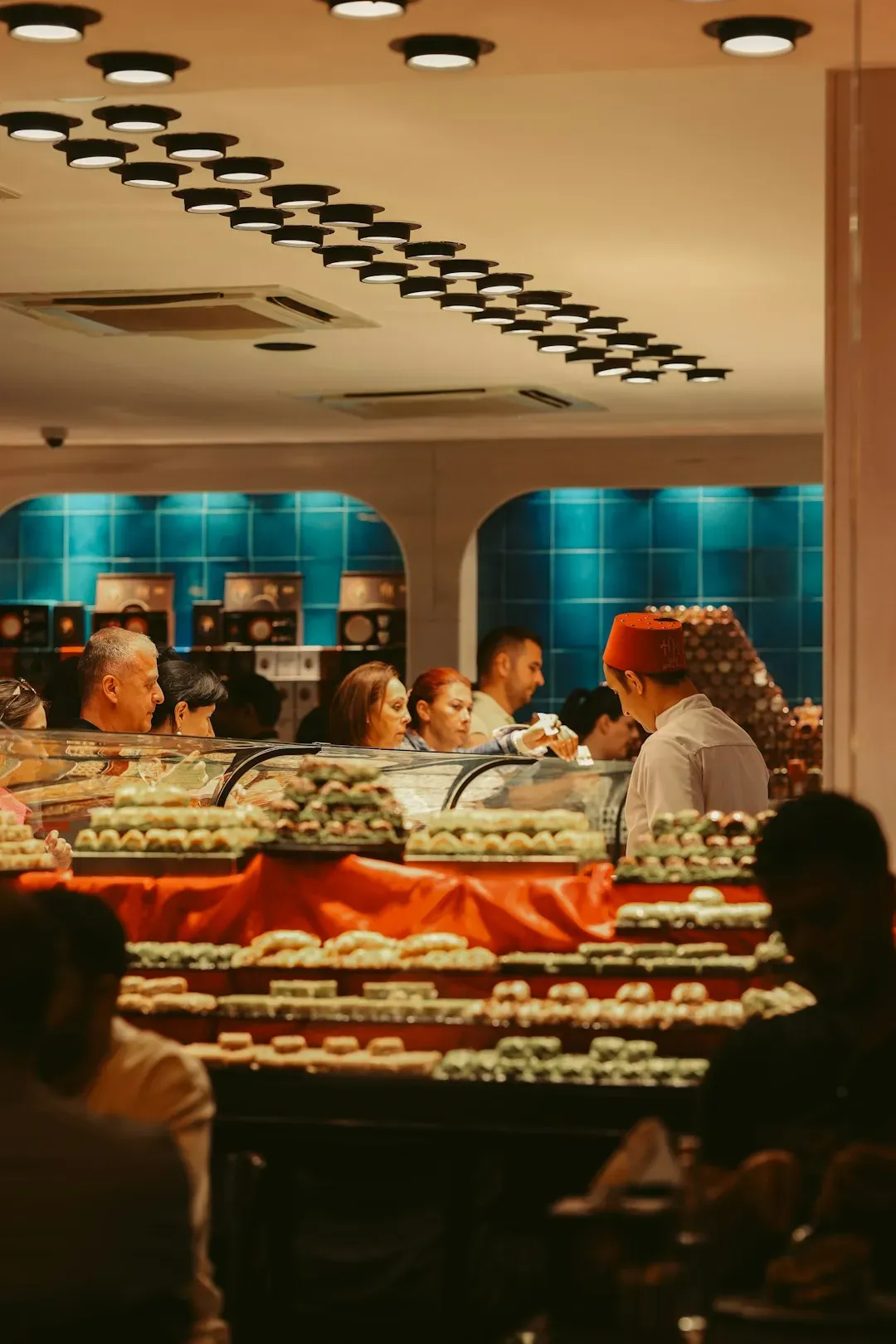
Here’s the thing most people miss when they talk about food trends: it’s not just about taste. It’s about economics. The country’s restaurant and foodservice industry is projected to reach $1.5 trillion in sales in 2025, a roughly four percent increase compared to 2024. That’s an enormous industry, and a lot of that growth isn’t happening in the usual places.
Yelp data reveals that the restaurant industry continued to see growth with openings up six percent from May 2023 to April 2024, compared to the same period the year before. Think about that for a second. Restaurants, despite higher operating costs and inflation headwinds, kept opening. Diners in emerging foodie cities like Charlotte and Dallas dine out more often than the average American, surpassing even cities like New York. The appetite, both literally and figuratively, has moved.
Why Chefs Are Leaving the Big Cities

This is honestly one of the most fascinating stories in American dining right now. Talented chefs who trained in New York or Los Angeles kitchens are packing up and heading to smaller, cheaper, less crowded markets. The Sun Belt dominates the top rankings, with Southern and Western states capturing four of the top five positions for projected culinary industry growth. That’s not a coincidence.
With rising food costs and ongoing labor challenges putting pressure on the industry, seasonal ingredients remain a chef’s best ally, and by focusing on what’s locally abundant and in season, restaurants can mitigate some financial pressures while still delivering exceptional dining experiences. In bigger cities, that philosophy is harder to execute affordably. In mid-sized regional markets, it becomes a genuine competitive advantage. Chefs get creative freedom. Diners get something real.
State #1: Texas – The Undisputed Leader
If you had to bet on one state to reshape American food culture, honestly, the data points firmly at Texas. Texas’ culinary industry is expected to grow by nearly twenty-five percent by 2032, the highest projected growth rate nationwide, translating to more than 52,000 culinary jobs created within the next six years. That’s not gradual growth. That’s a transformation.
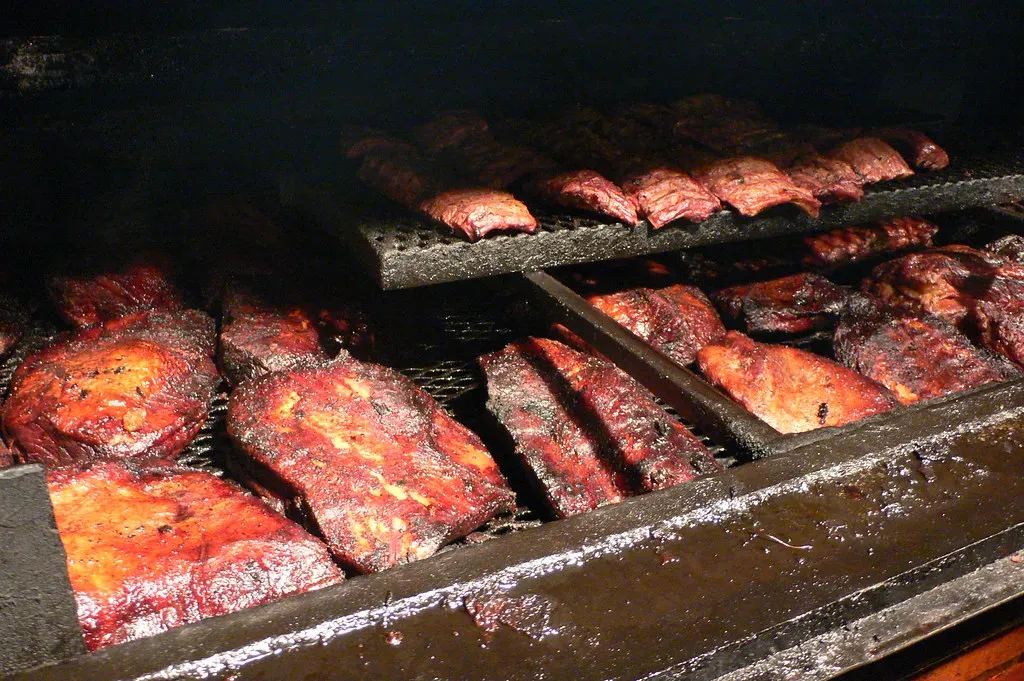
Famous for its barbecue, Austin’s food scene is a hearty mix of Texan tradition and fine dining, earning its place as one of the most exciting culinary destinations in the U.S. right now, with iconic spots serving world-class brisket and Tex-Mex, including Franklin Barbecue, a Bib Gourmand, where lines of eager diners wrap around the block. The Michelin Guide’s expansion into Texas in 2024 was a formal stamp of global recognition. Austin also has a thriving food truck scene highlighting everything from globally inspired fusion dishes to vegan comfort food, and farm-to-table dining is a cornerstone of the city’s ethos, with many chefs focused on bringing local, seasonal ingredients to their menus.
Texas Beyond Austin: The Cities You’re Sleeping On
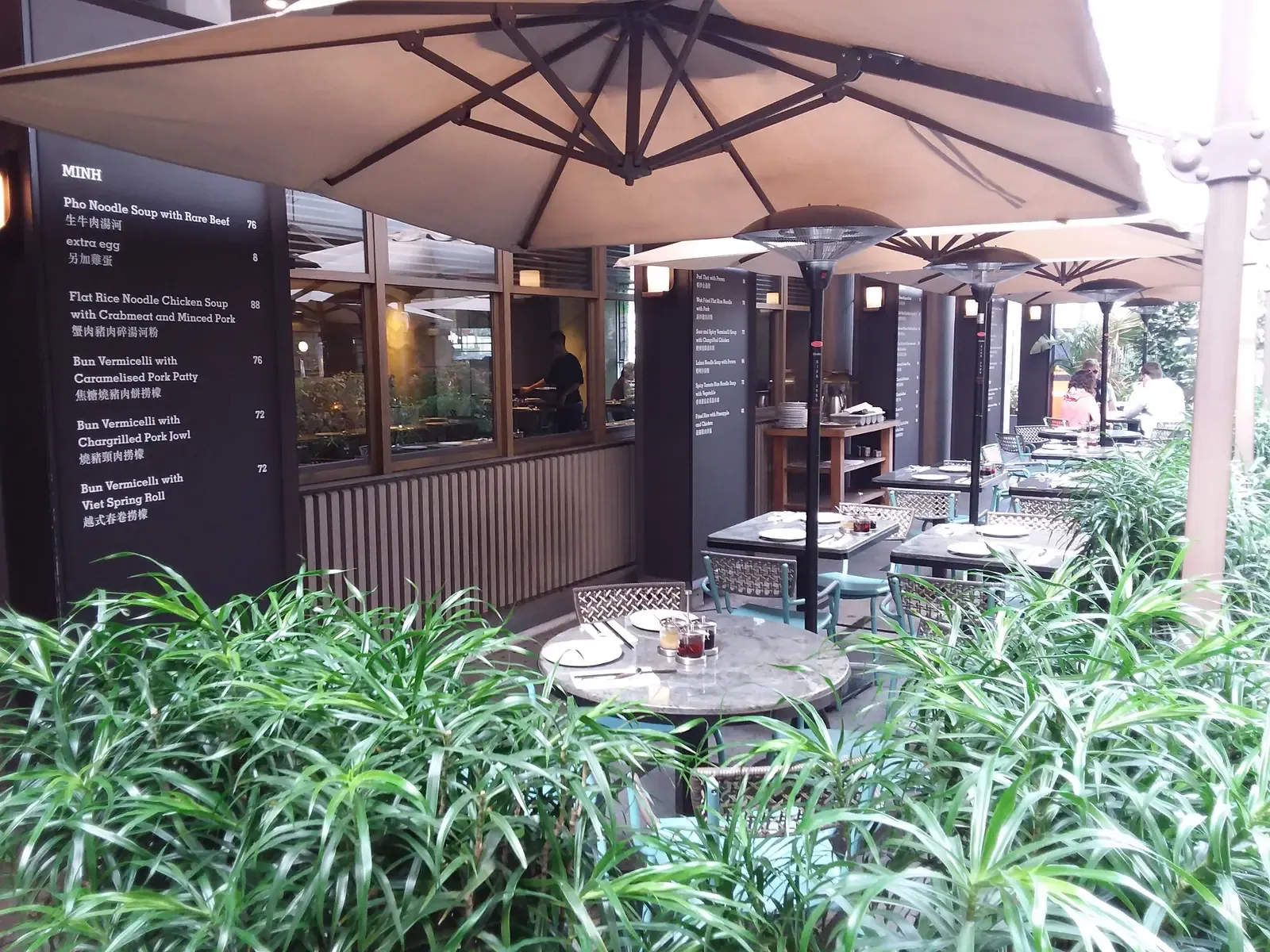
Let’s be real. Austin gets all the press. But Texas is so much more than one city with a long barbecue queue. Houston is the first of three Texan cities included in the top 20 foodie cities in the U.S., with more than 3.1 million hashtags across Instagram and TikTok related to its food scene alone. Social media and dining have become inseparable, and Houston is loud online for a reason.
Culinary sensibilities that blend global and biographical influences and ingredients are changing the ways Americans think and talk about food, with third-culture cuisine hailed as the rebirth of New American food by Bon Appétit, celebrating the plurality of American identities. Few cities embody that better than Houston, where Vietnamese, Nigerian, Mexican, and Southern traditions sit on the same block. Texas leads the pack, combining massive scale with a strong combined projected growth rate, and is expected to add over 52,000 culinary positions by 2032, more than any other state. The trajectory is clear.
State #2: Georgia – From Soul Food Stronghold to Global Contender

Georgia has always had soul. But what’s happening there now goes well beyond biscuits and sweet tea. The Southeast is particularly well-represented in culinary industry growth rankings, with Georgia, North Carolina, Tennessee, and Florida all appearing in the top ten. Georgia, in particular, stands out for a rare reason.
Only Georgia appears in both the high growth rate and outperforming projections top ten, suggesting it may offer the rare combination of strong momentum today and promising long-term prospects. That’s a powerful signal. It means Georgia isn’t just trending up on paper. It’s already delivering. Atlanta has grown from a Southern food stronghold into an eclectic, trendsetting food city, with new restaurants helmed by James Beard-nominated chefs nestling beside soulful BBQ joints and innovative cafes.
Atlanta’s Food Hall Revolution and What It Means
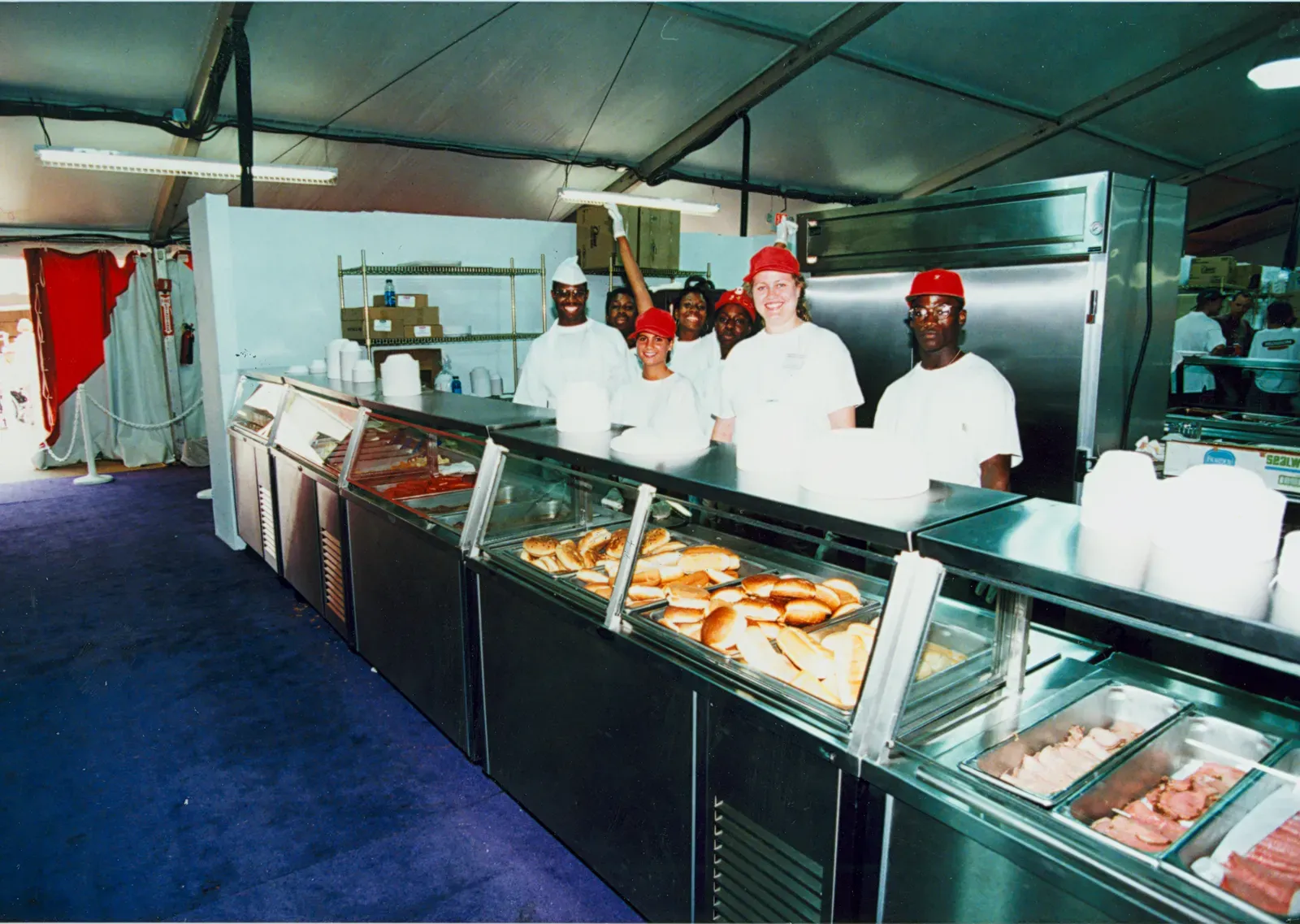
The arrival of a global food hall at Atlanta’s Westside Provisions District represents more than just another dining option, as Atlanta’s dining scene kicks off the new year with this major development that promises to reshape one of the city’s most popular culinary neighborhoods. Food halls have become incubators for emerging talent in a way that few other formats can match. Think of them like the farm team for future great restaurants.
Food halls have become incubators for future brick-and-mortar restaurants, with several of Atlanta’s most successful eateries beginning as stalls, using the collaborative environment to test menus, build a following, and scale sustainably, and the new Westside hall hopes to continue this trajectory by offering reduced start-up costs and a built-in customer base. Meanwhile, Atlanta’s palette is becoming increasingly more adventurous, and new restaurants featuring everything from Middle Eastern to Sichuan cuisine to Filipino cuisine are increasingly found on every corner in town. That diversity is the engine, not the aesthetic.
State #3: Tennessee – The Surprise Contender
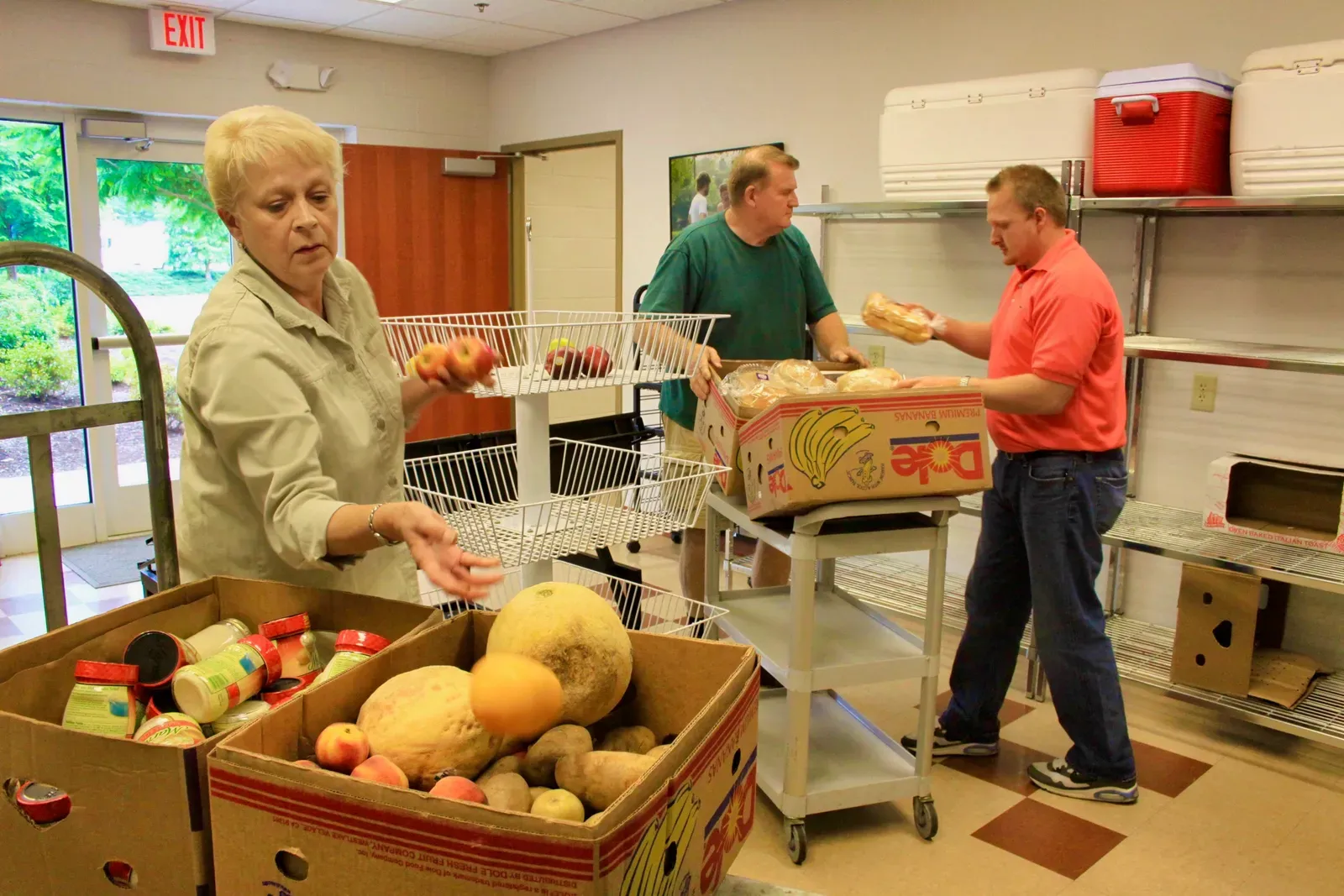
Tennessee is the one that raised my eyebrows the most, honestly. Everybody knows Nashville for hot chicken and country music. But this state is going somewhere much bigger, and the data backs it up. Tennessee ranks third nationally at 26.51 percent projected culinary workforce growth, making it the only Southern state to crack the top five in this category. Read that again. Third in the entire country.
And then came the Michelin moment. Tennessee marked a global milestone as one of six states selected for inclusion in the upcoming MICHELIN Guide American South, the first-of-its-kind regional guide designed to spotlight the South’s distinctive flavors and culinary talent. That is a very big deal. The MICHELIN Guide’s anonymous inspectors are already exploring Tennessee and the broader region, making dining reservations and scouting for regional culinary gems, with the full 2025 restaurant selection to be revealed later this year during the annual MICHELIN Guide Ceremony for the American South. For a state long overlooked by fine dining critics, that’s a genuine watershed moment.
Farm-to-Table Is Fueling All Three States
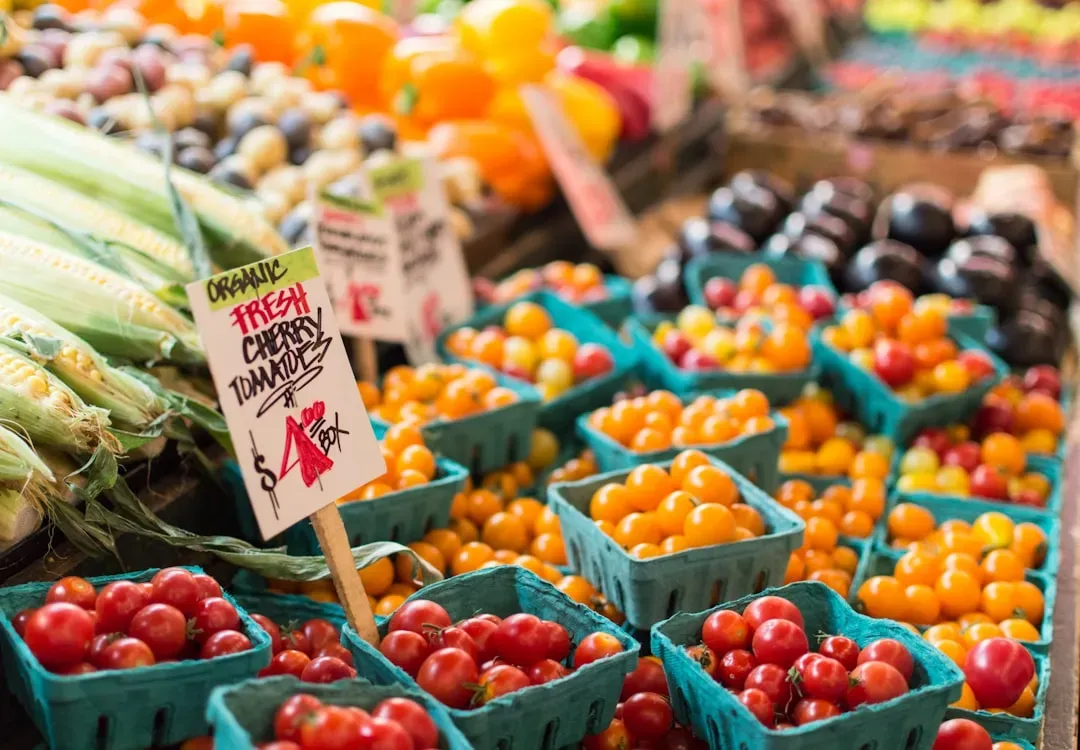
There’s a thread connecting Texas, Georgia, and Tennessee beyond geography. All three are deeply agricultural states with the kind of rich, local food systems that can anchor a serious dining culture. Farm-to-table dining has evolved from a trend to a fundamental approach that celebrates freshness, sustainability, and community connection, and in 2025, this philosophy is about shortening the distance between where food is grown and where it’s served. In large coastal cities, that distance is often enormous and expensive to close.
According to the National Restaurant Association, roughly three in four adults say they are more likely to visit a restaurant that offers locally sourced food, highlighting the growing demand for transparency and regional sourcing in modern dining. That stat matters enormously for states where local agriculture is genuinely abundant. When a chef in Nashville or Savannah can source heritage tomatoes from an hour away, the food tells a completely different story than one assembled from a national distributor’s catalog. Though starting a farm-to-table restaurant takes time and energy, the investment in building strong supplier relationships and creating flexible, seasonal menus ultimately yields a distinctive culinary identity that can set a restaurant apart in a competitive market.
Social Media and the Discovery Effect
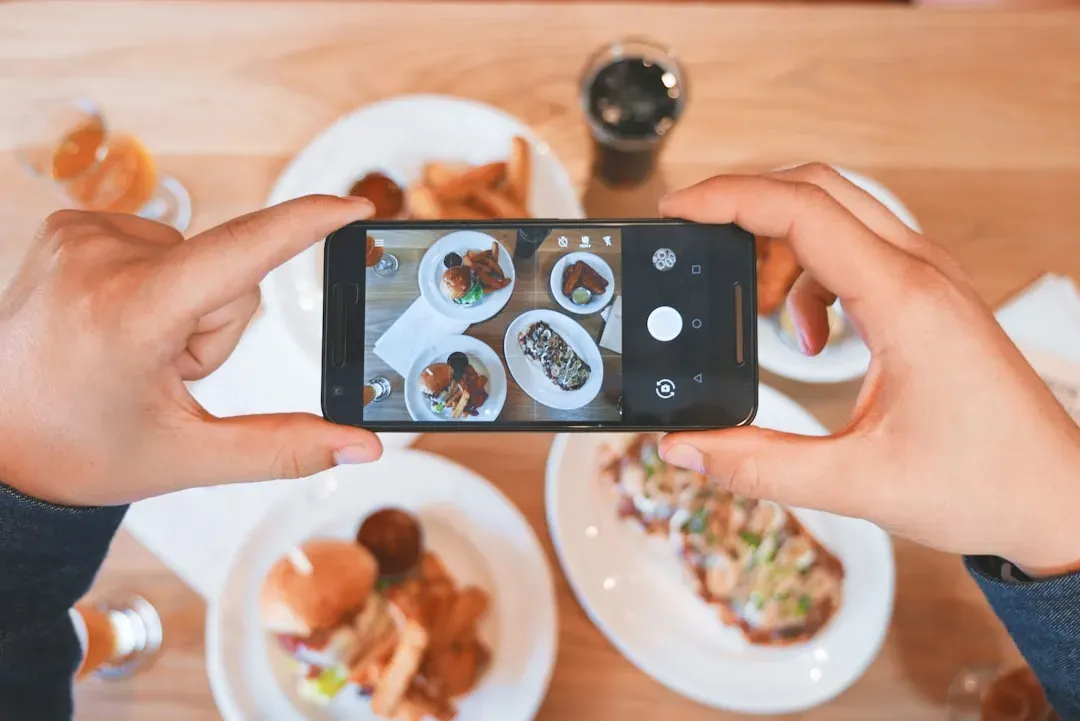
Nobody should underestimate how much platforms like TikTok and Instagram are reshaping where people choose to eat, and which regional food scenes gain national attention. As much as three in four diners use social media to decide where to eat, while more than two thirds check a restaurant’s social media account before visiting. That behavior is completely rewriting the foodie travel map.
A single viral video of Nashville hot chicken or an Atlanta suya pop-up can drive more bookings than years of traditional PR. Food tourism has been a travel trend globally for a long time, but especially with the growth of social media and content going viral in a matter of hours, it is now more popular than ever, providing vital insights into which U.S. cities are capturing food lovers the most online. For emerging regional scenes, that’s a massive equalizer. No marketing budget required, just genuinely good food and a phone camera. Diners now scroll for their next meal before leaving home, making digital presence non-negotiable for restaurant marketing, and operators are prioritizing websites and restaurant social media marketing to become more discoverable online.
What the Michelin Expansion Really Signals

It’s easy to dismiss Michelin stars as a European idea of what good food looks like. I get that critique. Still, the guide’s expansion into new American regions is worth paying attention to as a cultural signal, not just a culinary verdict. The Michelin Guide has expanded rapidly in recent years, adding guides for Colorado in 2023, Atlanta in 2023, Texas in 2024, and now the American South in 2025. That’s a deliberate, sustained march away from the traditional coastal strongholds.
Over in the USA, Austin keeps it delightfully creative, infusing elegance into its iconic Texan barbecue, which earned multiple MICHELIN Stars last year. That sentence would have seemed absurd a decade ago. Barbecue and Michelin Stars in the same breath? Yet here we are. The restaurant industry is expected to grow by four percent in 2025 according to the National Restaurant Association, and roughly four in ten operators anticipate stronger performance this year. The money, the talent, and the critical recognition are all moving in the same direction at once.
A New Chapter in American Food Culture
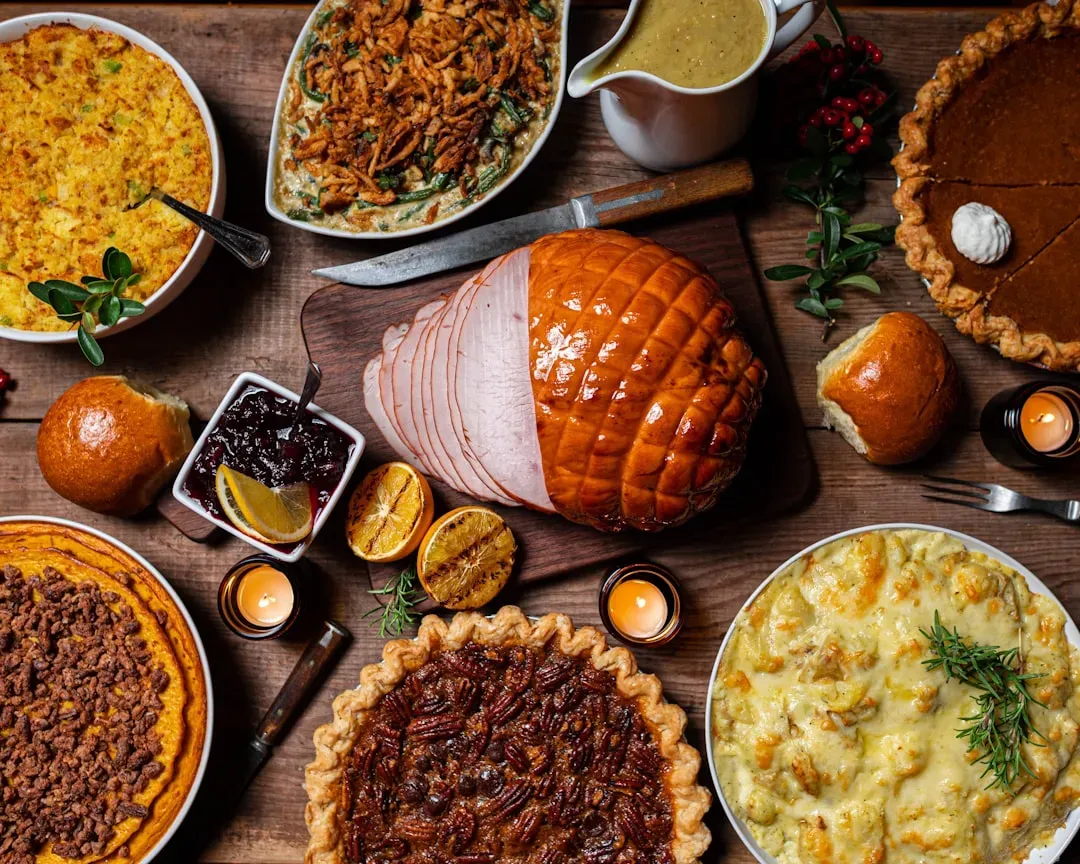
Something genuinely exciting is happening, and it’s worth paying attention to before these three states stop being surprises. The combination of chef migration, expanding agricultural infrastructure, surging social media discovery, Michelin coverage, and strong underlying job growth data creates conditions that are hard to ignore. Texas, Georgia, and Tennessee aren’t trying to become the next New York. They’re becoming something more original than that.
The best food cities aren’t always the ones with the most stars or the longest histories. Sometimes they’re the ones where a talented chef moved back home during a pandemic, found a market with great local produce, took a risk on a tiny restaurant, and ended up changing a neighborhood. That story is playing out right now, across all three of these states, simultaneously. If you haven’t planned a food trip to the American South or to Texas yet, it might be time to start looking at flights. What would you have guessed was America’s next big food destination? Tell us in the comments.