
Most of us move through the day on autopilot. Wake up, drink coffee, walk the dog, eat something, go to bed. It feels mundane. Ordinary. But here is what science has been quietly revealing over the past few years: those seemingly boring rituals might actually be adding years to your life, sometimes many years.
The research coming out of major health institutions between 2023 and 2025 is, honestly, a little mind-blowing. It turns out longevity is less about genetics than we used to think, and far more about the small, repeatable choices woven into each day. Let’s dive in.
The Eight Habits That Could Add Decades to Your Life

Let’s start with a number that genuinely shocked me when I first came across it. According to research from the VA Million Veteran Program, men who have all eight healthy lifestyle habits at age 40 would be predicted to live an average of 24 years longer than men with none of these habits. That is not a small gain. That is practically an entire second adulthood.
The eight habits identified are: being physically active, being free from opioid addiction, not smoking, managing stress, having a good diet, not regularly binge drinking, having good sleep hygiene, and having positive social relationships. No single one of them requires a gym membership or a nutritionist.
A study involving over 700,000 U.S. veterans confirmed that the estimated gain in life expectancy from adopting these healthy lifestyle factors grew slightly smaller with age, but remained significant, meaning that adopting healthier habits at an older age can still help you live longer. The takeaway is simple: it is never too late to start.
How Much Walking Is Actually Enough?

Here is the thing about step-count goals: they have been debated endlessly, and the truth is both simpler and more nuanced than the famous “10,000 steps” rule suggests. The largest analysis to investigate this found that the number of steps you need to walk each day to start seeing health benefits is actually lower than previously thought. Walking at least 3,867 steps a day started to reduce the risk of dying from any cause, while just 2,337 steps a day reduced the risk of dying from cardiovascular disease.
In a meta-analysis of 17 studies with almost 227,000 participants, researchers showed that a 1,000-step increment correlated with a significant reduction of all-cause mortality of 15%, and similarly, a 500-step increment correlated with a reduced risk of cardiovascular mortality of 7%. That means every extra block you walk genuinely counts.
A cohort study published in JAMA Network Open found a curvilinear dose-response between the number of days taking 8,000 steps or more throughout the week and a lower risk of all-cause and cardiovascular mortality at 10 years. Even participants who only took 8,000 steps on one or two days during the week showed substantially lower mortality risk. Think about that next time you feel like skipping a weekend walk.
The Sleep Window That Keeps Your Heart Healthy

Sleep is one of those areas where, I think, most people know they should do better but genuinely struggle to change. According to the Centers for Disease Control and Prevention, adults who regularly sleep 7 to 9 hours per night have better long-term health outcomes and lower risks of chronic diseases such as heart disease and diabetes. The data is consistent and hard to argue with.
Research from the VA Million Veteran Program found that poor sleep hygiene was associated with roughly a 20 to 30 percent increase in the risk of death during the study period. That alone should be alarming enough to take bedtime more seriously.
Sleep is not merely rest. It is the body’s maintenance window, the time when inflammation is reduced, hormones are regulated, and memory is consolidated. Treating it as optional is a bit like skipping oil changes on your car and wondering why the engine eventually gives out.
What You Eat Is Reshaping Your Life Expectancy Right Now

Diet is, without question, one of the most powerful levers available to anyone who wants to live longer. A 2023 Harvard T.H. Chan School of Public Health analysis found that diets rich in vegetables, fruits, whole grains, and healthy fats are associated with a lower risk of early death and chronic illness. The evidence here is extensive and remarkably consistent.
Using data from the UK Biobank, researchers found that sustained dietary change from unhealthy dietary patterns to healthier recommendations is associated with nearly 9 years of gained life expectancy for 40-year-old adults. Switching from an unhealthy diet to longevity-associated dietary patterns is associated with over 10 years of gained life expectancy in both men and women.
The largest gains come from consuming more whole grains, nuts, and fruits, combined with less sugar-sweetened beverages and processed meats. Not exotic superfoods. Not expensive supplements. Just the fundamentals, done consistently.
Your Social Life Is a Health Metric

This one surprises people every time. We tend to think of health in terms of food, exercise, and sleep. Rarely do we include Friday night dinners with friends. But the evidence here is genuinely striking.
In a landmark meta-analysis of 148 studies spanning over 40 years, researchers found that individuals with strong social ties were over 50% more likely to survive across the study periods compared to those with weak or absent connections. This survival advantage remains even after adjusting for age, baseline health, and socioeconomic status.
Living in isolation has been equated to smoking 15 cigarettes a day, with similar or greater impacts on mortality than excessive alcohol use, physical inactivity, or obesity. That is an extraordinary comparison, and yet most public health conversations still barely mention loneliness. Picking up the phone to call an old friend could genuinely be one of the healthiest things you do this week.
The WHO Activity Guidelines and Why They Matter More Than Ever

The World Health Organization recommends that adults aim for 150 to 300 minutes of moderate physical activity per week, and people who meet this guideline significantly reduce their risk of premature death. That breaks down to somewhere between 20 and 40 minutes a day. Most of us spend that much time scrolling.
Research from the VA Million Veteran Program found that low physical activity had one of the biggest impacts on an individual’s lifespan, and was associated with a 30 to 45 percent higher risk of death during the study period. Physical inactivity, in other words, is not a neutral choice. It is an active risk.
The encouraging part is that moderate activity, the kind that gets you slightly out of breath, a brisk walk, a bike ride, gardening, is sufficient. You do not need to run marathons or lift like an athlete. The bar is achievable for most people, and the returns are enormous.
Chronic Stress Is Quietly Stealing Your Years

Stress is one of the most underestimated threats to longevity. It is invisible, socially normalized, and often even praised. Yet the American Psychological Association is clear that chronic stress increases the risk of cardiovascular disease and can shorten lifespan, while daily stress-management practices such as meditation can meaningfully improve long-term health outcomes.
Stress during the VA Million Veteran Program study period was associated with roughly a 20 to 30 percent increase in the risk of death. Chronic stress, unlike a rough week at work, is not something the body simply absorbs without consequence. It erodes the cardiovascular system, suppresses immune function, and accelerates aging at a cellular level.
Chronic loneliness, itself a product of social and emotional stress, activates the stress response, increases inflammation, weakens the immune system, and disrupts sleep and heart health. Over time, this puts the body into a state of chronic wear and tear that accelerates aging and disease. Meditation, deep breathing, time in nature, all of these are not soft wellness trends. They are evidence-backed tools.
Lessons from the Blue Zones: Ancient Habits, Modern Proof
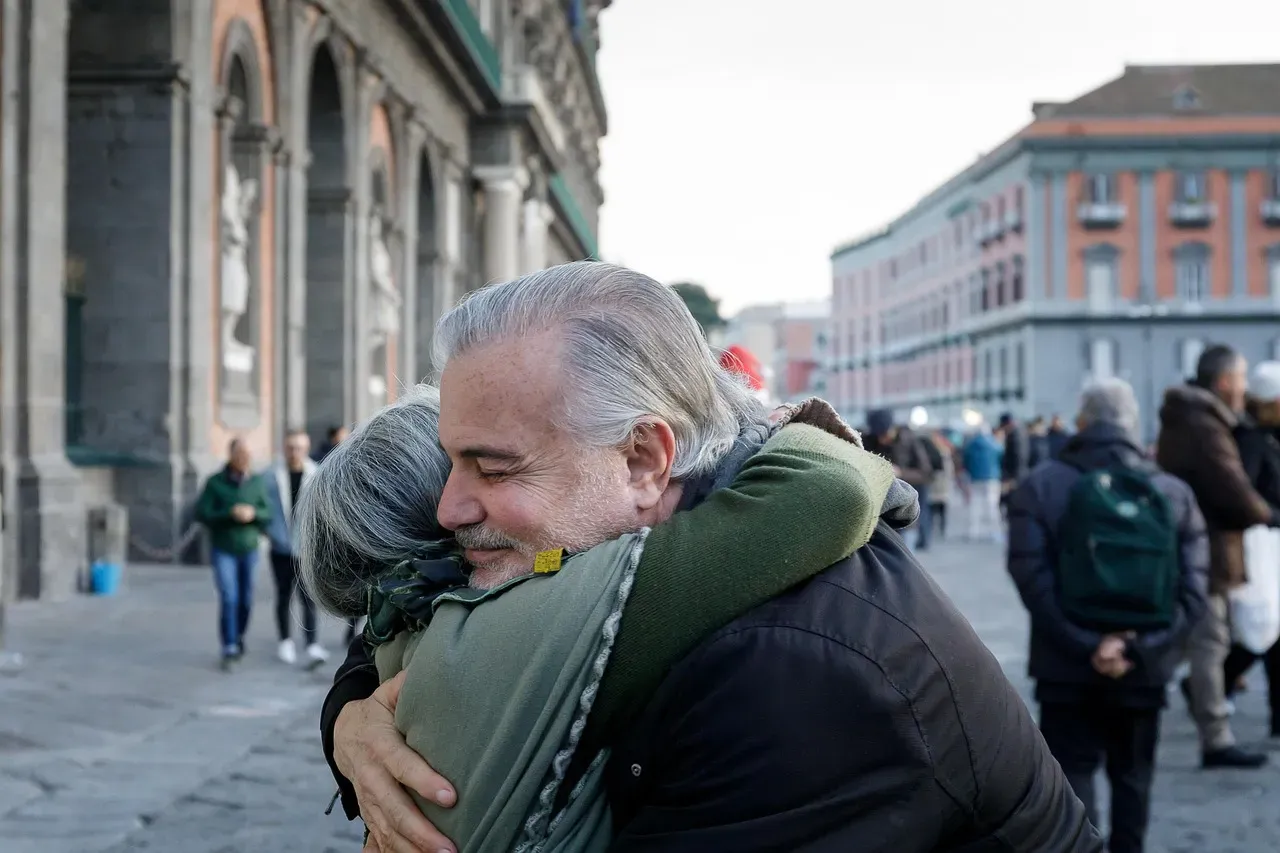
The Blue Zones are communities scattered across the globe, from Sardinia to Okinawa to a small peninsula in Costa Rica, where people regularly live past 90 and even 100. Researchers who have studied them extensively consistently find the same patterns. It is hard to say for sure whether it is nature, culture, or a combination of both, but the habits are strikingly uniform.
Daily movement is embedded into life rather than scheduled as a workout. Plant-based diets rich in legumes, vegetables, and whole grains dominate the table. Community and purpose are treated as essential, not optional. These are not extraordinary habits. They are ordinary ones, practiced consistently for a lifetime.
Studies of Blue Zone populations confirm that regular movement, plant-based diets, and strong community ties are common among people who live past 90 or 100. The patterns align almost perfectly with what the large-scale epidemiological studies are finding, which suggests these communities are not lucky, they are living proof.
The Alarming Truth About Preventable Deaths

Here is a number that should shake everyone: nearly four out of every ten premature deaths globally are linked to modifiable lifestyle factors. According to data aligned with findings from global health research and the 2024 Lancet Commission on Investing in Health, behaviors like poor diet, physical inactivity, smoking, and excessive alcohol use continue to drive preventable mortality at scale.
The Lancet Commission on Investing in Health found that dramatic improvements in human welfare are achievable by mid-century with focused health investments. Countries that choose to do so could halve the probability of premature death before age 70 by the year 2050. The opportunity is genuinely there.
As researchers frame it, death in old age is unavoidable, but premature death is not. That distinction carries weight. The deaths we are talking about, people dying in their 40s, 50s, and 60s from heart disease, diabetes, or respiratory disease, are in large part driven by daily choices that are, in principle, changeable.
Consistency Beats Perfection Every Single Time

The final point is one I think gets lost in the noise of wellness culture. Nobody is asking for perfection. Research published in JAMA Network Open found that adults who maintain consistent healthy daily habits, including physical activity, healthy eating, and not smoking, have a significantly lower risk of all-cause mortality compared with those who do not. Consistent. Not perfect.
In Western populations, differences in disease-free life expectancy of up to 10 years have been observed simply through avoidance of smoking, physical inactivity, overweight, and unhealthy dietary and alcohol habits. Ten years of healthier life. From habits most people could adopt gradually, without dramatic overhauls.
The estimated gain in life expectancy from adopting healthy lifestyle factors grew slightly smaller with age but remained significant, meaning that adopting healthier habits at an older age can still help you live longer. Whether you are 35 or 65, the evidence points in the same direction. Start somewhere. Stay consistent. The compounding effect over years is staggering.
Conclusion: The Ordinary Is Extraordinary

Looking at all of this together, one thing stands out. Longevity is not built in a hospital or a supplement bottle. It is built in the thousands of small daily decisions that most of us barely notice making. The walk after dinner. The extra hour of sleep. The Sunday lunch with family. The evening spent not doomscrolling but actually breathing.
Science has gotten remarkably precise about what extends life. The list is not complicated. Eat more plants. Move your body daily. Sleep enough. Manage stress. Stay connected to people you care about. Avoid smoking and heavy drinking. That is essentially it.
The question worth sitting with is not whether these habits work. The evidence says they do, clearly and consistently. The question is why, knowing all of this, so many of us still treat our health as something to deal with later. What would it take for you to start today?