

Every year, millions of travelers flock to well-worn paths, checking off the same famous sites from their bucket lists. You know the drill – taking selfies at the Grand Canyon, posing with the Statue of Liberty, or snapping a shot of the Golden Gate Bridge. These places are spectacular, no doubt about it.
Yet beyond the familiar corridors of mainstream travel, another story is unfolding across the United States. Small towns are seeing surges in tourism. Previously overlooked natural wonders are suddenly trending online. Quiet historic sites are becoming must-see destinations. Something interesting is happening here.
The US travel and tourism market reached $2.36 trillion in 2024, proving that Americans are more interested in exploring their own backyard than ever before. Roughly 97% of all trips were domestic, meaning local landmarks – those places you might have driven past hundreds of times – are capturing hearts and wallets. So what’s driving this shift toward hidden gems, and could your home state be sitting on the next big tourist attraction?
Why Social Media Is Rewriting the Travel Map

More than 75% of people now go on social media to search for inspiration, and that number keeps climbing. Gone are the days when travel agents or glossy magazines held all the power. Now, a single TikTok video showcasing a secluded waterfall or a quirky roadside museum can rack up millions of views overnight.
Among younger travelers, 44% specifically mentioned using TikTok for their travel explorations, while Instagram remains the visual playground for aspirational trips. This democratization of travel content means that any place – no matter how remote or unheard of – can suddenly become the next viral sensation. A hidden gem in Oregon or a forgotten historic district in Mississippi could trend tomorrow, and travelers will book flights based on what pops up in their feed.
The authenticity factor plays a huge role here. People are tired of overly curated, filtered experiences that feel manufactured. They want something real, something that hasn’t been trampled by tour buses and overcrowded selfie lines. Social platforms reward this rawness, pushing content that feels genuine and off the beaten path.
Rural America Is Having a Moment
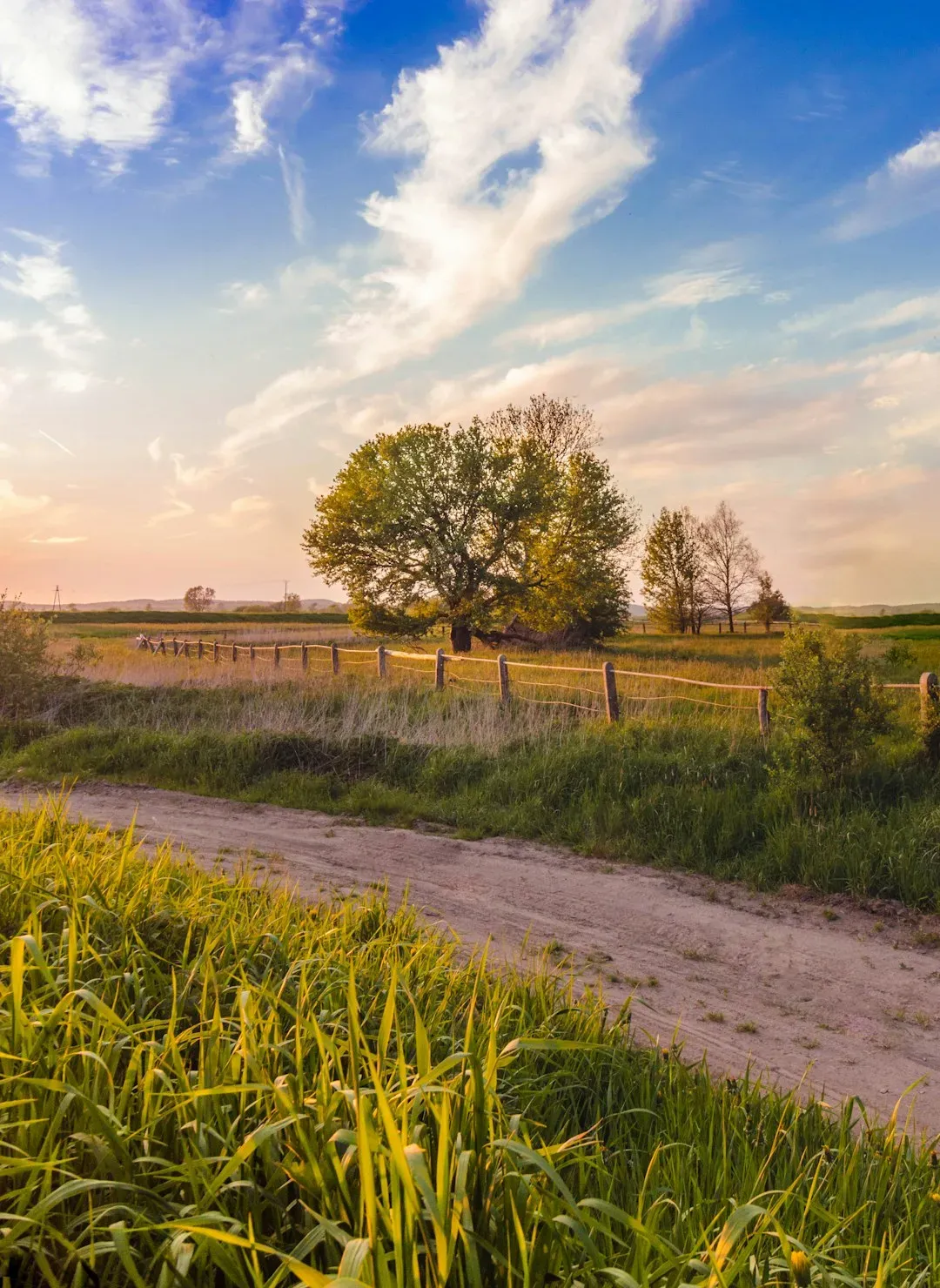
After years of pandemic lockdowns and urban exhaustion, travelers are increasingly drawn to small towns and rural landscapes. There’s a longing for open space, fresh air, and a pace that doesn’t require a five-year plan just to book dinner reservations.
Crater Lake in Oregon leads the charge as the most sought-after hidden gem attraction in the U.S., with an astonishing 203,475 monthly Google searches. Tucked away in the Cascade Mountains, Crater Lake National Park offers more than just stunning views – it’s the kind of place where you can actually hear yourself think. This trend extends beyond natural landmarks to include charming Main Streets, family-owned restaurants, and local festivals that capture regional character better than any theme park ever could.
State tourism boards are catching on fast. They’re investing in promoting these quieter destinations to spread visitor traffic and ease pressure on overcrowded hotspots. It’s a win-win: travelers get authentic experiences, and local economies see a much-needed boost.
How Infrastructure Upgrades Turn Overlooked Sites Into Destinations
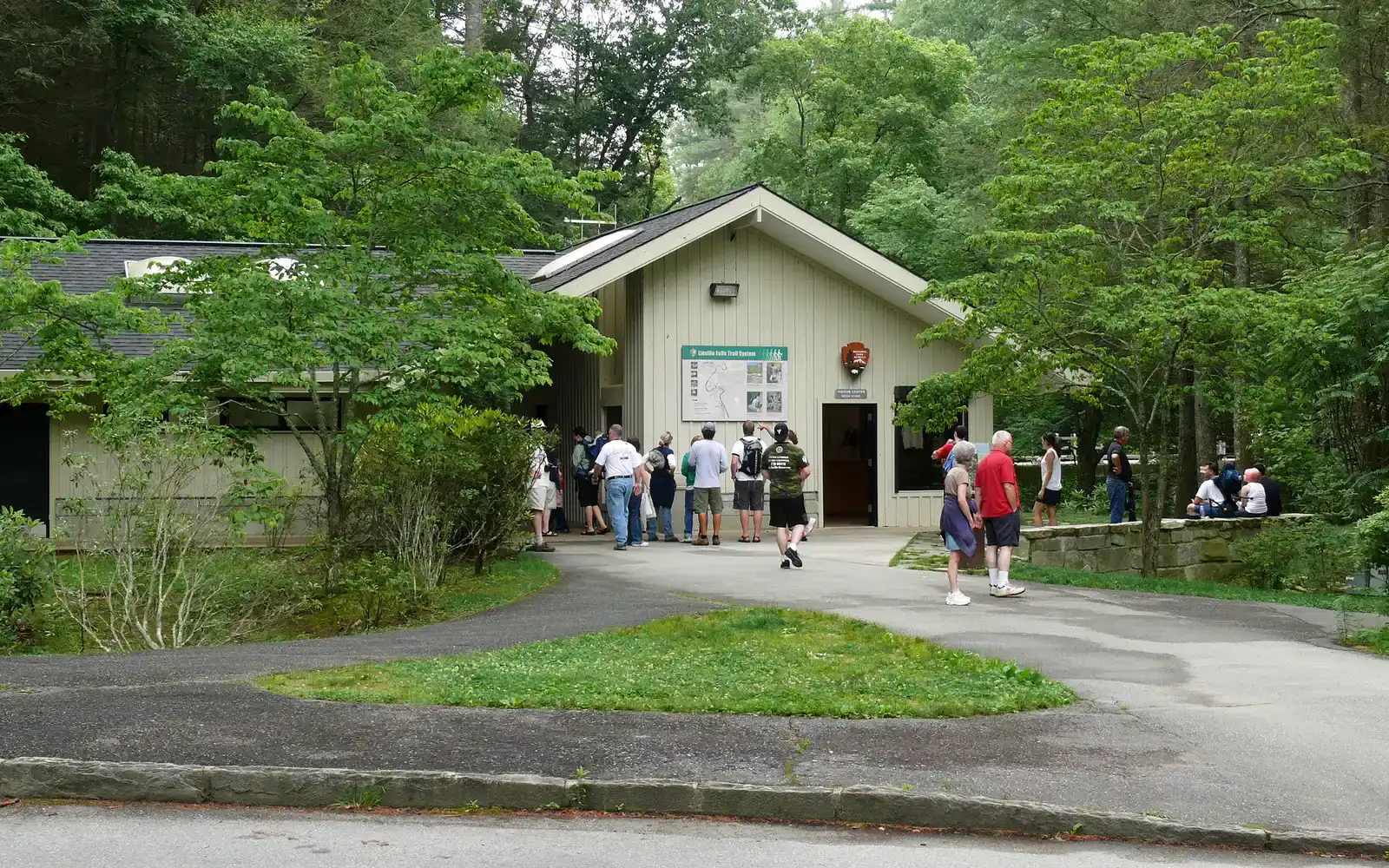
Sometimes all it takes is a new visitor center, improved trail access, or better signage to transform a forgotten landmark into a tourist magnet. Infrastructure improvements often precede spikes in visitation because they signal that a place is worth your time and effort.
Take West Virginia, which gets the fewest visitors of all US states but is set to change thanks to recent investment in tourism aimed at showing off its scenic assets, including hidden highlights such as the Waterfall Trail and America’s newest national park – New River Gorge. When a site receives federal or state designation – becoming a National Monument or gaining UNESCO recognition – it’s like flipping a switch. Suddenly, funding flows in, awareness grows, and what was once a local secret becomes a national talking point.
Even simple upgrades matter. A parking lot expansion or the addition of restrooms can make a site accessible to families and older travelers who might have skipped it otherwise. These changes don’t just make visits easier – they send a message that this place deserves attention.
The Power of Federal and State Designations
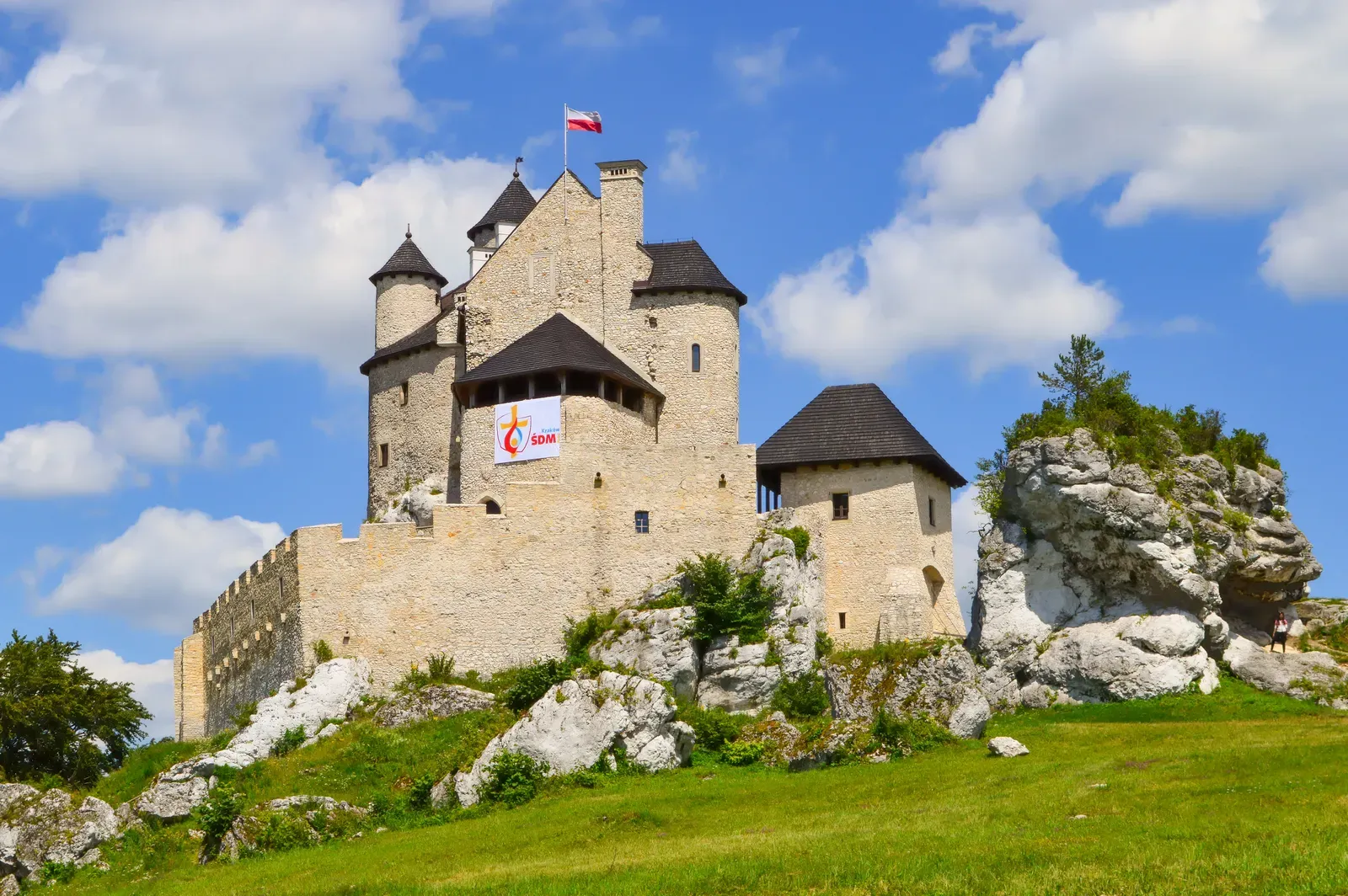
The over 2,600 National Historic Landmarks found in the U.S. today come in many forms: historic buildings, sites, structures, objects, and districts. Yet despite their national significance, many receive far fewer visitors than major attractions. That’s starting to change as travelers actively seek out places with deeper cultural value and historical resonance.
Federal and state designation programs act as seals of approval. When a site earns National Historic Landmark status or becomes part of the National Park System, it gains legitimacy and visibility. The Secretary of the Interior announced the designation of 19 new National Historic Landmarks in December 2024, showing that this process is ongoing and dynamic.
These designations often come with preservation funding, educational programming, and marketing support. They also attract heritage tourists – travelers who prioritize authentic local experiences and cultural immersion over generic sightseeing.
Domestic Travel Spending Proves Americans Want Local Adventures
Let’s talk numbers for a second. Total domestic travel spending reached $1.3 trillion in 2024, an increase from $1.2 trillion in 2023. That’s not just inflation at work – that’s genuine demand for exploring what’s right here at home.
Domestic tourism remains the dominant force in US travel, with 2.36 billion trips recorded recently. Americans are choosing road trips, weekend getaways, and regional explorations over expensive international flights. This shift benefits lesser-known landmarks because travelers have more flexibility to explore places that don’t require a passport or a two-week vacation block.
Honestly, it makes sense. When you’re not spending thousands on airfare and hotels in Paris, you can afford to take multiple shorter trips throughout the year. That might mean discovering a state park two hours from home or finally visiting that historic mill town your grandparents always talked about.
National Parks Are Crowded, But Lesser-Known Sites Aren’t
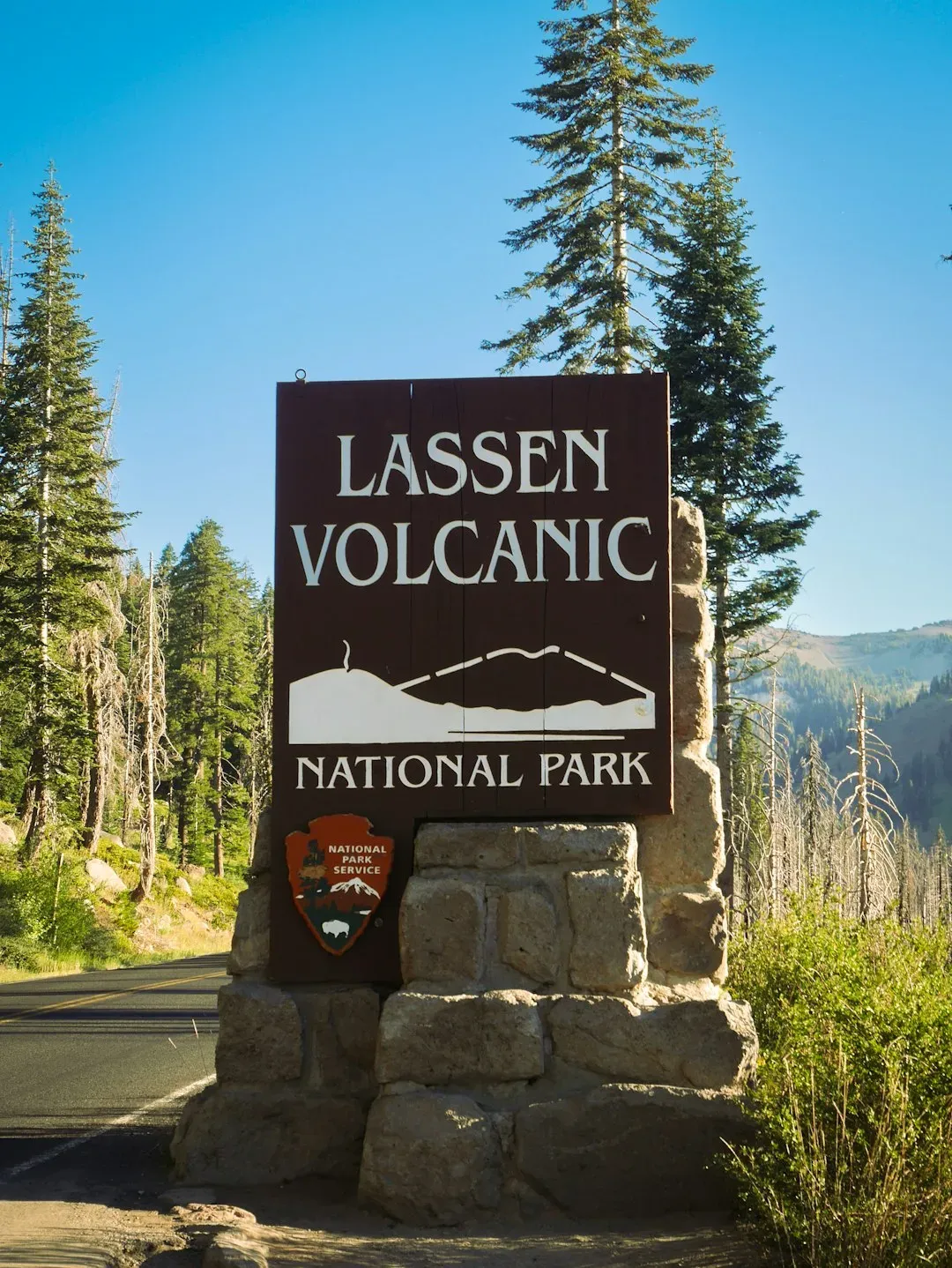
The United States hosted a total of 2.43 billion trips in 2024, and many of those trips included stops at national parks. The problem? Popular parks are bursting at the seams. Yosemite, Yellowstone, and the Grand Canyon regularly implement timed entry systems just to manage crowds.
Meanwhile, lesser-known National Historic Sites, National Monuments, and state parks offer similar beauty and significance without the hassle. Think of places like Grand Teton National Park in Wyoming, which is often overlooked by visitors in favor of neighboring national parks like Yellowstone and Glacier. Or consider the Badlands in South Dakota, similarly rated highly by visitors but missing out on the top spot due to lower search volume than Grand Teton.
These places aren’t lacking in splendor – they’re just waiting to be discovered. As overtourism becomes a bigger issue at marquee sites, more travelers will seek refuge in these quieter alternatives.
Heritage Tourism Is Growing Among Younger Generations
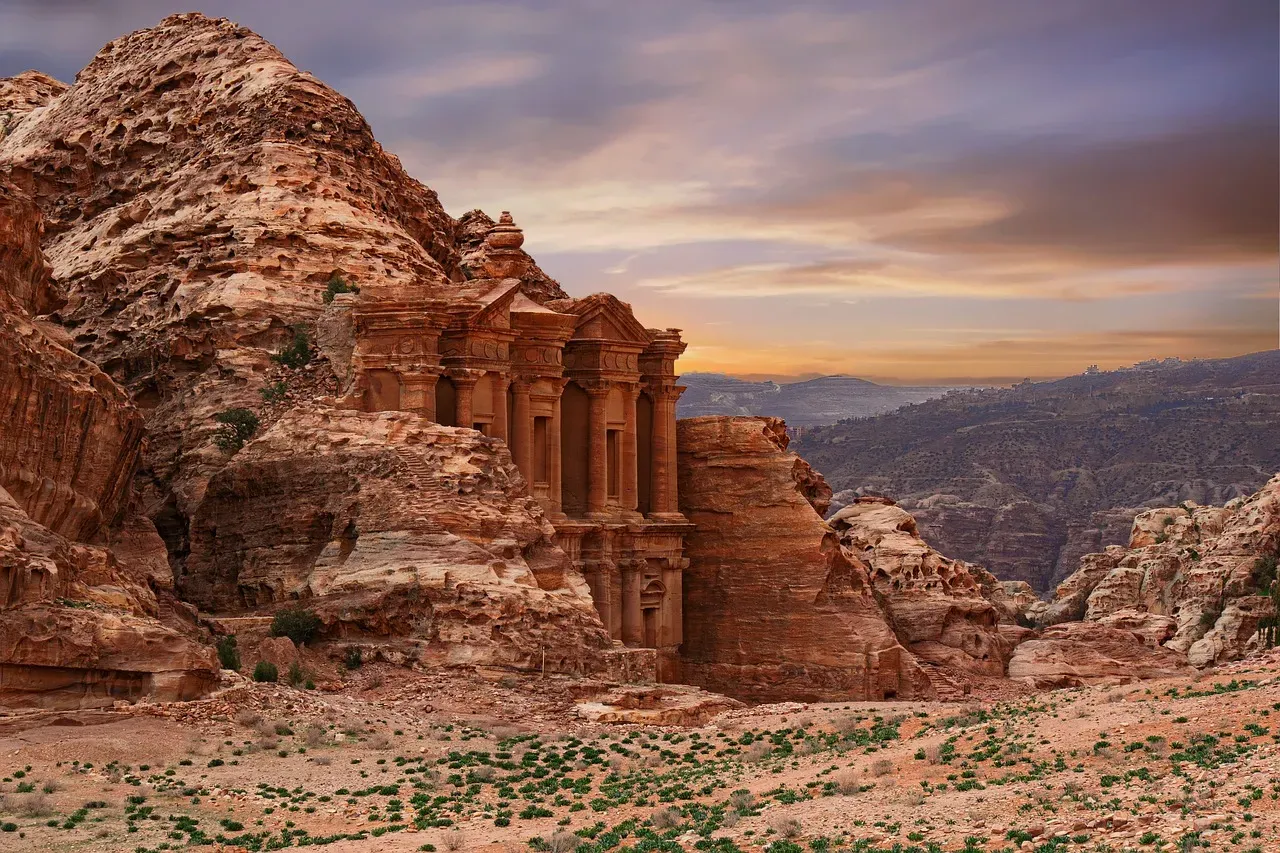
You might assume heritage tourism appeals mainly to older travelers, but younger generations are increasingly drawn to sites that tell authentic stories about American history and culture. They want to understand where they come from, explore complex narratives, and engage with places that hold real significance.
By rallying around the places that bring these stories to life, communities are not only empowered by their unique pasts, but also safeguarding a sense of identity, continuity, and vitality for the future. This movement is visible in grassroots efforts to preserve historic neighborhoods, revitalize Main Streets, and protect culturally significant landmarks from demolition or neglect.
Take Little Tokyo in Los Angeles, for example. Little Tokyo is now home to over 400 small businesses, including approximately 50 long-time legacy businesses, yet it faces pressure from gentrification. Communities are fighting to maintain these cultural anchors because they represent something irreplaceable – a living connection to history that no museum exhibit can fully replicate.
State Tourism Boards Are Getting Smarter About Marketing

State tourism officials aren’t sitting around waiting for travelers to stumble upon hidden gems by accident. They’re actively investing in digital campaigns, influencer partnerships, and content marketing to shine a spotlight on lesser-known destinations.
Hotels in the Santa Barbara area have recorded year-on-year occupancy increases of 8-9%, while passenger numbers through Santa Barbara Airport are up 11%. That kind of growth doesn’t happen by accident – it’s the result of targeted promotion and strategic positioning.
States with fewer traditional tourist draws are especially aggressive in this space. They’re leveraging social media algorithms, partnering with travel bloggers, and creating compelling visual content that makes their hidden landmarks look irresistible. It’s working. Travelers are paying attention, and booking numbers reflect that shift.
Why Emerging Landmarks Matter for Local Economies
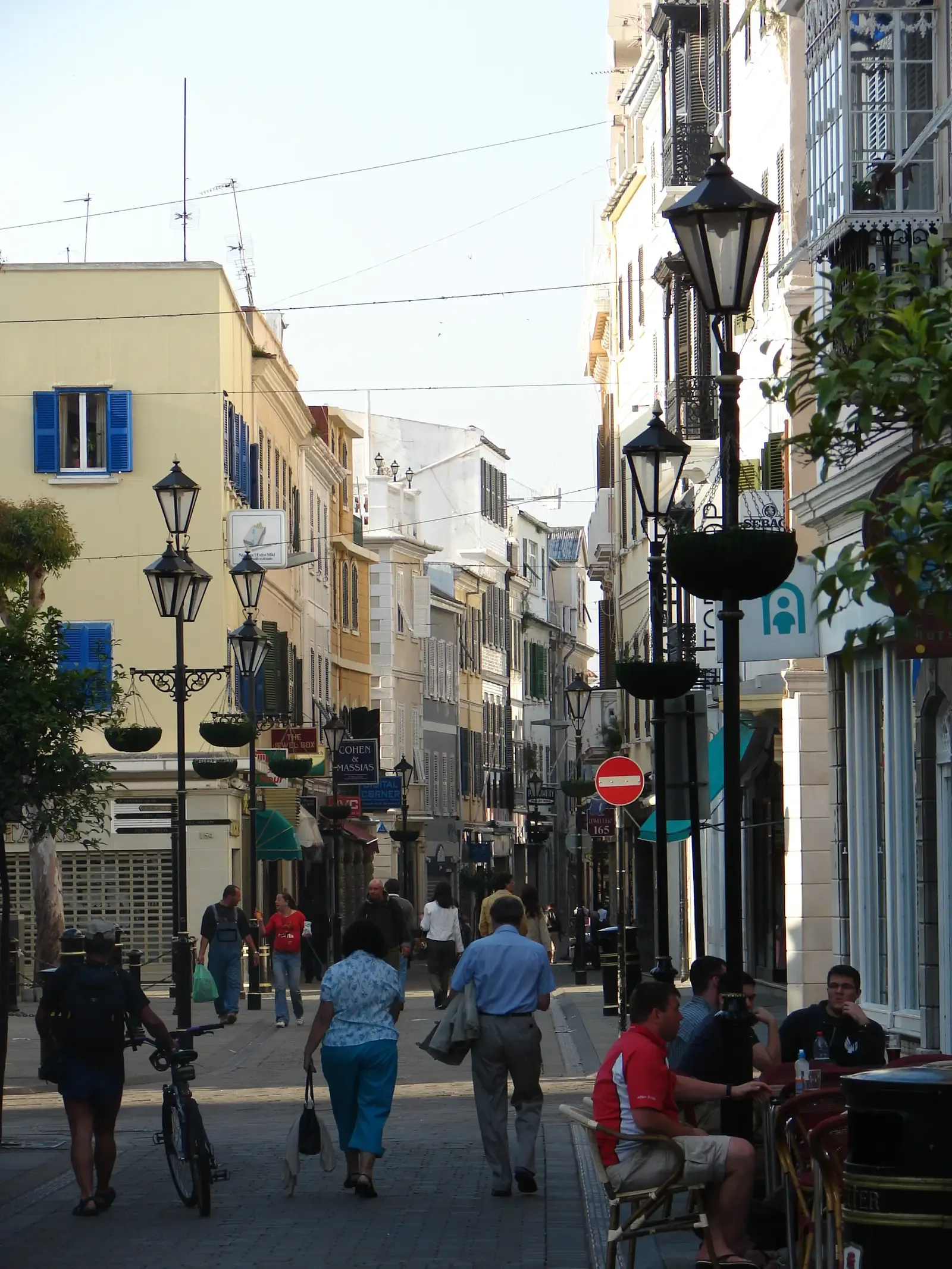
When a previously overlooked landmark gains recognition, the economic ripple effects can be transformative for surrounding communities. Restaurants see more customers. Hotels fill up on weekends. Local shops and artisans find new audiences.
Travelers exploring and spending in these destinations are helping to sustain entire communities. This isn’t just about tourism dollars – it’s about pride, preservation, and the long-term viability of small towns that might otherwise struggle to survive.
Communities that successfully market their hidden gems often see a snowball effect. Visitors share their experiences on social media, word spreads, and more people decide to visit. Infrastructure improves, new businesses open, and what was once a sleepy backwater becomes a thriving destination. It’s hard to say for sure, but many struggling towns are banking on this tourism revival as their economic lifeline.
How You Can Discover Hidden Landmarks in Your Own State
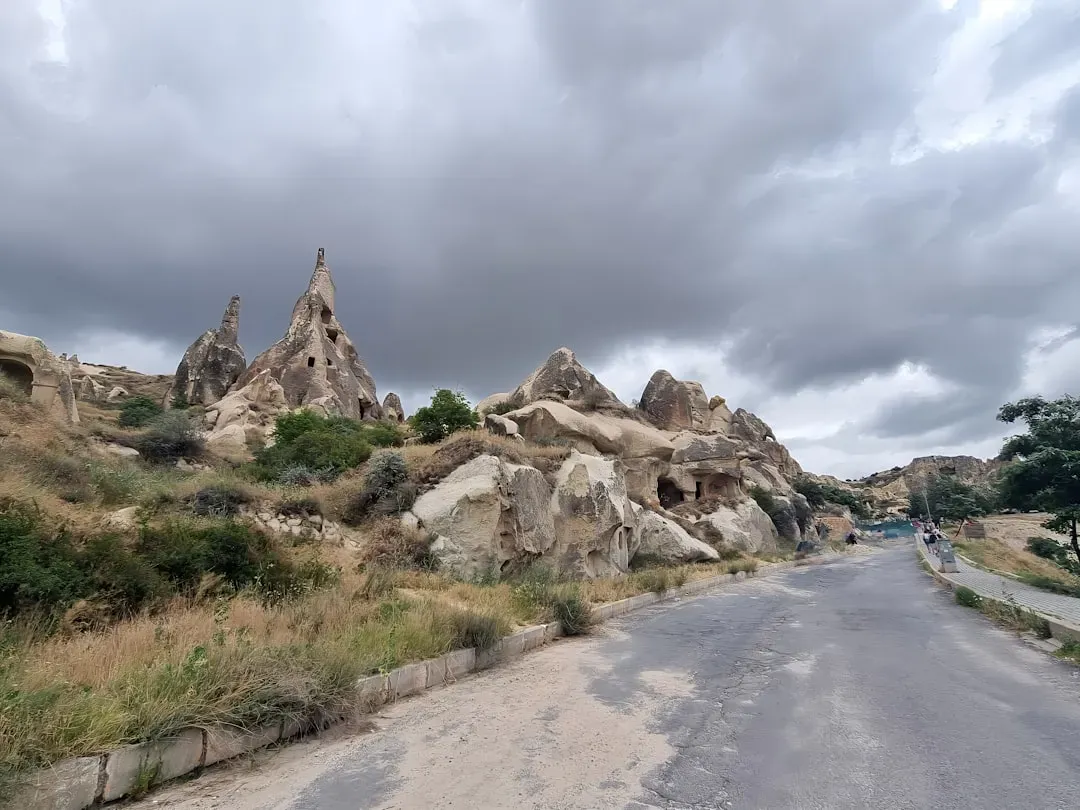
So how do you find these hidden treasures before they blow up on social media? Start by exploring your state’s official tourism website, which often highlights lesser-known parks, historic sites, and cultural landmarks. Look beyond the top-ten lists and dig into the “off the beaten path” sections.
Follow local travel bloggers and regional influencers who specialize in discovering hidden gems. Join state-specific travel Facebook groups or Reddit communities where locals share their favorite secret spots. Check out TikTok hashtags related to your state or region – you’ll be surprised what turns up.
Don’t underestimate the value of old-fashioned road trips. Sometimes the best discoveries happen when you take a random exit off the highway and explore whatever catches your eye. That roadside historical marker might lead you to a fascinating site you never knew existed. Be curious, be flexible, and be willing to wander without a rigid itinerary.
What’s exciting about this moment is that we’re collectively redefining what counts as a “must-visit” destination. The next iconic American landmark might not be carved into a mountain or lit up on a city skyline – it could be a quiet forest trail, a century-old theater, or a small-town museum that tells a story you’ve never heard before. So take a closer look at your home state. That hidden gem everyone’s searching for might be closer than you think. What treasures have you been driving past all this time?