Memories of Beijing Fuel Ongoing Vigilance (Image Credits: Unsplash)
Milano Cortina, Italy – Official COVID protocols have vanished from the Winter Olympics, yet pockets of precaution remain among elite competitors chasing peak performance.[1][2]
Memories of Beijing Fuel Ongoing Vigilance
Four years after the strict “COVID Games” in China forced athletes into isolation hotels for positive tests, cross-country skiers arrived in Italy determined to avoid similar disruptions. Respiratory illnesses strike hardest at this discipline, where lung capacity dictates success. Teams recognized early that even minor sickness could derail medal hopes across multiple events.[3]
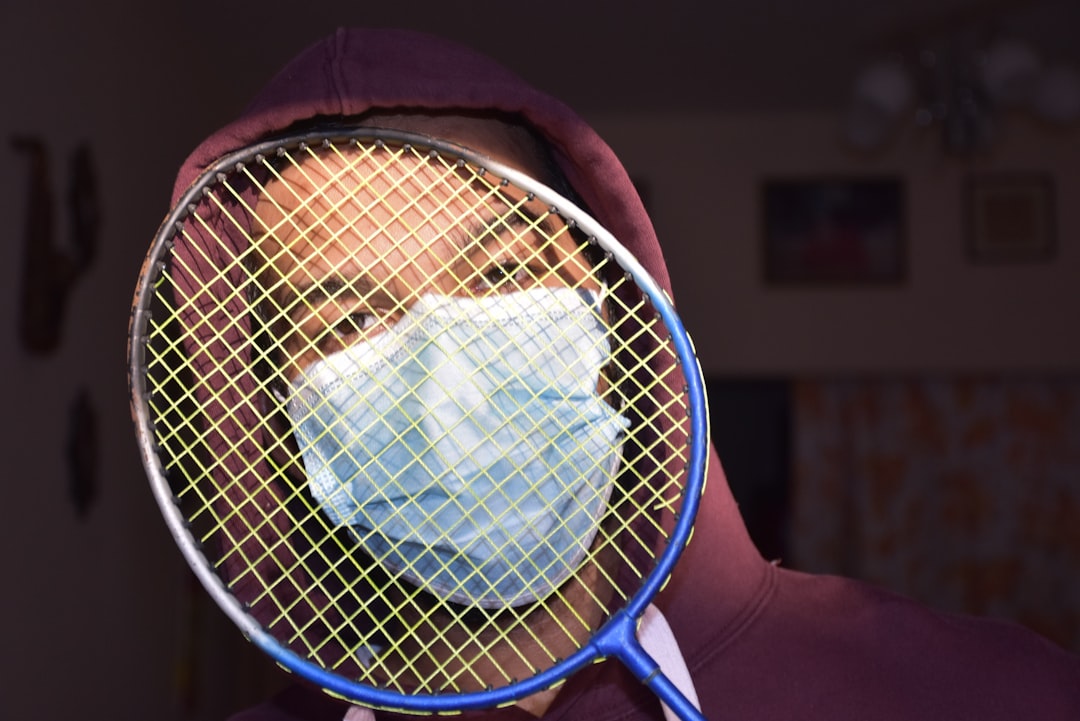
Jessie Diggins, America’s most decorated cross-country skier, exemplified this mindset. Her husband traveled to spectate but stayed separate, joining family instead of her hotel. They limited indoor time to masked interactions, saving unmasked moments for outdoors. “We’ve been waiting 10 years… We can wait two more weeks,” Diggins explained.[1][2]
U.S. Team’s Bold Move: Ditching the Village
The U.S. cross-country squad rented a private hotel for the entire Games, bypassing the bustling Olympic village near their Tesero venue. This setup allowed control over entries and avoided crowded cafeterias. Coach Kristen Bourne emphasized health as the top priority, noting the benefits of keeping the full team together in one secure space.[2]
Ben Ogden captured the atmosphere: “We’re pretty locked down trying not to get sick and trying not to waste energy.” Zak Ketterson echoed the resolve, viewing the Olympics as a rare window worth every sacrifice. “The Olympics are just a few weeks every four years. So we can lock in a little bit,” he said. Smaller nations stuck to village lodging due to budgets, highlighting the Americans’ investment.[1]
Scandinavian Echoes and Personal Sacrifices
Sweden’s cross-country team mirrored the caution. Star Ebba Andersson isolated from her teammate and boyfriend, Gustaf Berglund, for 48 hours upon arrival – the peak window for travel-related symptoms. Team doctor Rickard Noberius sealed their hotel to outsiders, restricting access to staff under strict rules. “We don’t want infections to come in,” he stated.[2]
Finland’s Iivo Niskanen offered a model from Beijing, where family-wide isolation kept him healthy. He placed 17th in Sunday’s skiathlon unscathed. These measures contrasted sharply with other sports; Finland’s women’s hockey team postponed their opener against Canada after norovirus hit 13 players following a pre-Games karaoke outing.[1]
Precautions Beyond Skiing
Athletes scarred by 2022 COVID cases adopted familiar tools. Figure skater Amber Glenn stocked hand sanitizer and green juices alongside approved vitamins. Speedskater Casey Dawson, sidelined then by 50 positive tests, stressed learned lessons. Biathletes tracked heart rates and fatigue via surveys for early warnings.[4]
- Masks indoors, even with loved ones
- Private hotels over village stays
- 48-hour arrival isolations
- Vitamin regimens and sanitizers
- Data monitoring for symptoms
- Outdoor-only unmasked family time
Key Takeaways
- Cross-country demands peak lung health, driving voluntary bubbles.
- U.S. and Swedish teams invest heavily in controlled environments.
- Personal costs mount, from spousal separations to skipped social traditions.
Voluntary vigilance underscores a shift from mandates to personal stakes, blending relief from past rigors with enduring discipline. As medals gleam brighter without enforced quarantines, these athletes bet everything on staying well. What precautions would you take in their boots? Share in the comments.