The Studio Confrontation That Sparked Federal Charges (Image Credits: Pexels)
Dallas – A federal judge in Texas ruled that rapper Pooh Shiesty must remain behind bars after prosecutors outlined a violent contract dispute at a local music studio. The Memphis artist, legally known as Lontrell Williams Jr., faces kidnapping and robbery charges stemming from an incident in January that involved associates of Gucci Mane’s record label. The decision underscores concerns over his prior criminal record and the severity of the allegations.[1][2]
The Studio Confrontation That Sparked Federal Charges
On January 10, tensions boiled over inside a Dallas recording studio during what began as a business meeting. Pooh Shiesty had arranged for three music industry professionals, including the owner of 1017 Records, to discuss his contract terms with the label linked to Gucci Mane.[1] According to an FBI affidavit, he produced termination paperwork and then drew what appeared to be an AK-style pistol.
The label owner faced demands to sign the documents under duress. Co-defendants allegedly blocked the exit, brandished firearms, and robbed the victims of jewelry, cash, and other valuables. One victim reported being choked to the point of near unconsciousness. Several participants, including Pooh Shiesty, had traveled from Memphis for the encounter.[3]
Wave of Arrests Targets Alleged Conspiracy
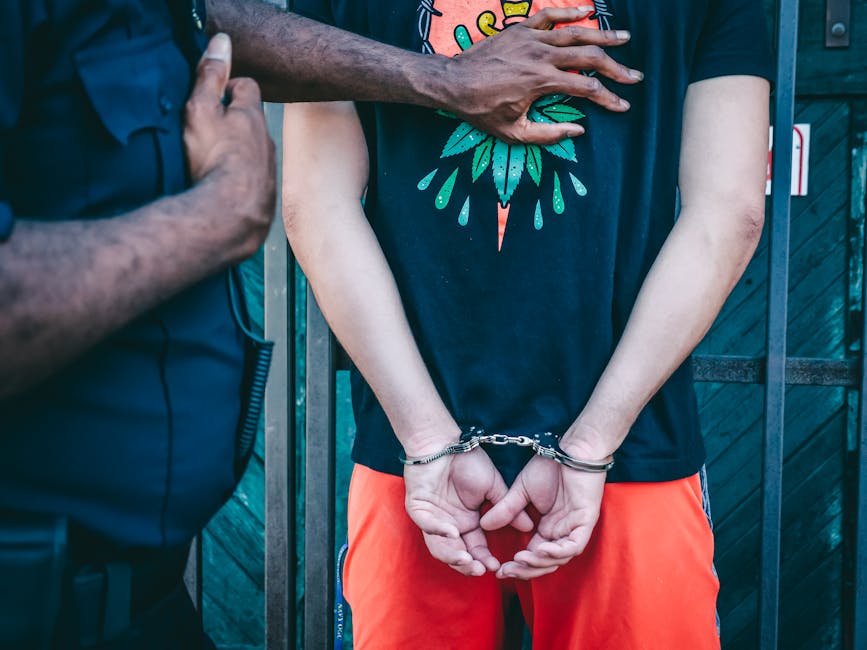
Federal authorities moved in on April 1, executing search warrants and arresting Pooh Shiesty in the Dallas suburb of Frisco, along with eight others. The group included his father, Lontrell Williams Sr., and rapper Big30, whose legal name is Rodney Wright. FBI agents raided properties in Memphis, such as Pooh Shiesty’s family home in Cordova.[2]
Prosecutors from the U.S. Attorney’s Office for the Northern District of Texas charged them with conspiracy to commit kidnapping and robbery. The complaint detailed a coordinated effort that turned a routine negotiation into an armed takeover. Pooh Shiesty, who resided in a Frisco high-rise at the time, stood accused as the ringleader.[1]
- Pooh Shiesty (Lontrell Williams Jr.): Alleged leader who brandished weapon and forced contract signing.
- Lontrell Williams Sr.: Pooh Shiesty’s father, among those who traveled from Memphis.
- Rodney Wright (Big30): Blocked the studio door during the robbery.
- Five additional unnamed co-defendants from the Memphis group.
Detention Hearing Delivers Decisive Ruling
Pooh Shiesty appeared in federal court on April 8 before U.S. Magistrate Judge Renee Harris Toliver. An FBI special agent testified about the unsealed complaint, highlighting victim statements and evidence from the scene. Prosecutors emphasized the rapper’s role and the three-month investigation that followed.[2]
The judge found probable cause and ordered pretrial detention. She stated, “I find that the weight of the evidence against you is strong.” No combination of bail conditions, the court determined, could ensure community safety or his return for trial. Defense attorney Bradford Cohen challenged the evidence, noting the delay in arrests. “The FBI doesn’t take three months to arrest someone if they believe everything that was said on the night that it occurred,” Cohen remarked.[1]
A History of Legal Troubles Resurfaces
Pooh Shiesty rose to fame in the Memphis rap scene but encountered federal scrutiny before. He had served time for a firearms conspiracy conviction in Florida, securing early release in October 2025. At the time of the studio incident, he remained under home confinement and wore an electronic monitor, yet traveled to Dallas without permission.[2]
The violation factored heavily into Judge Toliver’s decision. Eight co-defendants faced initial appearances in Memphis federal court the prior Friday. No trial date has emerged as investigators continue building the case against the group.[1]
Key Takeaways
- Federal judge cited strong evidence and prior violations in denying bail to Pooh Shiesty.
- Incident involved armed robbery and kidnapping over a record label contract dispute.
- Nine defendants charged; Pooh Shiesty labeled the primary orchestrator.
The ruling leaves Pooh Shiesty’s future in music on hold amid serious federal charges. As proceedings advance, questions linger about the full scope of the conspiracy and its ties to the industry. What do you think about the case? Share your thoughts in the comments.