A Shocking Video Captures Unchecked Lethality (Image Credits: Flickr)
Minneapolis – Federal immigration agents fatally shot two people during aggressive raids in the Twin Cities, exposing raw frictions between law enforcement tactics and public rights.
A Shocking Video Captures Unchecked Lethality
Videos from multiple angles showed agents firing a barrage of shots at Alex Pretti as he lay on the ground. Pretti had stood in the street, phone in hand, to film the agents and assist another civilian they pushed down. The incident occurred amid “Operation Metro Storm,” a month-long federal push targeting immigration violations.
This marked the second killing in the operation. Earlier, agent Jonathan Ross shot Renee Good, the first person killed by ICE in the area. The FBI halted a state investigation into Good’s death, leaving Ross without charges. Pretti’s case prompted internal reviews, with two agents placed on leave, but no identifications or federal civil rights probes followed.
The Mounting Toll of Operation Metro Storm
Federal agents shot three individuals overall, killed two, and injured dozens more. Injuries stemmed from pepper spray, rubber bullets, tear gas, and physical confrontations. Agents detained citizens and noncitizens without clear cause and blocked access to legal counsel for some.
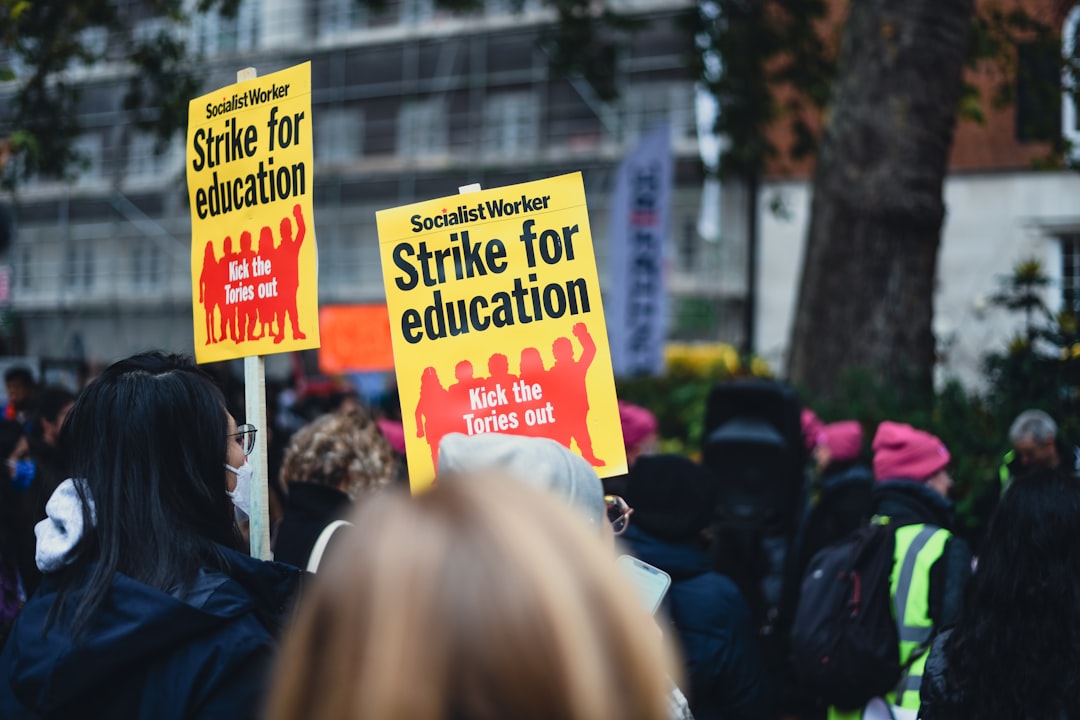
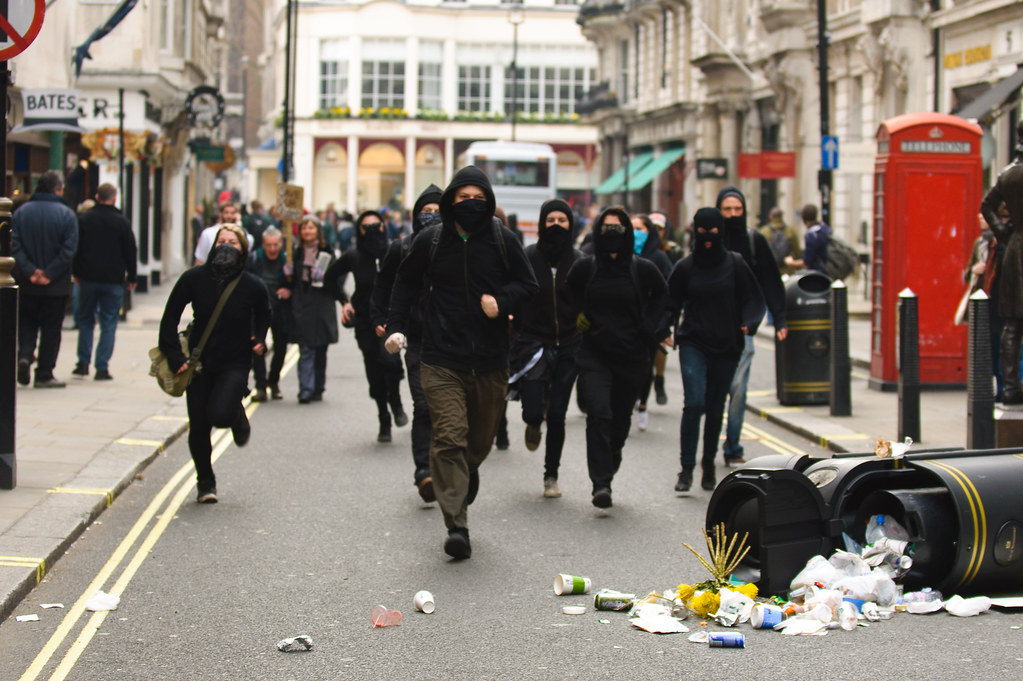
Protesters faced violations of their First Amendment rights. Social media captured officers taunting crowds after Good’s shooting, issuing threats. The Justice Department charged protesters instead of probing agent conduct.
- Renee Good: Shot by agent Jonathan Ross; state probe dismissed.
- Alex Pretti: Killed while filming and intervening; video evidence widespread.
- Dozens injured: Non-lethal munitions and direct force used.
- Detentions: Included unlawful holds and counsel denials.
- Taunts: Agents warned protesters post-shooting.
Administration Adjusts Amid Backlash
Gregory Bovino, who led ICE efforts in the Twin Cities, lost his position and social media access. Homeland Security Secretary Kristi Noem drew a presidential rebuke. Democrats called for probes, firings, and impeachments.
Governor Tim Walz deployed the Minnesota National Guard to the streets. Troops appeared in reflective vests, signaling state pushback. In Maine, similar ICE actions drew local criticism, with Cumberland County Sheriff Kevin Joyce labeling them “bush-league policing” after a mistaken arrest.
Federal Power Tests Traditional Limits
The Minneapolis events highlighted a pattern in the second Trump term. Pardons went to January 6 rioters, while officials who pursued Trump cases faced indictments. Marines deployed in Los Angeles to handle protesters, expanding DHS reach beyond borders.
Legal checks from the first term weakened. Courts once blocked election challenges; now, force dictates outcomes. Individuals faced stark choices: comply or risk lethal response, with scant recourse.
| Incident | Outcome | Response |
|---|---|---|
| Renee Good Shooting | Fatal; no charges | FBI ends state probe |
| Alex Pretti Killing | Fatal; video-recorded | Two agents on leave |
| Protester Injuries | Dozens affected | DOJ charges protesters |
- Federal agents operate with broad force mandates in urban immigration sweeps.
- Public videos and local opposition forced limited administrative changes.
- State militaries now counter federal actions, heightening divides.
These clashes reveal a fraying balance where guns eclipse laws, risking cycles of retaliation from armed communities. Documentation and protests yielded partial wins, yet agents persist in vans and streets. Broader mobilization offers a path to restraint before violence spirals. What do you think about the federal-state standoff? Tell us in the comments.