Minneapolis Tragedy Ignites National Firestorm (Image Credits: Unsplash)
Washington – Senate Democrats unanimously blocked a sweeping funding package Thursday, heightening the risk of a partial government shutdown that could begin Saturday over disputes tied to aggressive immigration enforcement.[1][2]
Minneapolis Tragedy Ignites National Firestorm
The fatal shooting of Alex Pretti, a U.S. citizen and veterans’ nurse, by Border Patrol agents in Minneapolis last weekend marked the second such incident in the city this month. Federal agents killed Renee Nicole Good on January 7, prompting widespread protests and accusations of unchecked power under President Trump’s deportation push. The Trump administration initially labeled Pretti a “domestic terrorist,” a claim later walked back amid public backlash.[1]
Senators Patty Murray declared she would not support the DHS bill as it stands, insisting federal agents cannot murder people in broad daylight without consequences. Senate Majority Leader Chuck Schumer echoed this on social media, stating Senate Democrats would not pass the DHS budget until rewritten in light of ICE abuses. The standoff centers on a House-passed $1.2 trillion measure that boosts ICE detention and enforcement budgets by hundreds of millions.[1]
DHS Funding Becomes Battleground
Democrats demand reforms including judicial warrants for arrests, agents unmasking and identifying themselves, elimination of detention quotas, restrictions on Border Patrol in the U.S. interior, and local involvement in use-of-force probes. Republicans, holding a Senate majority, passed the bills in the House last week but fell short in a 45-55 Senate test vote, with every Democrat opposed.[2]
Senator Dick Durbin warned that any shutdown would stem from Republicans’ refusal to impose guardrails on ICE. President Trump expressed reluctance for a closure and floated short-term separate funding for DHS, but procedural hurdles and the House’s recess complicate changes. This follows a record 43-day shutdown that ended in November 2025.[1]
Real-World Ripples of a Shutdown
A partial halt would furlough hundreds of thousands of federal workers and disrupt services across agencies like Education, Transportation, Housing, and Treasury. Essential personnel in DHS, including most of its 70,000 law enforcement officers, would continue without pay, but non-essential staff face delays.
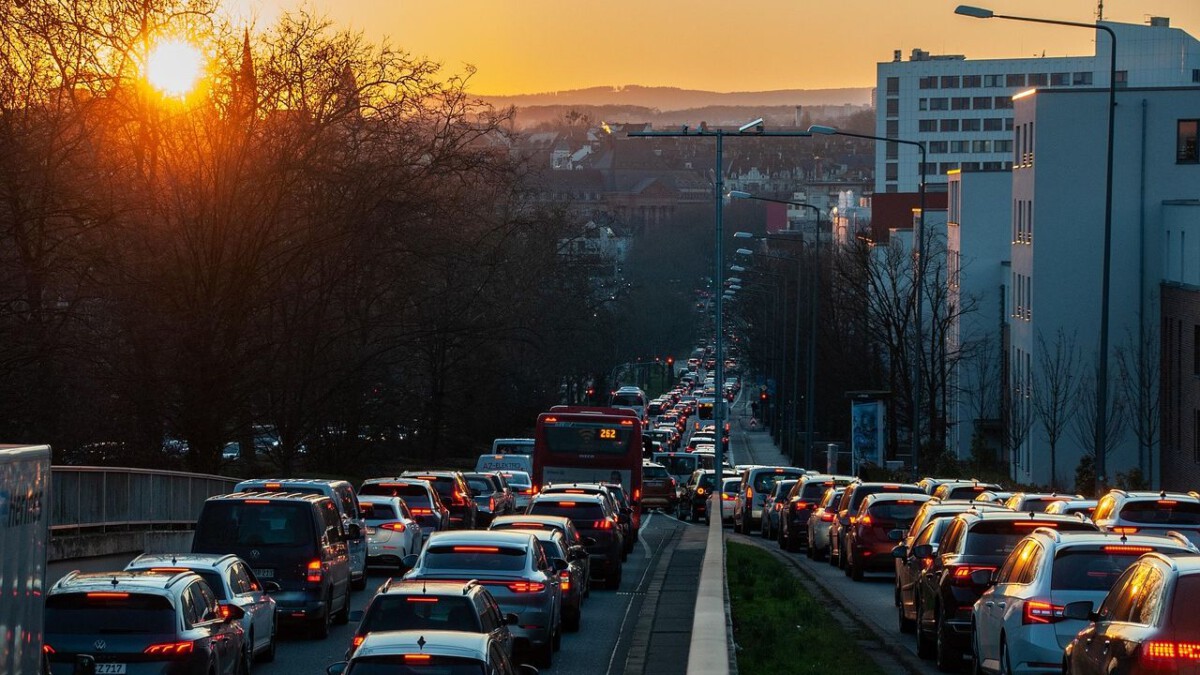
- Airport security lines lengthen and flights cancel at dozens of facilities.
- New federal loans for homes or businesses pause, stalling closings.
- Federal contractors see payments frozen, no new awards, and facilities shuttered.[3]
- Economic reports like jobs data halt, though Social Security and Medicare flow uninterrupted.[4]
- Over 500,000 workers go unpaid initially, rippling through local economies.
National parks remain open due to prior funding, but past closures strained visitor services.
Familiar Brinkmanship, Higher Stakes
Congress extended funding through January 30 after last year’s marathon closure, which cost billions in lost growth. Polls consistently show public aversion to shutdowns, yet partisan lines hold firm. Federal workers now receive back pay post-resolution, but contractors lack guarantees, heightening anxiety.[4]
Negotiators eye splitting bills or adding concessions, but time runs short before midnight Friday.
Key Takeaways
- Shutdown targets non-essential operations in eight major agencies, sparing military pay and benefits.
- Democrats leverage unity for immigration reforms; Republicans decry delays.
- Everyday Americans face travel woes and economic uncertainty if unresolved.
The impasse underscores deep divisions on enforcement amid real human costs. Compromise could avert chaos, but failure invites weeks of disruption. What steps should lawmakers take next? Share your thoughts in the comments.