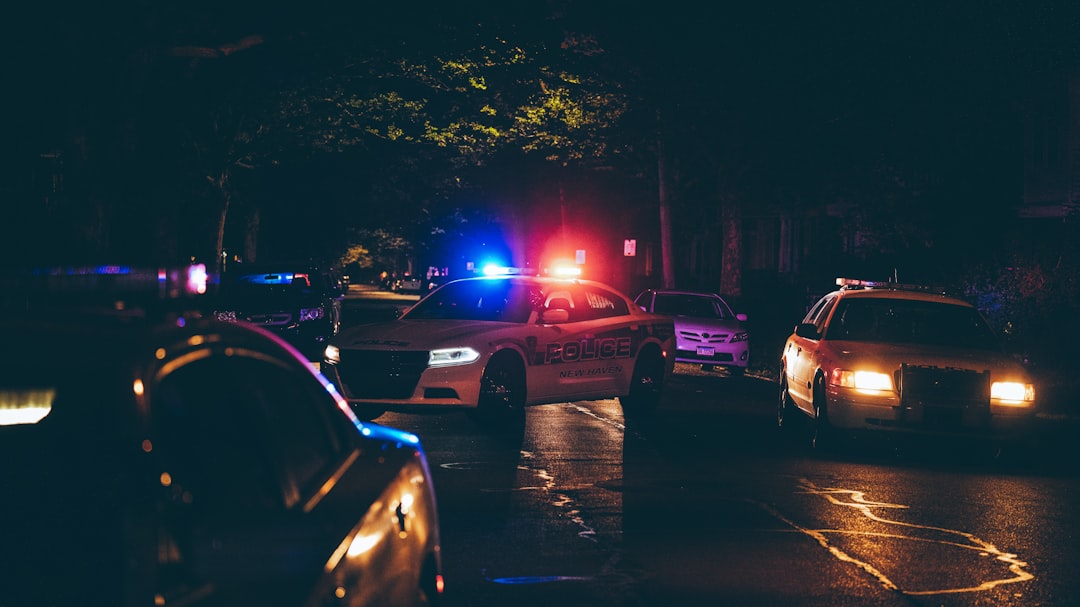


A Shocking Weekend Unfolds (Image Credits: Unsplash)
Providence, Rhode Island – Authorities closed a tense chapter in a cross-state investigation on Thursday when they confirmed the death of a suspect tied to both a mass shooting at Brown University and the murder of a prominent MIT professor.
A Shocking Weekend Unfolds
The violence began last Saturday when gunfire erupted on the Brown University campus, leaving multiple victims injured in what quickly became a chaotic scene. Students and faculty scrambled for safety as shots rang out in a residential area near the heart of the Ivy League school. Emergency responders arrived swiftly, treating the wounded and securing the perimeter while police launched an immediate search for the perpetrator.
Just two days later, tragedy struck again in nearby Massachusetts. A respected physics professor at the Massachusetts Institute of Technology was found dead in his home, the victim of an apparent targeted killing. Initial reports described the scene as methodical, with signs pointing to a deliberate intrusion. Law enforcement from Rhode Island and Massachusetts soon began coordinating efforts, suspecting the incidents might share a common thread.
The Suspect Emerges
Investigators identified Claudio Manuel Neves Valente, a former graduate student at Brown University, as the prime person of interest. Valente had left the program under unclear circumstances, but his past ties to the institution raised immediate red flags. Digital footprints and witness accounts helped narrow the search, leading authorities to believe he fled after the Brown attack.
The breakthrough came midweek when forensic evidence from the MIT scene matched items linked to Valente. Surveillance footage captured a figure resembling him near the professor’s residence, prompting an arrest warrant. A massive manhunt ensued, involving federal agencies and tips from the public that pinpointed his possible locations across New England.
Connections and Unanswered Questions
Though the motive remains elusive, officials noted Valente’s academic background overlapped with the MIT professor’s research in theoretical physics. Colleagues at Brown recalled Valente as intense but not overtly threatening, fueling speculation about professional grievances or personal vendettas. The professor, known for groundbreaking work in quantum mechanics, had no public disputes with Valente, according to preliminary reviews.
Here are key developments in the timeline:
- Saturday: Shooting at Brown injures several, suspect flees.
- Monday: MIT professor discovered deceased in his Cambridge home.
- Wednesday: Warrant issued after evidence links the cases.
- Thursday: Suspect located deceased from self-inflicted wound.
Autopsy results confirmed Valente died by suicide, ending the pursuit without further bloodshed. Still, the probe continues to explore any accomplices or overlooked clues.
Impact on Academic Communities
The dual incidents sent ripples through higher education, prompting enhanced security measures at both institutions. Brown University canceled classes for a day, offering counseling services to a shaken student body. At MIT, faculty expressed grief over the loss of a colleague whose contributions advanced scientific understanding.
Leaders from both schools issued statements emphasizing resilience and support. The events highlighted vulnerabilities on campuses, where intellectual pursuits sometimes intersect with personal turmoil. Regional police vowed to share insights to prevent similar threats elsewhere.
Lessons from a Dark Chapter
This case underscores the fragility of safe havens like universities, where ambition and isolation can collide tragically. As investigations wrap up, communities reflect on warning signs and the need for mental health resources in academia.
Key Takeaways
- The suspect’s death closes the immediate threat but leaves motive unclear.
- Interstate cooperation proved vital in linking the crimes swiftly.
- Campuses nationwide may review security protocols in response.
Healing begins now for those affected – what steps should institutions take next? Share your thoughts in the comments.