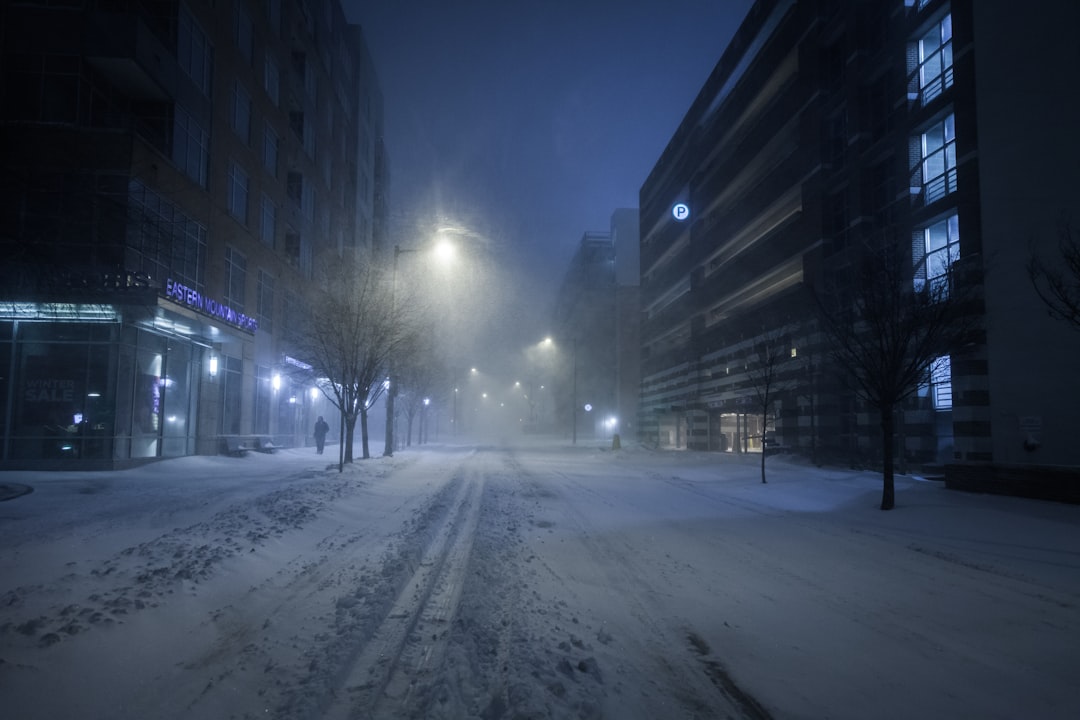
Storm Claims Lives as Impacts Mount (Image Credits: Unsplash)
A massive winter storm tore through the United States from the southern plains to the Northeast, coating major cities in thick ice and heavy snow while plunging hundreds of thousands into darkness with persistent power failures.
Storm Claims Lives as Impacts Mount
Rescue teams reported at least 29 fatalities linked to the brutal weather by early Tuesday, with victims succumbing to hypothermia, accidents on icy roads, and snow removal exertion.[1][2]
Deaths occurred across multiple regions, including three in Pennsylvania from shoveling snow, eight in New York City, and several in southern states like Tennessee and Louisiana.[3] In Texas, one person perished from presumed hypothermia in Austin, while a Kansas woman froze to death outdoors in Emporia.[2]
The storm originated as a cold-core low over the Pacific before intensifying into a sprawling system nearly 2,000 miles long, delivering sleet, freezing rain, and snow from Mexico to Canada.[3] Records tumbled in places like New York City’s Central Park, which saw 11.4 inches of snow, and Little Rock, Arkansas, with 6 inches breaking a 1899 mark.[3]
Ice Overloads Southern Grids, Leaving Thousands Powerless
Much of the South faced its heaviest blows from quarter-inch-thick ice accumulations that snapped tree limbs and power lines, causing outages that peaked above 1 million customers nationwide.[4][2] By Tuesday morning, more than 543,000 homes and businesses remained without electricity, concentrated in Tennessee, Mississippi, Louisiana, and Texas.[1]
Nashville Electric Service restored power to 60,000 customers but warned of a weeklong recovery, citing 153 broken poles and ongoing tree falls.[4] In Mississippi, officials compared the damage to the 1994 ice storm, with restoration potentially taking weeks in rural areas.[2]
| State | Current Outages |
|---|---|
| Tennessee | 182,335 |
| Mississippi | 140,577 |
| Louisiana | 100,118 |
| Texas | 30,564 |
Governor Tate Reeves of Mississippi urged residents to stay off roads, stating his four-wheel-drive vehicle “does not go on ice.”[2] Cities like Nashville, Chattanooga, and Dallas saw streets transformed into skating rinks, complicating cleanup efforts.
Travel Grounded Amid Snow-Choked Northeast
Airports bore the brunt of disruptions, with over 20,000 flights canceled since Friday – the most since early in the COVID-19 pandemic.[3] Hartsfield-Jackson in Atlanta and Charlotte Douglas led cancellations, while LaGuardia closed entirely and Reagan National halted all departures.[2]
Highways turned treacherous, logging hundreds of crashes in states like Indiana and New York, and public transit systems suspended service from New Jersey to Charlotte.[2] Even NBA games, including Dallas versus Milwaukee, fell victim as teams could not travel.
- Over 11,800 flights axed Sunday alone
- 360+ crashes in Indiana
- 250 accidents in New York, 20 with injuries
- Truck bans in Rhode Island; speed limits cut to 35 mph in New Jersey
- Coast Guard freed ice-trapped ship on Lake Michigan
Emergencies Declared as Cold Persists
Governors in 23 states issued emergency declarations, mobilizing National Guard units and allocating funds for aid.[2] New York opened warming centers and shifted schools to remote learning, while Texas covered 134 counties under disaster status.[3]
Nashville Electric Service executive Brent Baker described the event as “historic,” predicting it would linger in memory for decades.[4] Forecasts warned of subzero wind chills through midweek, with additional snow showers in the Northeast and ice risks in the Southeast.
Utility crews worked around the clock despite frigid nights, but fallen trees and refreezing roads slowed progress. This storm exposed vulnerabilities in infrastructure ill-equipped for such rare southern ice events, raising questions about future preparedness.
- Death toll reached 29, with more possible
- Power outages down from 1M+ peak but still affect 543,000+
- 20,000+ flights canceled, stranding travelers nationwide
As another freezing evening looms, residents hunkered down wonder when lights will return. What impacts did this storm have in your area? Tell us in the comments.