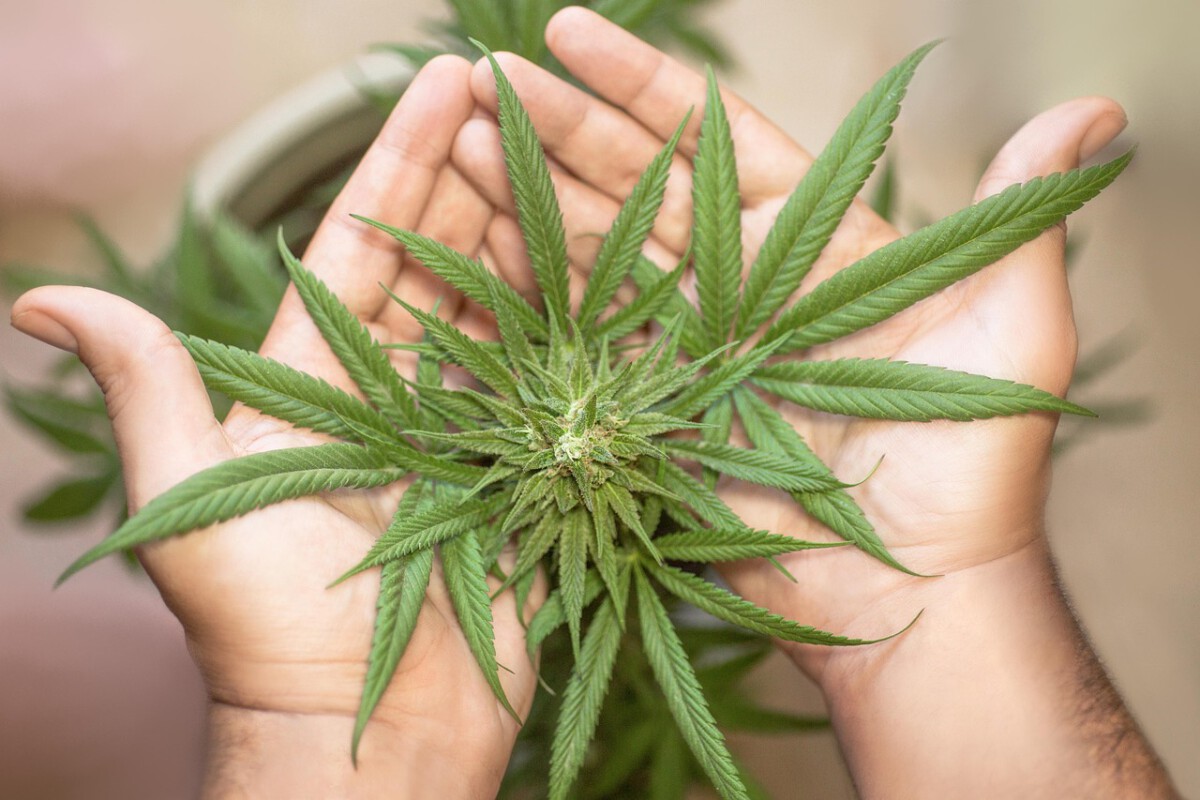


Record Seizures Highlight Market Resilience (Image Credits: Pixabay)
Latin America witnessed marijuana’s steadfast influence on organized crime throughout 2025, even as global focus shifted toward more potent substances like cocaine and fentanyl.
Record Seizures Highlight Market Resilience
Authorities across the region reported unprecedented marijuana seizures in 2025, underscoring the drug’s enduring profitability for criminal groups. These operations disrupted supply chains but failed to curb production, as traffickers quickly adapted with new routes and methods. In Brazil alone, enhanced security measures amid natural disasters led to significant hauls, yet internal consumption continued to fuel demand.
The United Nations Office on Drugs and Crime documented that marijuana remained the world’s most consumed illicit substance, with 244 million users aged 15 to 64 globally, representing 4.2 percent of that demographic. Within the Americas, approximately 82.7 million people used the drug, including 12.1 million in South America. This widespread use sustained a robust black market, where criminal organizations diversified beyond traditional exports to meet local needs.
Cultivation Surges in Remote Territories
Illicit cannabis cultivation expanded dramatically over the past decade, transforming rural landscapes into hidden production hubs. Criminal syndicates exploited remote areas in countries like Colombia and Mexico, where dense forests and mountainous terrain provided cover from detection. By 2025, these operations had scaled up, incorporating advanced techniques to boost yields and potency.
Groups such as the FARC dissidents and local cartels invested heavily in these crops, viewing marijuana as a low-risk, high-volume commodity compared to riskier alternatives. The shift reflected a broader evolution in the criminal economy, where marijuana served as an entry point for smaller operators before they ventured into harder drugs. Internal demand, particularly in urban centers, absorbed much of the surplus, reducing reliance on international smuggling.
Adaptation and Diversification in Trafficking Routes
Criminal networks refined their strategies over ten years, blending marijuana trafficking with other illicit activities to evade law enforcement. From the Cauca mountains in Colombia to the favelas of Brazil and islands in the Caribbean, a potent variant known as “Creepy” gained traction due to its strong hallucinogenic effects. This innovation drove demand and prompted traffickers to establish flexible, transnational alliances.
Traffickers increasingly used maritime and overland paths through Central America, capitalizing on porous borders. These routes not only moved marijuana but also integrated it into larger schemes involving extortion and human smuggling. The result was a more resilient market, where marijuana acted as a steady revenue stream amid volatile conditions in the broader drug trade.
Key Challenges for Regional Security
Despite regulatory progress in some nations, the illegal marijuana trade exacerbated violence and corruption in 2025. Governments grappled with the interplay between legalization efforts and persistent underground economies, as partial reforms created gray areas exploited by criminals. In Venezuela and Colombia, political instability compounded the issue, allowing armed groups to maintain control over cultivation zones.
Law enforcement faced resource constraints, with seizures often representing only a fraction of the total flow. International cooperation yielded mixed results, as varying national policies hindered unified action. Still, the market’s growth highlighted the need for comprehensive strategies addressing both supply and demand.
- Marijuana’s role as the most consumed drug globally sustains high profitability for Latin American criminals.
- Expansion of illicit crops in remote areas outpaces eradication efforts.
- Traffickers’ diversification into potent variants like “Creepy” boosts internal and regional demand.
- Seizures reached records in 2025, yet failed to dismantle entrenched networks.
- Integration with other crimes strengthens the overall criminal landscape.
Key Takeaways:
- The marijuana market in Latin America grew resilient over the decade, with 12.1 million users in South America driving internal consumption.
- Criminal groups adapted by expanding cultivation and innovating products, maintaining dominance despite seizures.
- Addressing this trade requires balanced policies tackling both illicit production and underlying demand.
Marijuana’s evolution over the past ten years reveals a criminal market that thrives on adaptability and persistent demand, posing ongoing challenges for Latin America’s security landscape. As regions navigate legalization debates, the balance between regulation and enforcement will shape the future of this green economy. What steps do you believe could most effectively disrupt these networks? Share your thoughts in the comments.