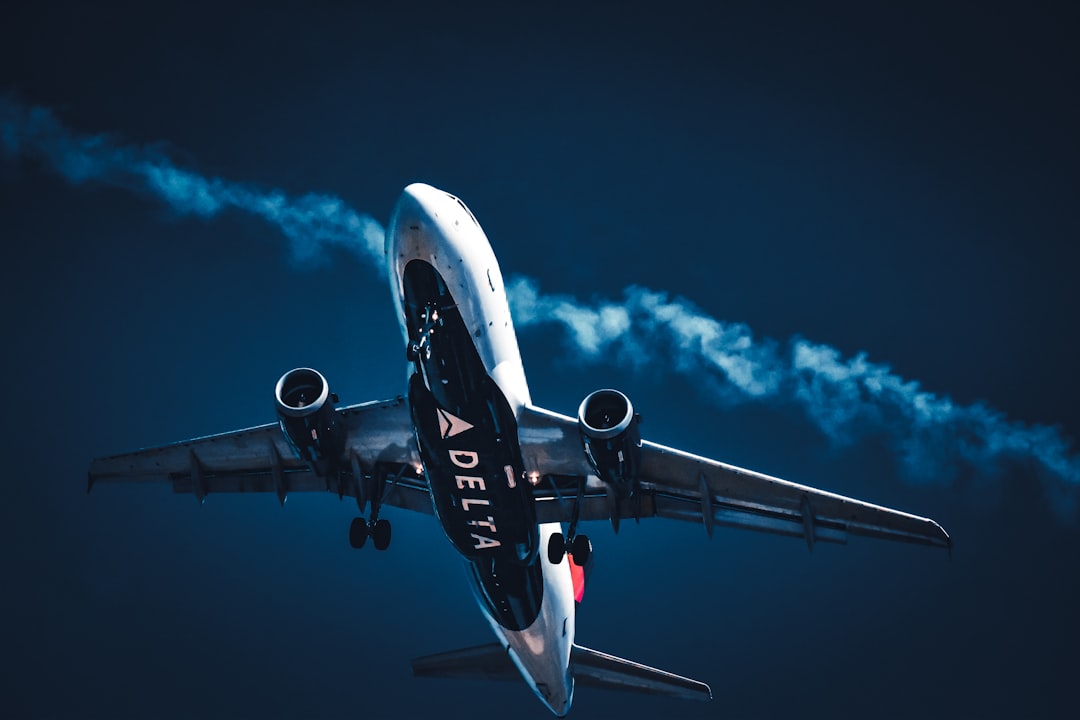
Strong Quarterly Results Spark Investor Enthusiasm (Image Credits: Unsplash)
Delta Air Lines released its first-quarter 2026 financial results on Wednesday, exceeding analyst forecasts in a quarter marked by persistent fuel cost pressures. The carrier highlighted robust passenger demand while outlining measures to safeguard profitability amid volatile energy markets. Shares responded sharply, climbing more than 11% in premarket trading to above $73, buoyed by both the solid performance and external developments easing oil supply concerns.
Strong Quarterly Results Spark Investor Enthusiasm
Delta reported non-GAAP operating revenue of $14.2 billion for the January-to-March period, surpassing Wall Street’s $14 billion projection. Earnings per share reached $0.64, topping the anticipated $0.57, according to CNBC. These figures underscored the airline’s resilience despite headwinds from elevated fuel expenses.
The announcement arrived hours after a U.S.-Iran agreement for a two-week ceasefire, which reopened the Strait of Hormuz – a vital oil transit chokepoint. Oil prices promptly fell below $100 per barrel for the first time in weeks. Investors welcomed the timing, propelling Delta’s stock higher in early trading.
Fuel Volatility Poses Ongoing Threat to Airlines
Rising oil prices have loomed large over the industry, with fuel representing a major expense for carriers like Delta. The Strait of Hormuz closure had exacerbated supply fears, driving up costs at a time when passenger volumes stayed elevated. CEO Ed Bastian noted that demand remained firm, a positive for revenue but challenging for margins under high fuel conditions.
The ceasefire offered temporary respite, yet its brevity – limited to two weeks unless extended – introduced uncertainty. Airlines face the risk of renewed disruptions if tensions flare. For Delta, proactive steps became essential to navigate this landscape.
Strategic Adjustments to Shield Profits
Bastian detailed Delta’s response during the earnings call, emphasizing actions to protect margins and cash flow. The company plans to curb capacity growth significantly, adopting a cautious stance until fuel markets stabilize. This approach involves scaling back flights or routes, which reduces fuel burn while tightening seat supply to support higher fares.
Delta also committed to swiftly recovering elevated fuel costs from customers. Recent moves included a $10 increase in checked baggage fees, aligning with peers. Potential fuel surcharges on tickets represent another lever. Full details appear in the company’s investor release.
Industry-Wide Boost Signals Broader Optimism
Delta’s gains rippled across the sector. Yesterday’s close left DAL down 5.4% year-to-date at $65.62, but the premarket surge flipped it positive for 2026. Competitors shared the uplift:
- American Airlines (AAL): up 11%
- United Airlines (UAL): up 12%
- Southwest Airlines (LUV): up nearly 11%
This synchronized move pointed to the ceasefire as the dominant catalyst, overshadowing individual earnings for now. Still, sustainability hinges on geopolitical stability.
The ceasefire’s short duration tempers the rally’s longevity. Delta’s capacity discipline and fee adjustments position it well, but prolonged fuel spikes could test these defenses. Investors eye negotiations for a lasting resolution.
Key Takeaways:
- Delta beat Q1 revenue ($14.2B vs. $14B expected) and EPS ($0.64 vs. $0.57).
- Ceasefire reopened Strait of Hormuz, dropping oil under $100/barrel.
- Plans include reduced flights and higher fees to offset costs.
Delta’s swift adaptation highlights the airline sector’s agility in turbulent times. As fuel dynamics evolve, these strategies could define competitive edges. What strategies would you prioritize in this environment? Share your thoughts in the comments.