Patterns of Protest Echo Past Defeats (Image Credits: Assets.realclear.com)
Washington, D.C. – A growing number of Democratic lawmakers have announced plans to skip President Donald Trump’s State of the Union address on February 24, 2026, choosing a parallel rally to voice opposition to his policies.[1][2]
Patterns of Protest Echo Past Defeats
Several Democrats opted out of Trump’s previous addresses, including actions eight years earlier that failed to alter electoral outcomes. The party suffered losses in 2016 and again in 2024, prompting questions about strategic effectiveness. Organizers framed the upcoming “People’s State of the Union” event on the National Mall as a counter to Trump’s agenda, scheduled just before his 9 p.m. speech.[2]
Participants aimed to spotlight impacts on everyday Americans, hosted by groups like MoveOn and MeidasTouch. Senator Chris Murphy of Connecticut described Trump’s speeches as divisive, stating Democrats had no obligation to attend.[1] This approach mirrored earlier disruptions, such as protests during past sessions that led to ejections from the chamber.
Unresolved Issues from the Obama Administration
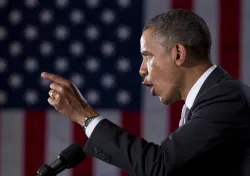
Critics argue the Democratic Party remains tied to strategies from Barack Obama’s tenure, which prioritized certain visions of progress but overlooked working-class concerns. Policies on immigration and economic inclusion drew scrutiny for leaving segments of the population behind. The party amassed significant cultural and institutional influence yet struggled at the ballot box.
Failures to secure borders and address safety drew repeated voter backlash. Observers noted a shift toward identity-focused narratives over broad American appeal. This dynamic persisted through transitions, including the 2024 campaign where fear-based messaging dominated.[3]
Key Figures Joining the Boycott
The list of absentees includes prominent voices across the Senate and House. Their decision underscored partisan rifts amid Trump’s second term achievements, such as tax reforms and border measures, which the White House highlighted in response.[1]
- Senator Ed Markey of Massachusetts
- Senator Jeff Merkley of Oregon
- Senator Chris Murphy of Connecticut
- Senator Tina Smith of Minnesota
- Senator Chris Van Hollen of Maryland
- Representative Yassamin Ansari of Arizona
- Representative Becca Balint of Vermont
- Representative Greg Casar of Texas
- Representative Veronica Escobar of Texas
- Representative Pramila Jayapal of Washington
- Representative Delia Ramirez of Illinois
- Representative Bonnie Watson Coleman of New Jersey
Senator Van Hollen cited concerns over constitutional norms in his announcement on X.[1] House Minority Leader Hakeem Jeffries planned to attend, emphasizing the Capitol as the people’s house.
Calls for Strategic Reflection
Some Democrats, like Senator Jon Fetterman, advocated engagement with broader realities beyond elite circles. The party’s platform emphasized marginalized groups, yet voters prioritized security and opportunity. Trump’s policies, including no taxes on tips and overtime, resonated where Democrats faltered.
A reevaluation of past approaches could bridge divides. Performative actions risked alienating moderates who sought practical solutions.
Key Takeaways
- Democratic boycotts repeat historical patterns without shifting public opinion.
- Obama-era policies on borders and class remain points of contention.
- Future success may hinge on inclusive economic messaging.
The boycott reveals entrenched divisions, but true renewal demands confronting longstanding vulnerabilities. What steps should Democrats take next? Share your thoughts in the comments.