A Subtle Shift Hits Store Aisles (Image Credits: Images.fastcompany.com)
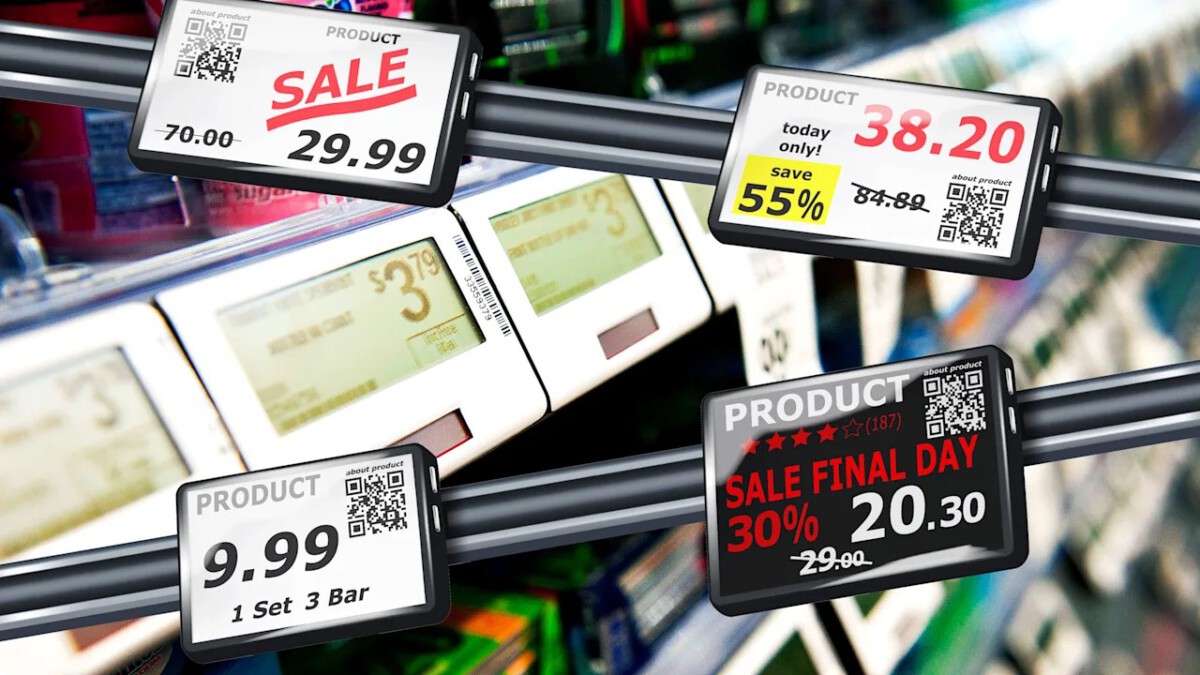
U.S. supermarkets increasingly deploy electronic shelf labels that mimic paper tags but refresh prices and details in seconds.
A Subtle Shift Hits Store Aisles
Visitors to Manhattan’s Westside Market recently encountered unassuming screens resembling handwritten price stickers, complete with barcodes and faint QR codes. These devices marked a departure from static paper labels, displaying pixel-based information that updates remotely via store networks. Vusion, the supplier for this location, highlighted features like LED alerts for restocking needs.
The technology extends beyond pricing to enhance shopper tools, such as linking to product details or personalized lists. Companies like Pricer described the process simply: transmit data through the store’s infrastructure, and labels respond instantly. This integration forms part of a larger push to digitize retail interactions.
Retailers Embrace Efficiency Gains
Grocery chains adopted electronic shelf labels to slash labor hours once devoted to manual tag replacements amid sales or cost fluctuations. Pricer Chief Product Officer Finn Wikander noted that modern consumers already scan items or consult apps like ChatGPT for deals, making quick adjustments essential. Stores gained the ability to align prices across locations and react to competitors swiftly.
Additional perks included minimizing food waste through timely discounts on perishable goods and complying with regulations, such as France’s rule requiring checkout prices to match shelf displays. Vusion marketing executive Loïc Oumier emphasized freeing staff from repetitive tasks like promotion setups. Major rollouts followed: Walmart announced plans in 2024 to equip over 2,000 stores with Vusion labels by late 2026, while Fresh Market and others tested the systems.
Key advantages include:
- Automated handling of billions of annual price changes, as Kroger managed 1.3 billion.
- Rapid responses to supplier costs, tariffs, or inflation.
- Consistent pricing chain-wide and reduced expiration-related losses.
- LED signals for inventory management.
- QR integration for enhanced customer info.
Consumer Anxieties Fuel Political Backlash
Dynamic pricing fears intensified as electronic labels enabled frequent changes, evoking backlash seen in Wendy’s 2024 digital menu controversy. Shoppers worried about gouging during shortages, with Columbia Business School’s Vicki Morwitz explaining that shelf price instability eroded trust in stable brick-and-mortar pricing. Reports surfaced of Kroger workers facing new issues like malfunctioning screens or overheating units.
Senators Elizabeth Warren and Bob Casey questioned Kroger’s deployment, suspecting real-time hikes and data collection via facial recognition. Kroger refuted these claims, stating labels aided operations without personal tracking. Warren later remarked, “Kroger dodged my questions but confirmed my key concerns: It’s using electronic shelf labels to change grocery prices in real-time and collect data that could be used to jack up grocery prices for Americans.” Pricer’s Wikander countered that retailers avoided alienating savvy customers.
| Company | Headquarters | Notable U.S. Users |
|---|---|---|
| Vusion | France | Walmart, Fresh Market, Westside Market |
| Pricer | Sweden | Various chains |
| Solum | South Korea | Emerging deployments |
Studies Temper the Hype and Alarm
University of Texas professor Ioannis Stamatopoulos reviewed evidence showing no widespread price surges from the labels. A 2025 U.S. grocery study found stability, while an international one noted declines, especially for short-shelf-life items. The tools proved most valuable in curbing waste on produce like bananas.
Upfront costs deterred some, but longevity offset investments over years. Deployments continued at Whole Foods, Schnucks, and independents, blending old-world aesthetics with new capabilities.
Key Takeaways
- ESLs save labor and reduce waste without proven price hikes.
- Consumer trust hinges on transparent use amid dynamic pricing trends.
- Regulatory scrutiny grows as adoption accelerates in major chains.
Electronic shelf labels promise streamlined retail but demand vigilant oversight to preserve shopper confidence. As glowing tags proliferate, will they deliver savings or suspicion? Share your store experiences in the comments.