Avatar Confessions: Launching AI Spiritual Guides (Image Credits: Unsplash)
Artificial intelligence has ventured into the realm of spirituality, powering chatbots and avatars that mimic religious figures from Jesus to Buddhist monks. Companies now offer paid video sessions with an AI-generated Jesus or text-based counsel from digital gurus, blending technology with devotion. This emerging sector reflects broader chatbot trends in therapy and companionship, yet it sparks profound questions about authenticity in faith.
Avatar Confessions: Launching AI Spiritual Guides
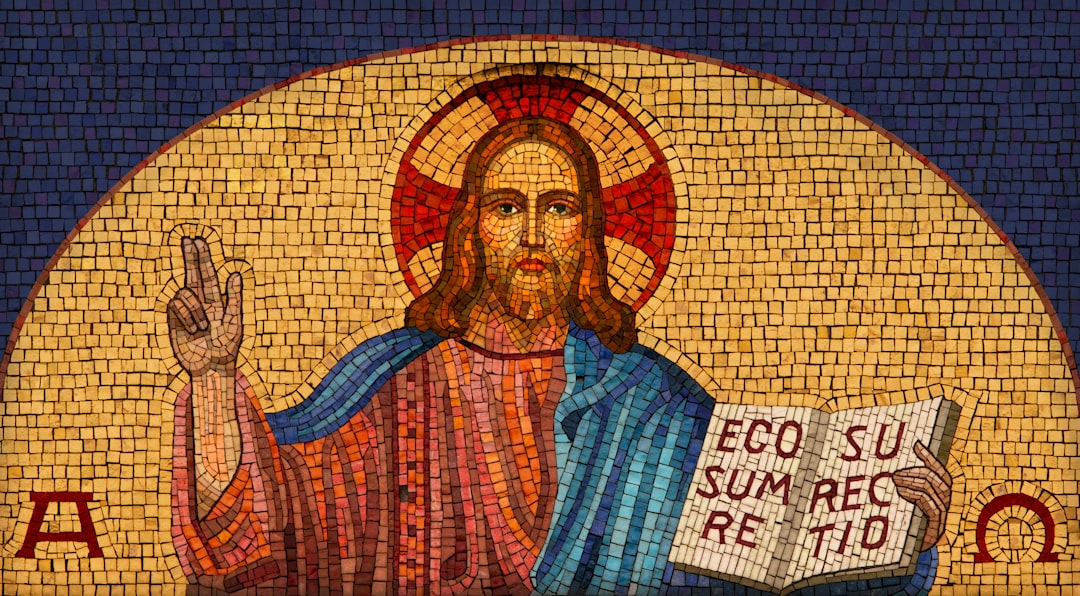
Users connect via video with an AI Jesus avatar that delivers prayers and encouragement in multiple languages, recalling past chats despite minor lip-sync issues. The platform, priced at $1.99 per minute or $49.99 for 45 monthly minutes, draws from the King James Bible and sermons, visually echoing actor Jonathan Roumie from “The Chosen.” CEO Chris Breed noted that interactors often form attachments, fostering a sense of accountability akin to a personal friendship.
Christian developer Cameron Pak established strict guidelines for faith-aligned apps to protect users. These include mandatory disclosure as AI, avoidance of scriptural fabrication, and recognition that machines cannot genuinely pray. Pak curates compliant tools on his site, such as sermon translators and coaches targeting personal struggles like lust. He emphasized AI’s dual nature: immensely helpful when equipped properly, yet potentially hazardous without oversight.
Theological Hurdles in a Tech-Savvy World
Anthropologist Beth Singler highlighted instances where religious AI models faced shutdowns due to misinformation or privacy lapses. Broader philosophical debates arise across faiths, including Islamic reservations against humanoid depictions that question AI’s permissibility altogether. Some developers view these tools as evangelism aids, while others digitize sacred texts for study.
In Catholicism, Matthew Sanders of Longbeard criticized “AI wrappers” – superficial religious interfaces over generic models lacking doctrinal training. His firm’s Magisterium AI, built on two millennia of teachings, addressed Christians turning to general chatbots for guidance. Pope Leo XIV praised AI’s human ingenuity but warned of its risks to intellectual, neurological, and spiritual growth, urging ethical frameworks.
Eastern Echoes: Buddhist Bots Take Shape
beingAI trained Emi Jido, a virtual Zen priest ordained in 2024 by Roshi Jundo Cohen, who continues its moral education from Japan. Founder Jeanne Lim likened the bot to a child needing values before public release, aiming for free access to promote diverse, humane AI beyond Western dominance. Cohen described it as a pocket Zen teacher, not a human substitute, with hologram potential.
At Kyoto University, Seiji Kumagai’s team created BuddhaBot from ancient scriptures like the Suttanipāta, later enhancing it with advanced language models. A companion icon evokes a serene river during chats. To bridge ritual gaps, collaborators unveiled Buddharoid, a robot monk designed to support clergy, currently available on request in select regions like Bhutan.
Promise Meets Peril in Spiritual Algorithms
East-West Center’s Peter Hershock, a practicing Buddhist, saw potential in AI but cautioned against diminishing spiritual effort. He argued that promises of effortless enlightenment undermine core practices. Podcast host Graham Martin tested apps like Text With Jesus, impressed by responses yet disturbed by premium upgrade prompts, evoking televangelist tactics.
Developers and users alike fear exploitation in this lucrative market, where emotional bonds with AI could mimic divine authority. Still, proponents stress responsible design to enhance, not erode, faith.
Key Takeaways
- Religious AI spans Christianity, Buddhism, Catholicism, and more, offering prayer, coaching, and text analysis.
- Core concerns include misinformation, privacy, doctrinal accuracy, and reduced personal spiritual effort.
- Ethical training and transparency remain essential to prevent opportunism and manipulation.
The faith-tech intersection holds tools for accessible guidance amid declining religious engagement, but demands vigilance to preserve spiritual integrity. How might these innovations shape your beliefs? Share in the comments.