
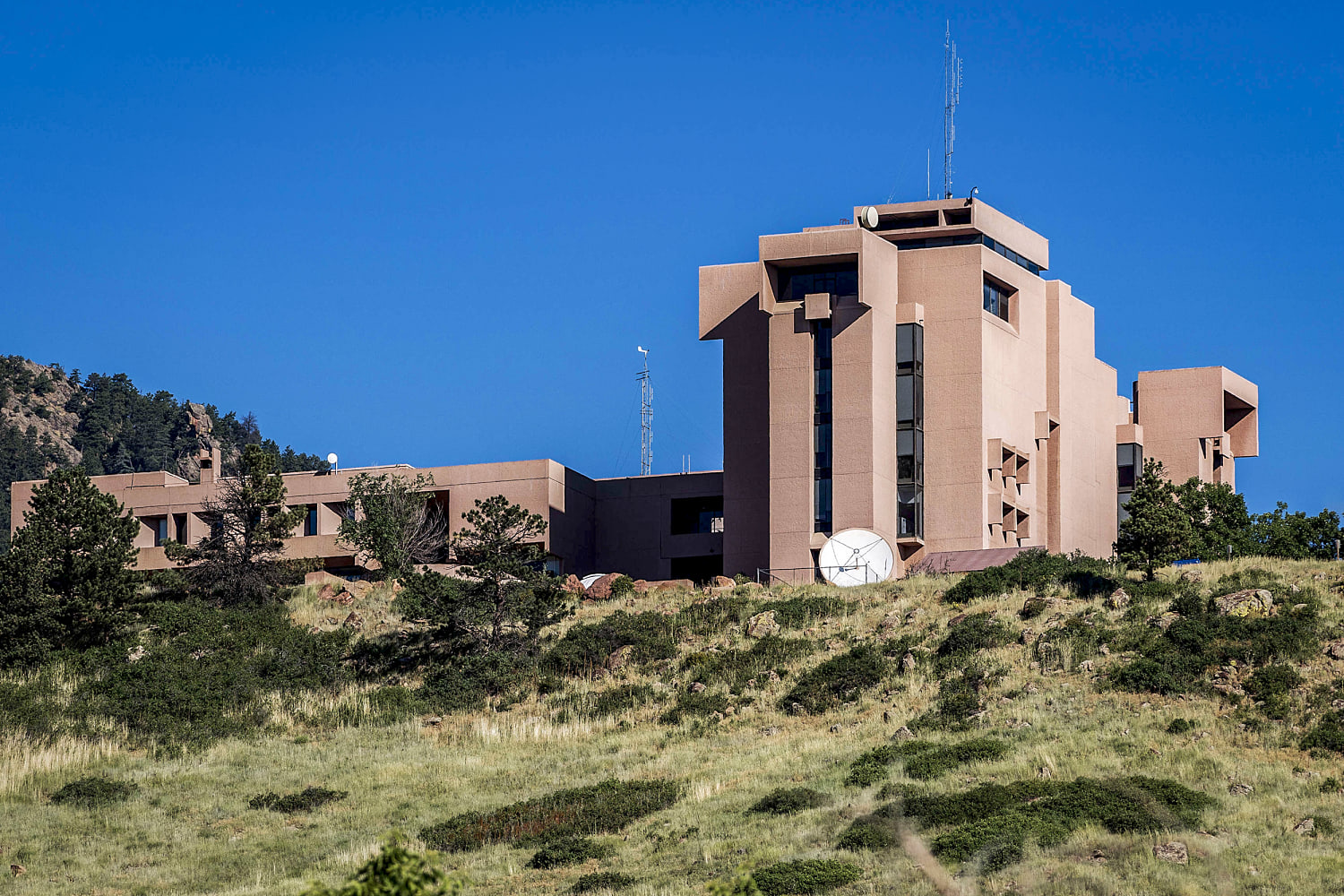
A Surprising Federal Shake-Up (Image Credits: Media-cldnry.s-nbcnews.com)
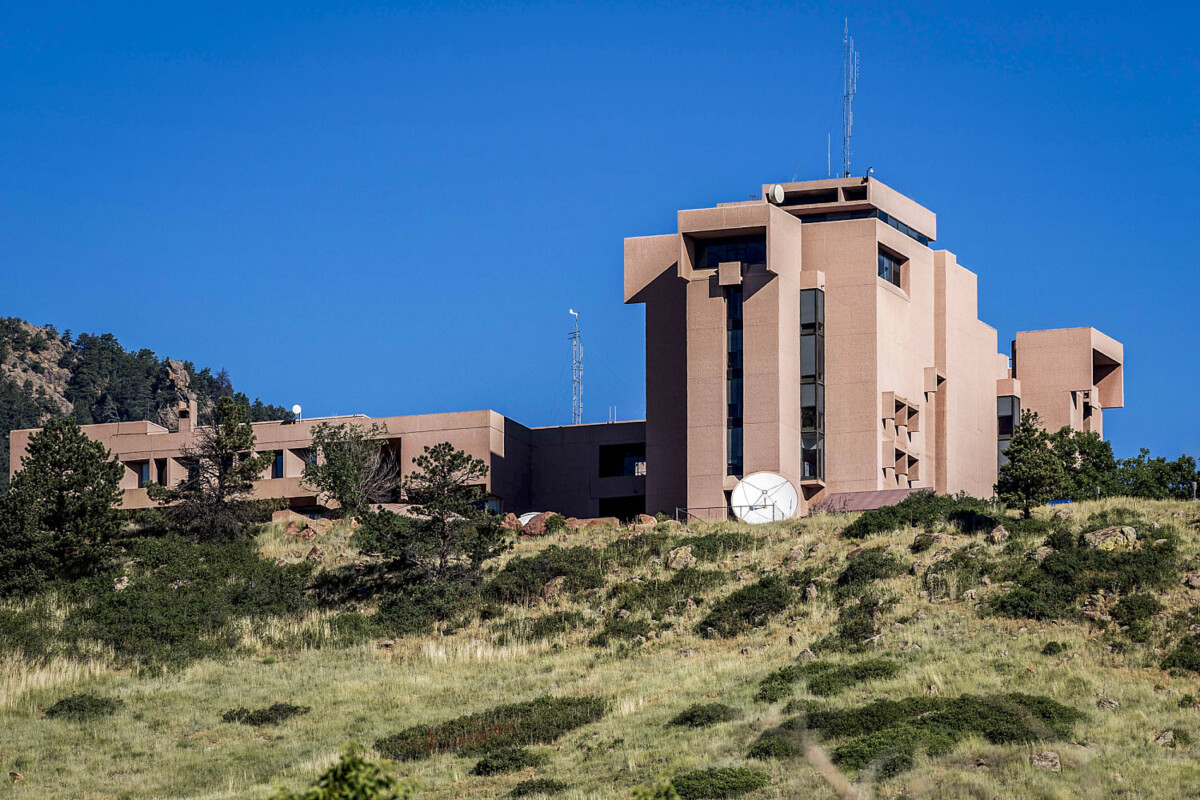
Boulder, Colorado – The Trump administration announced plans to dismantle the National Center for Atmospheric Research, a cornerstone of federal climate studies that plays a vital role in understanding hurricanes and severe weather.
A Surprising Federal Shake-Up
The decision caught many in the scientific community off guard. Russ Vought, director of the White House Office of Management and Budget, revealed that the National Science Foundation would oversee the breakup of the center. He described it as a step to address what he called “climate alarmism” in federal research efforts. This move comes amid ongoing debates over climate policy and resource allocation in the government.
Experts worry that fragmenting such a major institution could disrupt long-term projects. The center, operated under the National Science Foundation, has long served as a hub for atmospheric and earth sciences. Its dissolution would redistribute programs across other agencies, potentially slowing innovation in critical areas. Officials emphasized the need for more targeted funding, but details on the exact restructuring remain sparse.
The Heart of Atmospheric Science
Established decades ago, the National Center for Atmospheric Research stands as the largest federal facility dedicated to climate and weather studies. It employs hundreds of scientists who model everything from global warming patterns to storm dynamics. The lab’s work supports not just academic pursuits but also practical applications like improving weather forecasts. Without it in its current form, coordination among researchers might suffer significantly.
Key contributions include advanced simulations that help predict extreme events. For instance, the center develops tools used by meteorologists nationwide. Its supercomputing resources enable complex data analysis that smaller outfits could not handle alone. Breaking it up might scatter these assets, raising questions about efficiency and expertise retention.
Risks to Hurricane Preparedness
Hurricanes pose an escalating threat, and the center’s research directly informs national defenses against them. Scientists there study how warming oceans fuel stronger storms, providing data that shapes evacuation plans and infrastructure resilience. The planned split could hinder these efforts by interrupting ongoing hurricane modeling programs. Antonio Busalacchi, who oversees related initiatives, warned that such changes would set back the nation’s ability to predict and respond to natural disasters.
Recent seasons have highlighted the urgency of reliable forecasting. Federal cuts or reorganizations in weather research have already sparked concerns among forecasters. Dismantling the center might exacerbate gaps in understanding storm intensification. Communities in hurricane-prone areas rely on this science for timely warnings, and any delay could have real-world consequences.
Reactions and Future Outlook
Critics from environmental groups and academia decried the announcement as a setback for science-driven policy. They argue that targeting climate research undermines efforts to combat rising disaster risks. Supporters within the administration view it as a way to refocus resources away from what they see as overstated threats. Media outlets across the spectrum covered the news, with reports emphasizing the center’s global influence.
The process of breaking up the lab will likely unfold over the coming months. Congressional oversight could influence the final shape of any changes. For now, scientists at the facility continue their work, bracing for uncertainty. The broader implications for federal research priorities remain a point of contention among policymakers.
Key Takeaways
- The National Center for Atmospheric Research faces breakup due to concerns over “climate alarmism,” as stated by White House budget officials.
- This could disrupt hurricane modeling and severe weather predictions essential for public safety.
- Experts highlight potential long-term setbacks in atmospheric science coordination and innovation.
As the Trump administration pushes forward with this restructuring, the balance between fiscal priorities and scientific needs hangs in the balance, reminding us of the stakes in protecting communities from intensifying storms. What implications do you see for future weather research? Share your thoughts in the comments below.