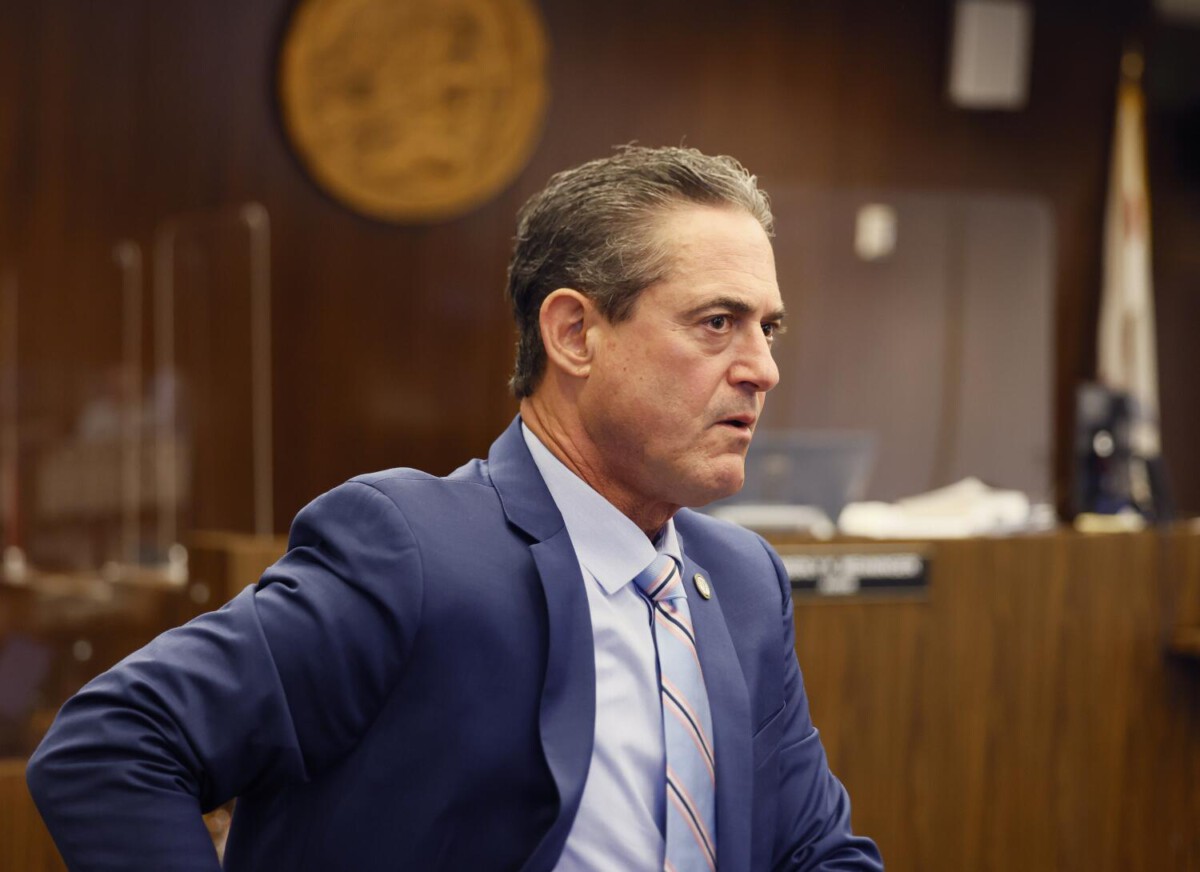


A Scandal That Shook the Justice System (Image Credits: Ca-times.brightspotcdn.com)
Orange County – The U.S. Department of Justice recently concluded its long-standing monitoring of the district attorney’s office, marking a significant milestone in the resolution of a notorious scandal involving the misuse of jailhouse informants.
A Scandal That Shook the Justice System
More than a decade ago, revelations emerged that shattered public trust in Orange County’s criminal justice operations. Prosecutors and law enforcement personnel had operated a clandestine program, relying on inmates to gather information from fellow detainees in exchange for benefits. This practice not only violated constitutional rights but also led to the dismissal of at least 57 criminal cases as evidence came under scrutiny.
The scandal, often referred to as the “snitch scandal,” exposed systematic issues including the suppression of critical information and even false statements made under oath. Federal investigators uncovered how the district attorney’s office had routinely hidden details about informant dealings, compromising fair trials and due process for defendants. The fallout prompted widespread calls for reform and drew intense scrutiny from civil rights advocates.
Federal Intervention and Key Reforms
In response to the crisis, the Department of Justice launched a comprehensive investigation that pinpointed constitutional violations spanning years. This led to agreements between federal officials, the Orange County Sheriff’s Department, and the district attorney’s office to overhaul informant protocols. Under District Attorney Todd Spitzer, the office implemented stricter guidelines to ensure transparency and legality in informant usage.
Reforms included mandatory training for staff, enhanced record-keeping, and independent audits to prevent recurrence. Federal civil rights officials expressed confidence in these changes, noting that the practices once deemed illegal had been sufficiently addressed. The monitoring period, which began years earlier, focused on verifying compliance and protecting inmates’ rights within county jails.
The Path to Lifting Oversight
Just before Christmas Eve in 2025, the DOJ announced its decision to end the oversight, signaling that Orange County’s justice system had met the necessary benchmarks. This step came after rigorous evaluations confirmed the district attorney’s adherence to reformed policies. The agreement, reached earlier in the year with the Sheriff’s Department, underscored a collaborative effort to rebuild integrity.
While the scandal had upended numerous cases and eroded confidence, the closure of federal monitoring represents a forward-looking achievement. It highlights how sustained pressure and internal changes can restore accountability in public institutions. Still, advocates continue to watch closely, emphasizing that vigilance remains essential to safeguard against future lapses.
Impacts and Ongoing Implications
The informant scandal’s repercussions extended beyond the courtroom, affecting hundreds of individuals whose convictions faced challenges. Prosecutors worked to review and potentially overturn affected cases, a process that demanded significant resources and time. This episode served as a cautionary tale for other jurisdictions grappling with similar ethical dilemmas in law enforcement.
Today, Orange County’s district attorney’s office operates under heightened standards, with policies designed to prioritize ethical conduct. The DOJ’s exit from oversight does not imply perfection but rather a vote of confidence in the progress made. Legal experts view this as a pivotal moment for the county, potentially paving the way for stronger community relations.
- Establishment of clear protocols for informant recruitment and handling.
- Requirement for full disclosure of informant involvement in court proceedings.
- Regular training programs to educate staff on constitutional protections.
- Implementation of oversight mechanisms, including external reviews.
- Commitment to compensating or exonerating those wrongfully impacted.
Key Takeaways
- The DOJ’s decision ends years of federal supervision, affirming reforms in informant use.
- At least 57 cases were dismissed due to the scandal’s revelations.
- Ongoing transparency measures aim to prevent recurrence and rebuild trust.
As Orange County moves past this chapter, the focus shifts to ensuring lasting accountability in its justice system. The resolution underscores the power of federal intervention in driving meaningful change. What steps do you believe are still needed to fully restore public faith? Share your thoughts in the comments.