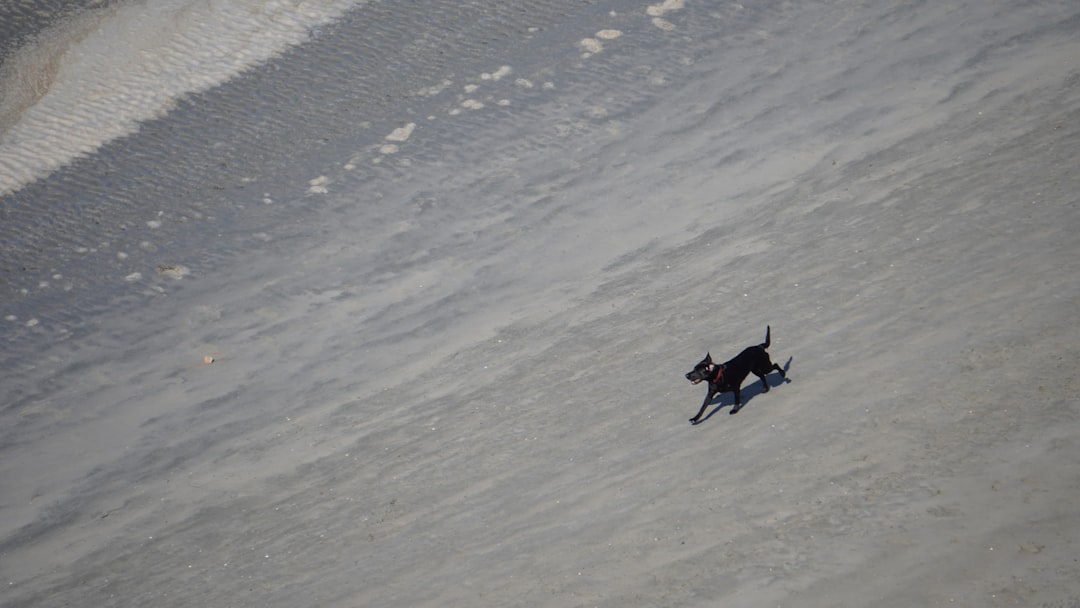


A Week of Worry in the Garden State (Image Credits: Unsplash)
New Jersey families often face heartbreak when pets go missing, but one recent case highlighted how innovative technology can restore hope amid uncertainty.
A Week of Worry in the Garden State
The ordeal began when Ryder, a prized champion show dog, vanished from his home in New Jersey, leaving his owners in a state of growing despair. As days turned into a full week without a trace, searches on foot and calls to local shelters yielded nothing, and the approaching winter chill added urgency to the efforts. The family scoured neighborhoods and posted flyers, but the vast wooded areas nearby made traditional methods seem futile. Friends and neighbors rallied, yet exhaustion set in as the ninth day dawned with no leads. This story captured attention across the region, underscoring the emotional toll of such losses.
Pet disappearances like this one are not uncommon in suburban settings, where dogs can wander far in pursuit of scents or sounds. In Ryder’s case, his status as a show dog meant he had a microchip, but without a sighting, that detail offered little immediate comfort. The family’s persistence paid off indirectly, as word of their plight spread through social media and local news outlets. Volunteers joined the hunt, combing trails and fields under darkening skies. Still, without advanced tools, the chances of success dimmed with each passing hour.
Drone Technology Steps In
A turning point came when a drone-flying pet detective from nearby Chester County heard about the case and offered his expertise. This specialist, known for using thermal imaging drones to locate lost animals, mobilized quickly to assist the overwhelmed family. The drone’s ability to cover large swaths of terrain from above proved invaluable, scanning areas that would take humans hours to traverse. Within a short time, the device detected a heat signature matching Ryder’s size in a remote spot. The team confirmed the find and coordinated a safe retrieval, averting potential disaster as temperatures dropped.
Such interventions rely on precise equipment and trained operators who understand animal behavior. The pet detective’s background in investigations allowed him to interpret drone footage effectively, distinguishing between wildlife and the target. This approach has gained traction in recent years, with similar successes reported in various states. For the New Jersey family, the drone’s role transformed a routine missing pet report into a testament to modern rescue capabilities. The operation wrapped up efficiently, ensuring Ryder’s return without further harm.
Reuniting Bonds and Lessons Learned
The moment of reunion unfolded with tears and relief, as Ryder bounded back into familiar arms after his nine-day adventure. Veterinary checks confirmed he was tired but otherwise unharmed, a fortunate outcome given the circumstances. The family expressed profound gratitude to the drone team, crediting their intervention for the happy ending. Stories like this one inspire other pet owners to consider high-tech options during searches. Ryder’s safe return also spotlighted the importance of community networks in amplifying such efforts.
Beyond the immediate joy, the incident prompted discussions on preventive measures for pet safety. Owners now reflect on securing yards and using GPS collars as backups to microchips. Local animal welfare groups noted an uptick in inquiries about drone services following the coverage. This event reinforced how collaboration between families, volunteers, and specialists can yield remarkable results. As winter sets in, the tale serves as a timely reminder of available resources for those in need.
Why Drones Are Changing Pet Rescues
Advancements in drone technology have revolutionized search operations for missing animals, offering speed and accuracy that traditional methods lack. These devices equip rescuers with real-time aerial views, often equipped with cameras that detect movement in low visibility. In Ryder’s rescue, the thermal capabilities cut through foliage and darkness, pinpointing locations precisely. Experts point to cost-effectiveness as another draw, making professional help accessible without massive budgets. Adoption of this tech continues to grow, with training programs emerging to certify more operators.
- Thermal imaging identifies heat signatures day or night.
- Aerial coverage spans miles in minutes, reducing search times.
- Non-invasive approach minimizes stress on the animal.
- Integration with GPS enhances follow-up ground teams.
- Success rates improve in challenging terrains like woods or urban sprawl.
Challenges remain, such as regulatory hurdles for drone flights in populated areas, but benefits outweigh them in urgent cases. Organizations tracking these rescues report higher recovery rates when drones are involved. For pet lovers, this evolution means more stories end positively rather than tragically. The New Jersey incident exemplifies how such tools bridge gaps in conventional searches.
Key Takeaways
- Drones provide rapid, wide-area searches that save critical time.
- Early involvement of specialists boosts chances of a safe recovery.
- Community awareness and tech adoption are vital for pet safety.
This rescue not only mended a family’s broken hearts but also illuminated the power of innovation in everyday crises – what do you think about using drones for pet searches? Share your thoughts in the comments.