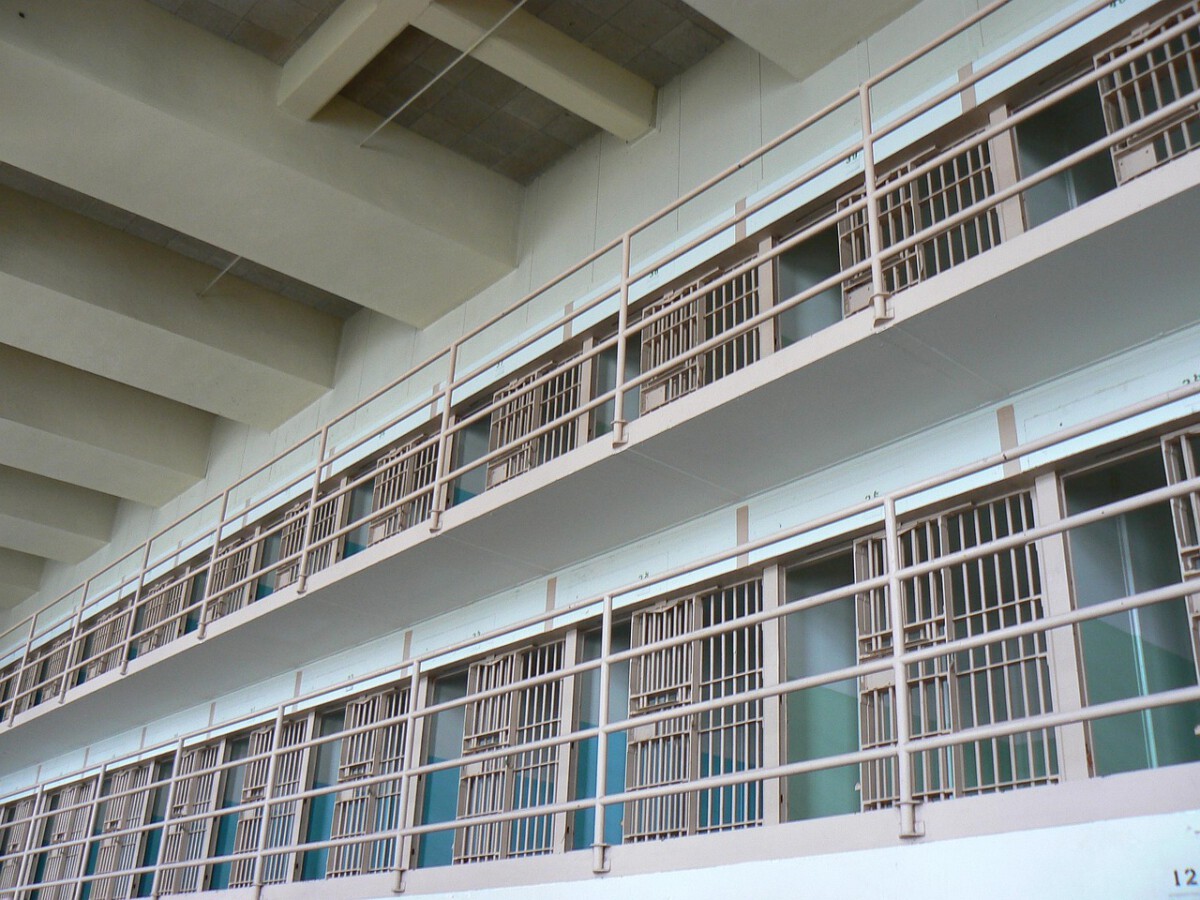


What Are Incentivised Substance-Free Living Wings? (Image Credits: Pixabay)
Recent evaluations in UK prisons highlight how dedicated substance-free living areas are fostering safer environments and supporting rehabilitation efforts.
What Are Incentivised Substance-Free Living Wings?
These specialized prison units, known as Incentivised Substance Free Living or ISFL wings, offer residents a structured environment free from drugs and alcohol. Prisons designate specific areas where inmates commit to abstinence in exchange for privileges such as enhanced access to education, work opportunities, and recreational activities. The approach builds on voluntary participation, with residents undergoing regular testing to maintain the drug-free status. Staff oversee the wings to ensure compliance and provide support services like counseling. This model emerged as part of broader efforts to combat substance misuse within correctional facilities.
Implementation varies across prisons, but the core principle remains consistent: creating a supportive space that encourages long-term recovery. Participants often receive tailored care plans that address their individual needs upon entry. Over time, these wings have expanded in response to growing recognition of substance-related challenges in the prison population. Early adopters reported initial hurdles in recruitment, yet motivation among willing inmates proved strong. Today, such units represent a proactive shift in prison management strategies.
Key Benefits for Prisoners
Residents in ISFL wings experience reduced exposure to substances, which directly aids their path to recovery. Studies show that these environments lead to fewer incidents of self-harm and improved mental health outcomes. Inmates gain access to therapeutic programs, including group sessions focused on building coping skills and relapse prevention. The stability of a substance-free setting allows individuals to focus on personal development, such as skill-building courses that prepare them for life after release. Overall, participation correlates with lower reoffending risks upon reintegration into society.
One notable advantage lies in the sense of community fostered within the wing. Peers support each other through shared goals, reducing isolation often felt in general population areas. Regular incentives, like private family visits, motivate sustained engagement. Qualitative feedback from participants underscores feelings of empowerment and hope. These elements combine to create a more rehabilitative atmosphere than traditional prison blocks.
Improvements for Prison Staff
Staff working in ISFL wings report a calmer and more predictable daily routine compared to standard areas. The absence of substance-related disruptions means fewer violent altercations, allowing officers to concentrate on positive interactions with residents. Training tailored to these units equips personnel with tools for supporting recovery, enhancing job satisfaction. Reduced incidents of assaults on staff contribute to lower stress levels and improved morale across teams. This safer dynamic ultimately supports better overall prison operations.
Collaboration between custody officers and substance misuse specialists strengthens within these wings. Joint efforts in monitoring and intervention create a cohesive support network. Staff involvement in resident progress meetings fosters a sense of accomplishment when milestones are reached. Such experiences highlight the human side of corrections work. In essence, ISFL wings transform the workplace for employees, making it less hazardous and more rewarding.
Insights from Recent Evaluations
A comprehensive process and impact evaluation conducted across four prisons demonstrated the effectiveness of ISFL wings through a waitlist randomized controlled trial. Researchers employed Bayesian survival analysis alongside qualitative methods to assess outcomes. Findings revealed a more stable environment in these units, with measurable decreases in assaults and self-harm episodes. The study, published by the UK government in December 2025, affirmed that both prisoners and staff benefited from the initiative. Additional research in three other facilities explored lived experiences, reinforcing the positive reception.
- Lower rates of violent incidents compared to control groups.
- Increased participation in recovery programs among residents.
- Enhanced staff retention due to improved working conditions.
- Qualitative data showing higher motivation levels for abstinence.
- Potential for broader rollout based on trial success.
Key Takeaways
- ISFL wings promote a safer, more supportive prison atmosphere.
- They aid prisoner rehabilitation while easing staff burdens.
- Recent trials provide strong evidence for expanding the model.
As prisons continue to evolve toward rehabilitation-focused models, initiatives like ISFL wings offer a blueprint for meaningful change. Their success underscores the value of targeted interventions in breaking cycles of addiction and crime. What aspects of prison reform interest you most? Share your thoughts in the comments below.