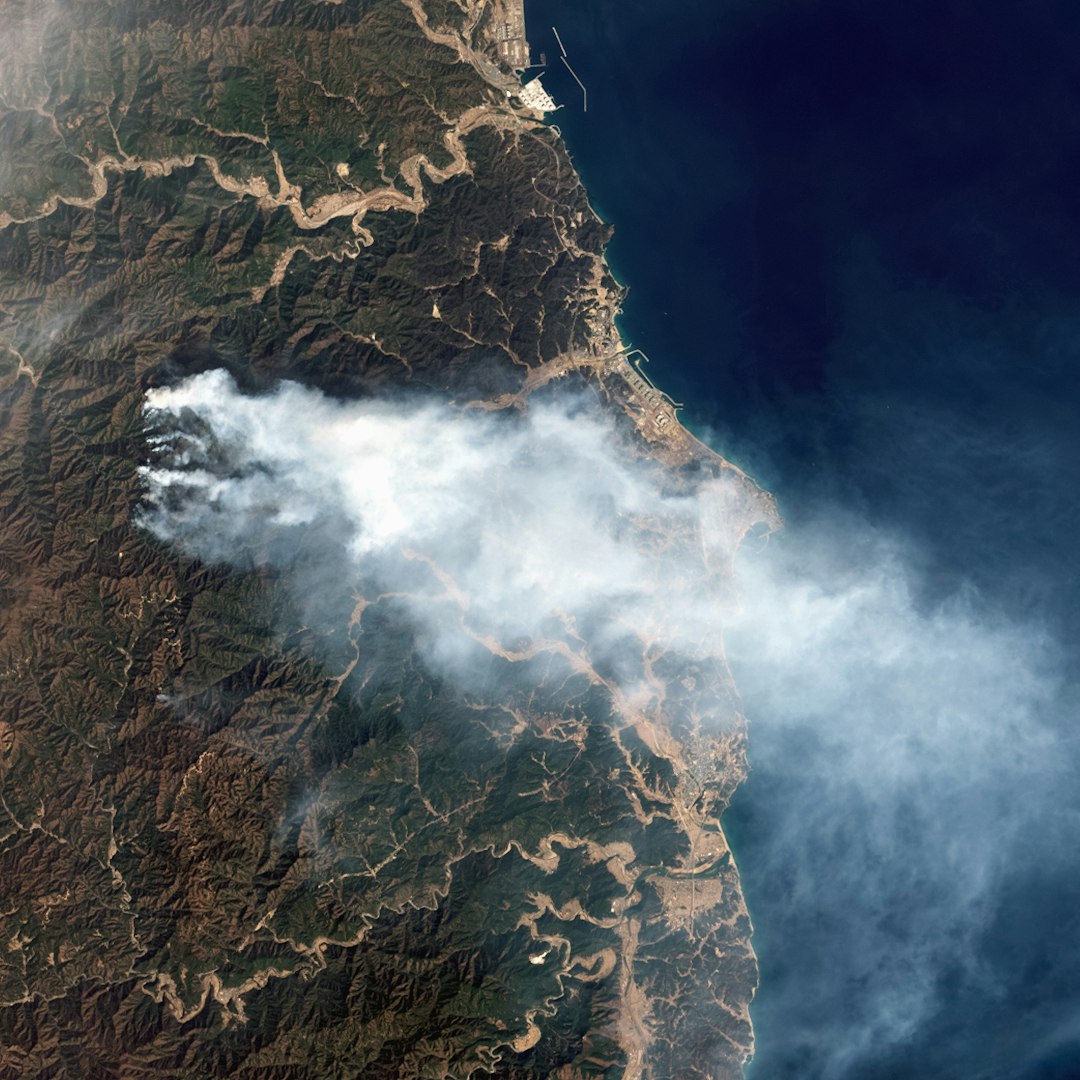


The Eaton Fire Ignites Panic (Image Credits: Unsplash)
Smoke hung thick over the Altadena foothills as flames raced through dry brush, turning a quiet morning into a frantic scramble for safety.
The Eaton Fire Ignites Panic
Picture this: a spark in the rugged terrain near Altadena suddenly erupts into a roaring blaze, forcing hundreds to flee their homes. The Eaton fire, which broke out recently, caught everyone off guard with its speed and ferocity. Ground crews battled on foot, but thick smoke and gusty winds made it impossible for aircraft to take off and provide that crucial overhead view.
Without eyes in the sky, responders relied on ground reports alone, leading to delayed decisions. This wasn’t just any fire; it was a test of modern firefighting tools, and one key resource stayed on the sidelines. Experts later pointed out how a simple oversight amplified the risks for evacuees.
A Federal Tool Gathering Dust
Here’s the surprising twist: the U.S. government has a ready-made system using military satellites to pinpoint wildfire hotspots in real time. Known for its precision, this program beams down data that shows fire perimeters and growth patterns almost instantly. Other agencies, like those in neighboring states, swear by it during high-risk operations.
Yet, during the Eaton fire, the Los Angeles County Fire Department passed on this intelligence. Availability wasn’t the issue; integration into their workflow was. This gap left them operating in the dark, especially when planes couldn’t scout ahead.
Why Aircraft Grounding Hit So Hard
When winds whip up and visibility drops, helicopters and planes become useless for aerial mapping. That’s exactly what happened in Eaton, where low clouds and turbulence kept aircraft on the tarmac. Traditional methods, like driving scouts through hazardous terrain, just couldn’t keep pace with the fire’s spread.
Satellites step in here as a game-changer, offering cloud-piercing views that no drone or truck can match. They detect heat signatures miles away, updating maps every few minutes. Still, L.A. County’s team stuck to familiar protocols, missing out on this edge.
Experts Weigh In on the Missed Opportunity
Fire safety specialists can’t believe the tool went unused. One veteran incident commander noted that satellite data could have flagged shifting winds earlier, potentially speeding up evacuation orders. In a region prone to these blazes, every minute counts for residents packing up pets and valuables.
The fallout? Some neighborhoods got warnings too late, leading to closer calls than necessary. While no lives were lost directly from this, the close shaves underscored a broader vulnerability. Agencies elsewhere integrate this tech seamlessly, turning potential disasters into managed events.
Breaking Down the Satellite System’s Perks
This federal program isn’t some sci-fi gadget; it’s battle-tested from military ops now repurposed for civilian use. It pulls from a network of orbiting sensors that spot infrared heat blooms invisible to the naked eye.
- Real-time updates every 15 minutes, far quicker than manual reports.
- Covers vast areas, ideal for sprawling urban-wildland interfaces like Altadena.
- Integrates with existing maps, no need for fancy new software.
- Proven in past fires, reducing response times by up to 30% in similar scenarios.
- Free for eligible agencies, with training available through federal channels.
Simple adoption could mean fewer surprises next time a fire jumps a ridge.
Path Forward for L.A. County Firefighting
Moving ahead, calls are growing for L.A. County to plug this hole in their toolkit. Partnerships with federal coordinators could make satellite feeds standard, especially for wind-prone events. Budget tweaks and joint drills might bridge the gap without overhauling everything.
Residents deserve that reassurance, knowing tech is on their side. The Eaton fire serves as a stark reminder: in the age of satellites, going old-school isn’t just outdated, it’s risky.
Key Takeaways
- Satellite tracking shines when air ops are grounded, offering clear fire intel.
- L.A. County’s non-use during Eaton highlighted integration challenges.
- Adopting this could sharpen evacuations and save resources in future blazes.
As wildfires grow more unpredictable in California, embracing every available tool feels essential for protecting communities. What steps do you think local agencies should take next? Share your thoughts in the comments.