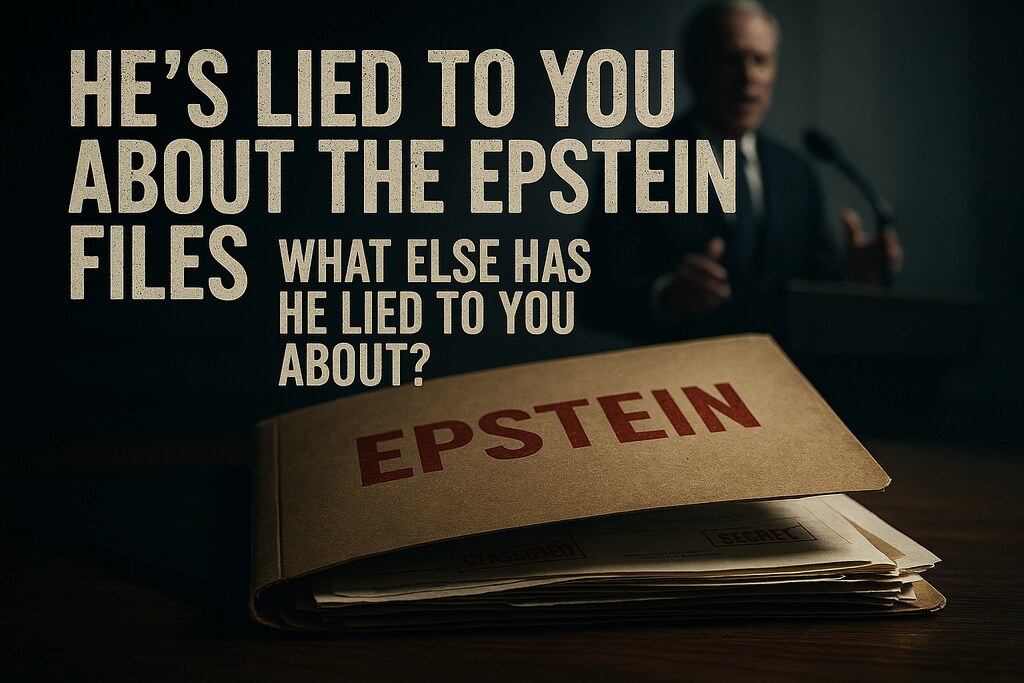


A Rapid Release Followed by Unexplained Removals (Image Credits: Flickr)
The U.S. Justice Department faced scrutiny after more than a dozen files related to Jeffrey Epstein abruptly disappeared from its public website just hours after their initial release.
A Rapid Release Followed by Unexplained Removals
The files in question formed part of a larger trove of Epstein-related records that the Justice Department made available online on December 20, 2025. This action came in response to a new law signed by President Donald Trump, which mandated the disclosure of previously withheld materials. Observers noted the initial excitement among journalists and the public, as the documents promised fresh insights into the late financier’s activities and connections.
By the following day, however, at least 16 files had vanished without any official notice or explanation. An analysis by NPR revealed that these included a notable photograph featuring President Trump alongside Epstein. The removals occurred so quickly that many who accessed the site early on December 20 captured screenshots, preserving evidence of the now-missing content. This sequence of events left many questioning the reliability of the government’s online archives.
Contents of the Disappeared Files
Among the vanished documents were photographs, legal records, and other materials tied to Epstein’s investigations. The Trump photo, in particular, depicted a social setting from years earlier, adding fuel to ongoing discussions about high-profile associations. Other files reportedly contained redacted references to individuals and events central to Epstein’s sex trafficking case.
The Justice Department had released thousands of pages overall, including hundreds of images, but withheld others to protect victim privacy. The sudden pullback of specific items highlighted the challenges in balancing transparency with sensitivity. No details emerged on why these particular files were targeted for removal, though speculation centered on potential errors in redaction or classification.
Public and Media Backlash
News outlets quickly picked up on the disappearances, with reports from PBS News and CBS News detailing the scope of the issue. Social media platforms buzzed with reactions, as users shared archived versions of the files and demanded accountability. Lawmakers and advocacy groups called for immediate clarification, emphasizing the importance of public access to such records.
The incident echoed past controversies surrounding Epstein’s case, where incomplete disclosures had eroded trust. For instance, earlier releases in September 2025 by the House Oversight Committee had already drawn attention to gaps in the available information. This latest development amplified concerns that full transparency remained elusive.
- Initial release included thousands of documents and images under a Trump-signed law.
- At least 16 files, including a Trump-Epstein photo, disappeared within 24 hours.
- No government explanation provided, prompting media investigations.
- Broader trove still accessible, but some materials withheld for privacy reasons.
- Public demands for answers grew via social media and news coverage.
Implications for Future Disclosures
The Justice Department continued to release additional Epstein files even as the removals occurred, suggesting the process was ongoing. Officials indicated that more documents would follow, but the episode underscored vulnerabilities in digital archiving. Experts pointed out that such platforms require robust safeguards to prevent unintended deletions or alterations.
In the context of Epstein’s case, which involved convictions for sex trafficking and connections to influential figures, these events reignited debates over accountability. The 2019 death of Epstein in custody had already fueled conspiracy theories, and this mishap risked further skepticism. As of December 21, 2025, the department had not responded to inquiries about the missing files.
Key Takeaways
- The disappearances highlight the need for better protocols in handling sensitive public records.
- Preserved screenshots by early viewers ensure some information survives online.
- Ongoing releases may address gaps, but trust in the process depends on clear communication.
As the Epstein saga continues to unfold, this incident serves as a reminder of the delicate balance between disclosure and protection in high-stakes investigations. The full story may yet emerge through persistent reporting and legal pressures. What aspects of these developments concern you most? Share your thoughts in the comments below.