

A Long-Awaited but Incomplete Unveiling (Image Credits: Flickr)
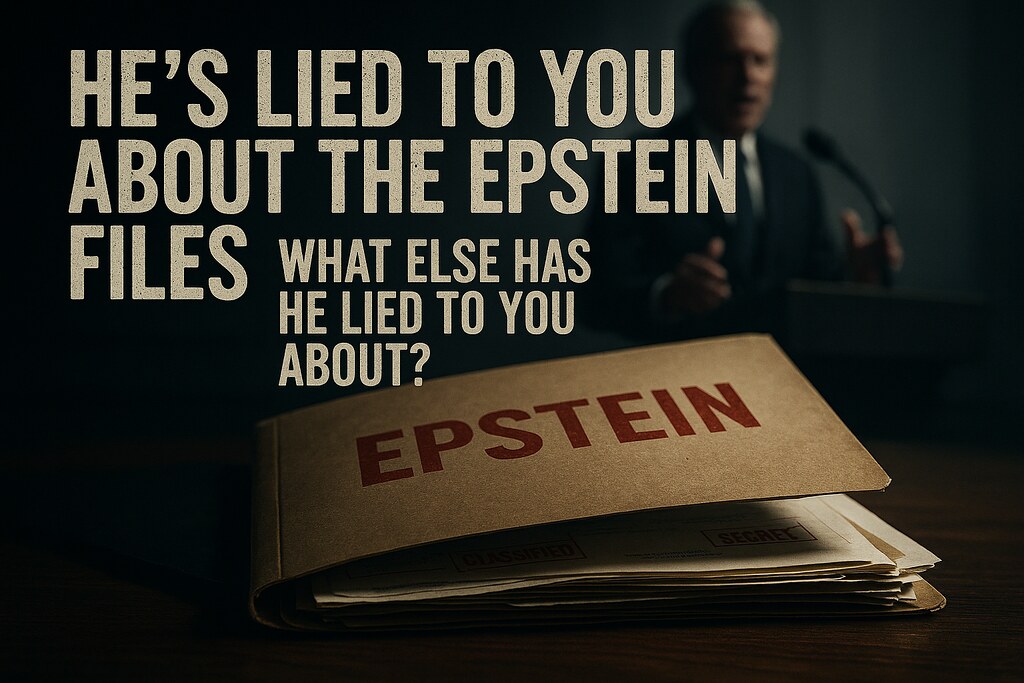
The U.S. Department of Justice recently disclosed an initial batch of documents related to Jeffrey Epstein’s case, reigniting discussions about accountability and victim support.
A Long-Awaited but Incomplete Unveiling
Lawmakers from both parties had pressed for years to bring these files into the public eye. The effort culminated in the passage of the Epstein Files Transparency Act, spearheaded by Representatives Ro Khanna and Thomas Massie. Their discharge petition overcame initial resistance from House leadership, including Speaker Mike Johnson, and even former President Donald Trump, who had sought to delay the process.
The released materials included thousands of pages, photographs, and records from the federal investigation into Epstein’s activities. Yet, the disclosure fell short of expectations. CBS News reported that more than 500 pages arrived entirely blacked out, shielding potentially crucial details from view. This partial transparency left many questioning the government’s commitment to full disclosure.
Survivors Express Skepticism and Disappointment
Those directly affected by Epstein’s crimes voiced a mix of hope and frustration following the announcement. Rina Oh, one of Epstein’s survivors, described the release as disappointing during an interview with CBC News. She noted that while some elements validated victims’ accounts, the heavy redactions and limited scope failed to deliver true justice.
Other survivors echoed similar sentiments. They highlighted concerns over privacy invasions, with journalists attempting to uncover unredacted images despite the sensitivity of the content. BBC coverage captured the nervousness among this community, as many feared the documents might expose them further without providing the closure they sought. Lawmakers who championed the bill criticized the initial tranche as insufficient, urging faster action on the remaining files.
High-Profile Names Emerge Amid the Documents
The files shed light on Epstein’s extensive network, naming several prominent individuals. Former President Bill Clinton appeared frequently in the initial release, according to CBC and BBC reports. References also surfaced to figures like Michael Jackson, though no new allegations of wrongdoing emerged against them in this batch.
PBS News provided access to select photos and documents, illustrating Epstein’s connections across elite circles. The materials stemmed from a yearlong bipartisan campaign, underscoring the case’s enduring impact on public discourse. Still, the absence of comprehensive details fueled speculation and calls for unfiltered access.
Political Tensions and Victim Advocacy
The White House defended the administration’s approach, claiming it represented unprecedented transparency and support for victims. Spokespeople contrasted this with past Democratic efforts, positioning the release as a step forward. However, critics from both sides of the aisle dismissed such assertions, pointing to the redactions as evidence of ongoing obstruction.
Victim advocates, including survivors who testified in related proceedings, emphasized the need for complete records to aid healing and prevention. Posts on X reflected widespread public sentiment, with users amplifying survivor stories and demanding accountability for enablers. This groundswell highlighted the files’ role in broader conversations about power and exploitation.
- Thousands of pages released, but hundreds fully redacted.
- Names like Bill Clinton and Michael Jackson mentioned, without new charges.
- Bipartisan legislation overcame delays to force the disclosure.
- Survivors prioritize privacy and full justice over partial glimpses.
- Ongoing criticism from lawmakers pushes for additional tranches.
Key Takeaways
- The initial release validates some survivor testimonies but leaves major gaps.
- Redactions protect sources yet hinder comprehensive understanding.
- Political resistance delayed the process, testing commitments to transparency.
As the Epstein saga continues to unfold, the partial file release serves as a reminder of the long road to justice for survivors. Full disclosure could reshape narratives around influence and abuse, offering vital lessons for the future. What aspects of this development concern you most? Share your thoughts in the comments below.