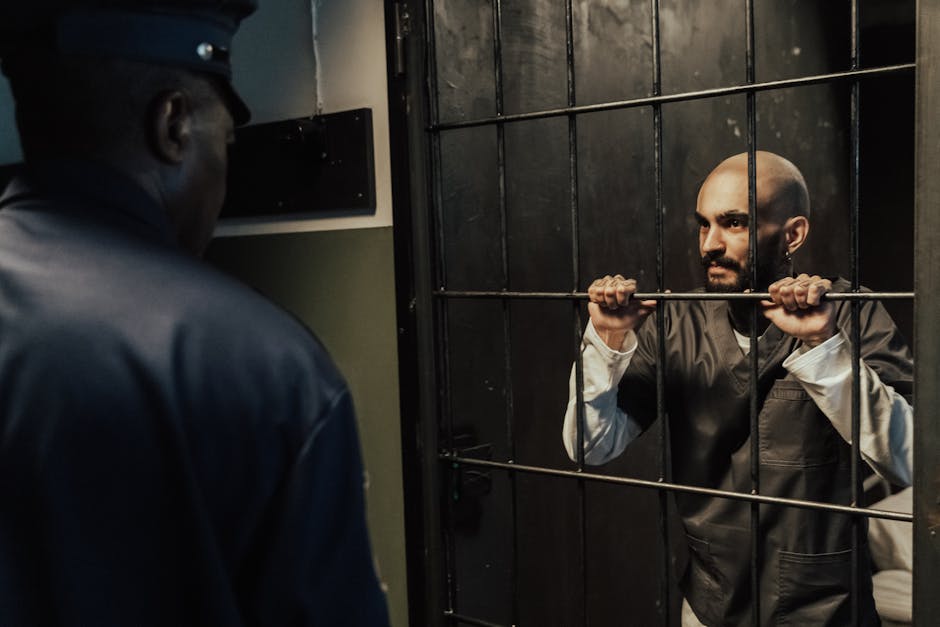
Evin Prison Emerges as a Flashpoint (Image Credits: Pexels)
Intensifying military strikes by the United States and Israel on Iran have cast a dark shadow over the fates of several detained U.S. citizens languishing in the country’s notorious prisons.[1][2]
Evin Prison Emerges as a Flashpoint
The infamous Evin Prison in Tehran, long a symbol of Iran’s repressive apparatus, now stands at the epicenter of heightened anxieties. Israeli forces issued evacuation warnings for the surrounding neighborhood, signaling potential airstrikes that could imperil those inside.[1] The facility suffered damage during a prior 12-day conflict between Israel and Iran in June 2025, underscoring its vulnerability as a military target.
Advocates warn that the chaos of war amplifies risks for foreign detainees. Guards reportedly abandoned some posts at the onset of hostilities, while political prisoners faced transfers to other sites like Qom Central Prison. Explosions rocked the area, shattering windows and filling cells with dread reminiscent of a deadly 2022 fire that claimed at least eight lives.[2]
American Detainees Trapped in Limbo
At least four U.S. nationals, with estimates reaching six, remain confined in Iran despite ongoing hostilities. The James W. Foley Legacy Foundation described their predicament as one of “unprecedented danger.”[3]
Key individuals include:
- Reza Valizadeh, a 49-year-old journalist who gained U.S. citizenship in 2022 after working for Radio Farda. Authorities arrested him in 2024 during a family visit and sentenced him to 10 years for alleged collaboration with a hostile government. He suffers from asthma but has been denied medication.[1]
- Kamran Hekmati, a 61-year-old Jewish Iranian-American from New York who owns a jewelry business. Detained in 2025 while visiting relatives, he faces charges tied to a trip to Israel 13 years earlier, plus espionage accusations. Bladder cancer complicates his health amid inadequate care.[2]
- Afarin Mohajer, a California resident charged with posting propaganda critical of the regime.[3]
Two others, including a Washington-based reporter and another Jewish Iranian-American, await confirmation of their statuses.
Voices of Desperation from Families and Experts
Families expressed terror over potential collateral damage or reprisals. “It’s an uncertain time in an uncertain country,” said Shohreh Nowfar, cousin of Hekmati.[2] Lawyers like Ryan Fayhee, representing Valizadeh, highlighted the detainees’ helplessness: “He must be feeling very helpless right now.”[1]
Former detainee Siamak Namazi, released in 2023 after nearly eight years, captured the horror: “For Americans imprisoned in Iran, this is about as terrifying a moment as it gets.”[2] Kieran Ramsey of Global Reach raised alarms about anti-Jewish bullying and guard retaliation, noting Hekmati’s dual vulnerabilities.
U.S. Response and Stalled Diplomacy
The Trump administration moved decisively before the strikes, with Secretary of State Marco Rubio designating Iran as the first “state sponsor of wrongful detention.” White House spokesperson Anna Kelly affirmed: “President Trump has been clear that he wants every American wrongfully detained to be returned home safe and sound.”[1]
Negotiations faltered as bombs fell. Envoys had floated names like Valizadeh and Hekmati for release, but conflict silenced channels. The State Department urged immediate consular access and freedom for all detainees.
Key Takeaways
- Six Americans face acute threats in Evin Prison from strikes and reprisals.
- Medical neglect endangers detainees with chronic conditions.
- Hostage diplomacy persists despite U.S. designations and calls for action.
As the war grinds on, the plight of these forgotten Americans underscores the human cost of geopolitical strife. Their release could signal de-escalation, yet time grows short. What steps should the international community take next? Share your thoughts in the comments.