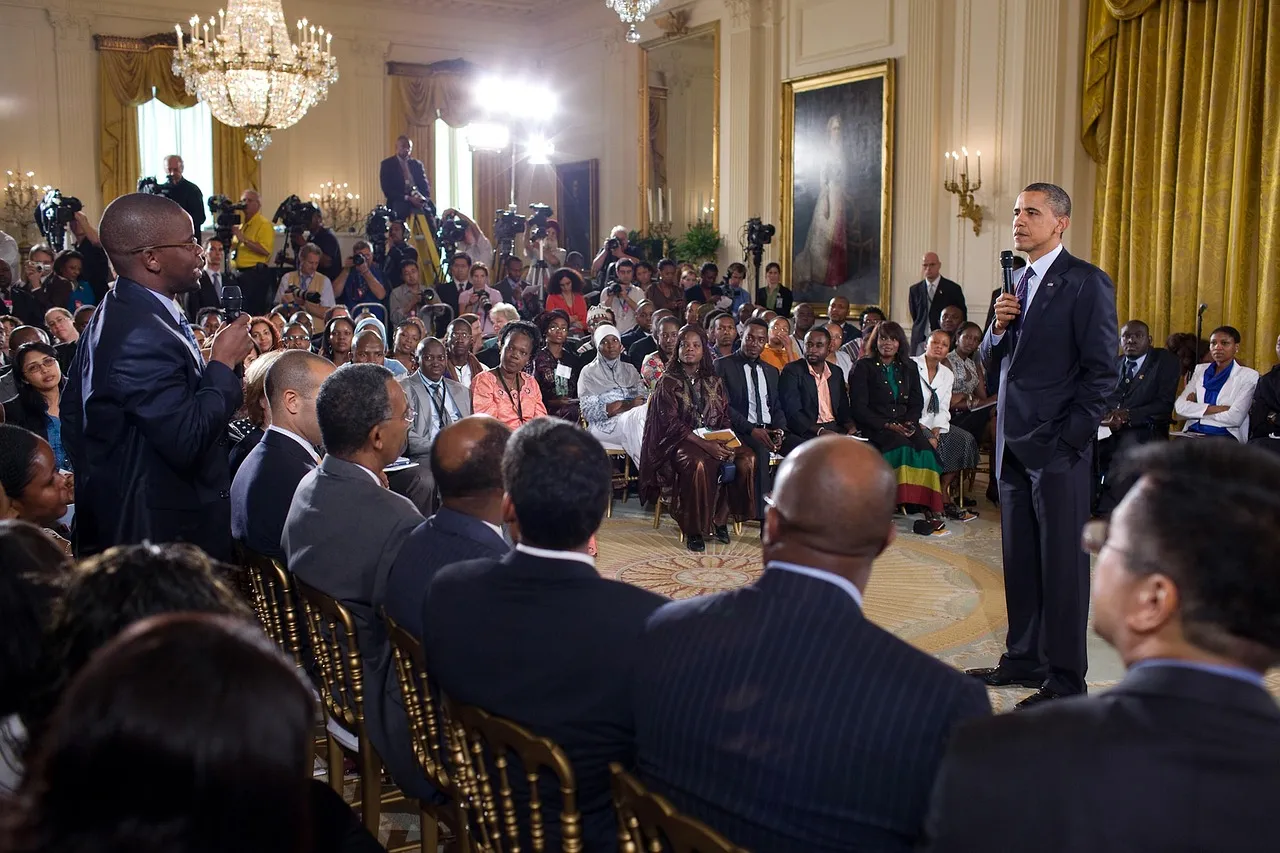
Leaders Rally for Self-Reliance (Image Credits: Pixabay)
European leaders intensified debates over independence from U.S. influence at the Munich Security Conference this month, prompting sharp critiques that expose a gap between words and action.[1][2]
Leaders Rally for Self-Reliance
European Commission President Ursula von der Leyen declared that a line had been crossed in transatlantic relations, urging the continent to become more independent in security matters. French President Emmanuel Macron echoed this sentiment, advocating strategic autonomy across defense, energy, and technology amid U.S. policies under President Donald Trump.[3][4]
At Munich, German Finance Minister Lars Klingbeil described the moment as a “very European” opportunity to strengthen sovereignty, while High Representative Kaja Kallas rejected claims of Europe’s “civilizational erasure.”[2] These statements followed Trump’s threats over Greenland and tariff pressures, which strained alliances and fueled demands for reduced reliance on American support.
UK Prime Minister Keir Starmer also pushed for closer UK-Europe defense ties to share costs, signaling a broader shift toward continental responsibility.[1]
Skeptics Challenge the Bold Claims
Former UK Prime Minister Boris Johnson dismissed the autonomy talk as bluster in a recent Wall Street Journal op-ed, challenging leaders to prove their resolve. He pointed to decades of unfulfilled promises, such as a European nuclear umbrella, and questioned collaboration plans amid the Ukraine war.[3]
NATO Secretary General Mark Rutte provoked backlash earlier this year by telling Europeans to “keep on dreaming” about security independence without massive spending hikes. French officials, including Foreign Minister Jean-Noël Barrot, countered that Europe must take charge, with Deputy Minister Benjamin Haddad stressing the need to go further on defense.[5]
Johnson highlighted U.S. dominance in NATO – providing 70% of spending and nearly all nuclear deterrence – as evidence that Europe remains dependent.[3] Critics argued such rhetoric risks undermining the alliance without concrete steps.
The Ukraine War as a Litmus Test
Europe’s response to Russia’s invasion of Ukraine has become central to the autonomy debate. Johnson criticized delays in arming Kyiv, such as Germany’s reluctance to supply Taurus missiles over escalation fears, and the failure to unfreeze billions in frozen Russian assets.[3]
Despite becoming Ukraine’s largest donor after U.S. pauses, Europe has formed ad-hoc coalitions for aid, including UK-France-led groups with partners like Australia and Turkey. Yet, Putin continues targeting civilian infrastructure, underscoring the need for bolder measures like impounding Russia’s shadow fleet.[4][3]
- Release frozen assets in Euroclear ($140 billion) and London ($15 billion).
- Arm Ukraine to strike Russian drone factories.
- Deploy European troops to safe Ukrainian areas as a sovereignty signal.
- Boost procurement of heavy-lift and high-tech capabilities.
Emerging Steps and Persistent Hurdles
Germany plans defense spending exceeding the UK and France combined by 2029, while Nordic and Baltic states ramp up budgets. Discussions on extending France’s nuclear umbrella to allies like Germany and Sweden signal potential shifts.[4][1]
Challenges persist, including southern European resistance to hikes, procurement disputes like France-Germany jets, and lags in innovation. Leaders like Chancellor Friedrich Merz called for mending U.S. ties, recognizing solo security guarantees remain out of reach.[2]
Proposals for diversified partnerships and à la carte alliances aim to hedge risks from Russia, China, and a transactional Washington.[4]
Key Takeaways
- Europe’s defense budgets are rising, but U.S. capabilities in nuclear and intelligence remain irreplaceable.
- Rhetoric on autonomy has intensified post-Trump policies, yet Ukraine aid reveals execution gaps.
- Coalitions and procurement reforms offer paths forward, demanding political will.
Europe stands at a crossroads: true autonomy requires painful sacrifices, or leaders must recommit to transatlantic bonds. The coming years will test if words translate to resilience. What do you think Europe’s next move should be? Tell us in the comments.